






Cenisio, Sarpi, Isola
Milan
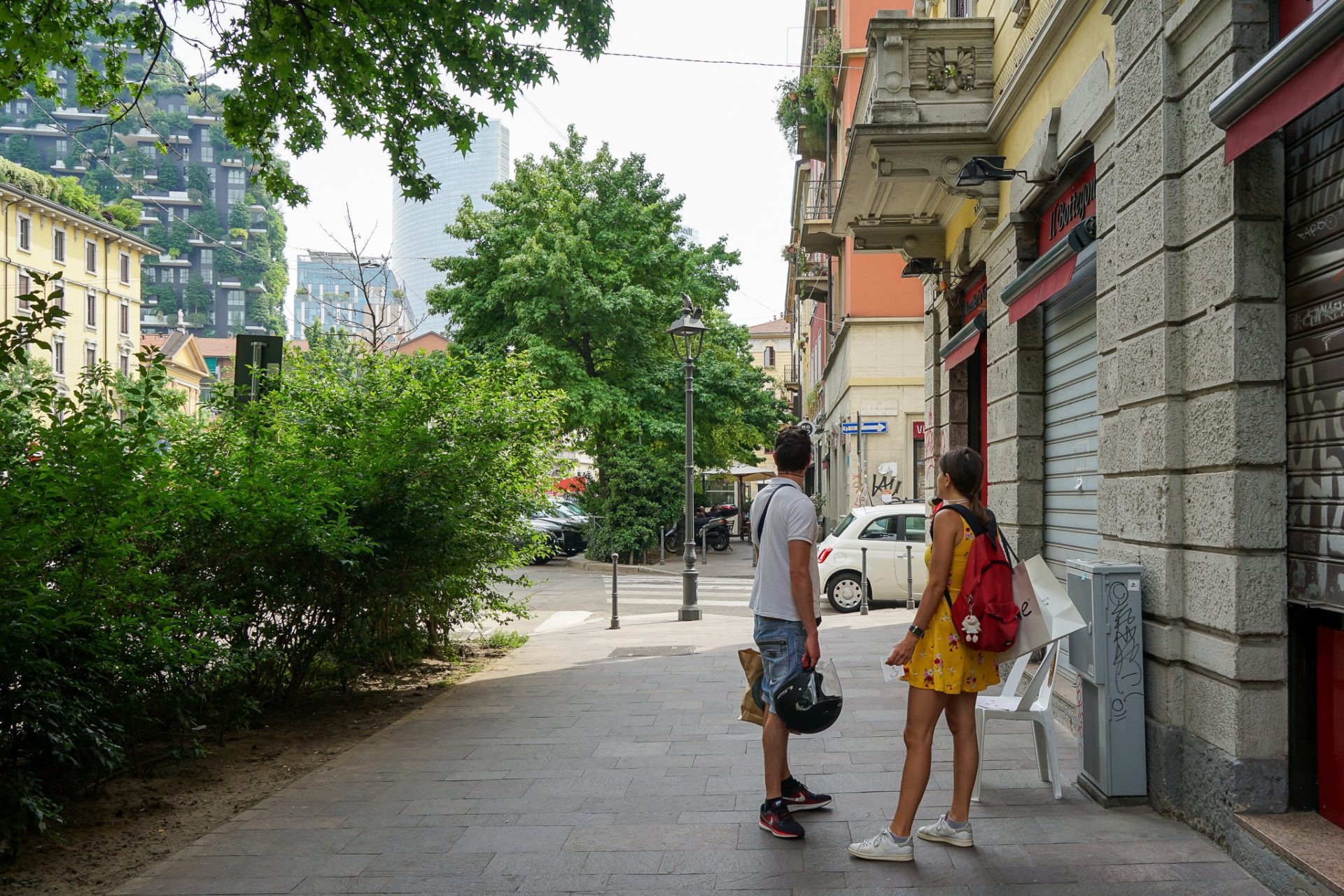
The strategic position in relation to the city centres, the traditional real estate offer with a nineteenth-century structure and the neighbourhood pedestrian access make this area a pleasant place to live in.
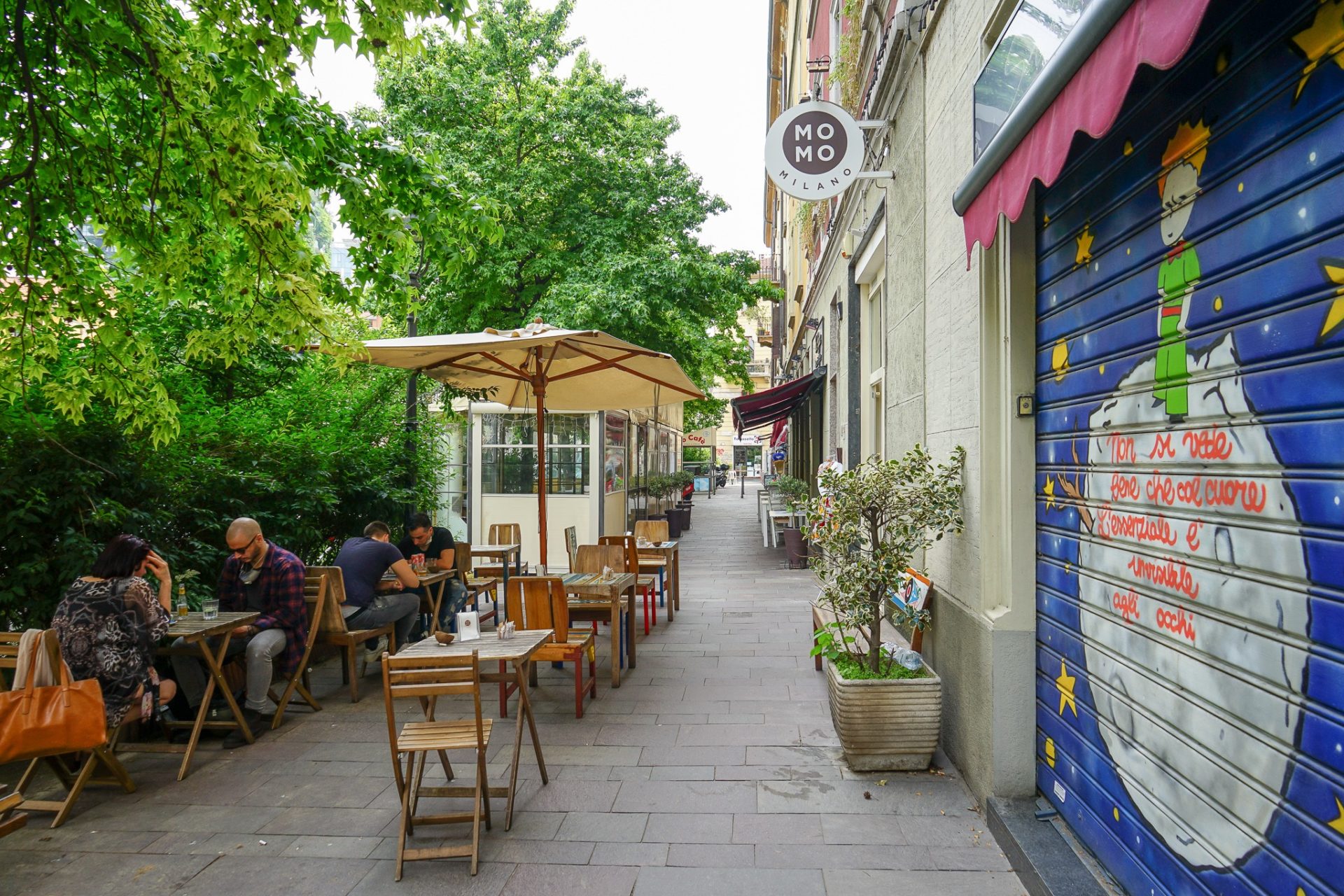
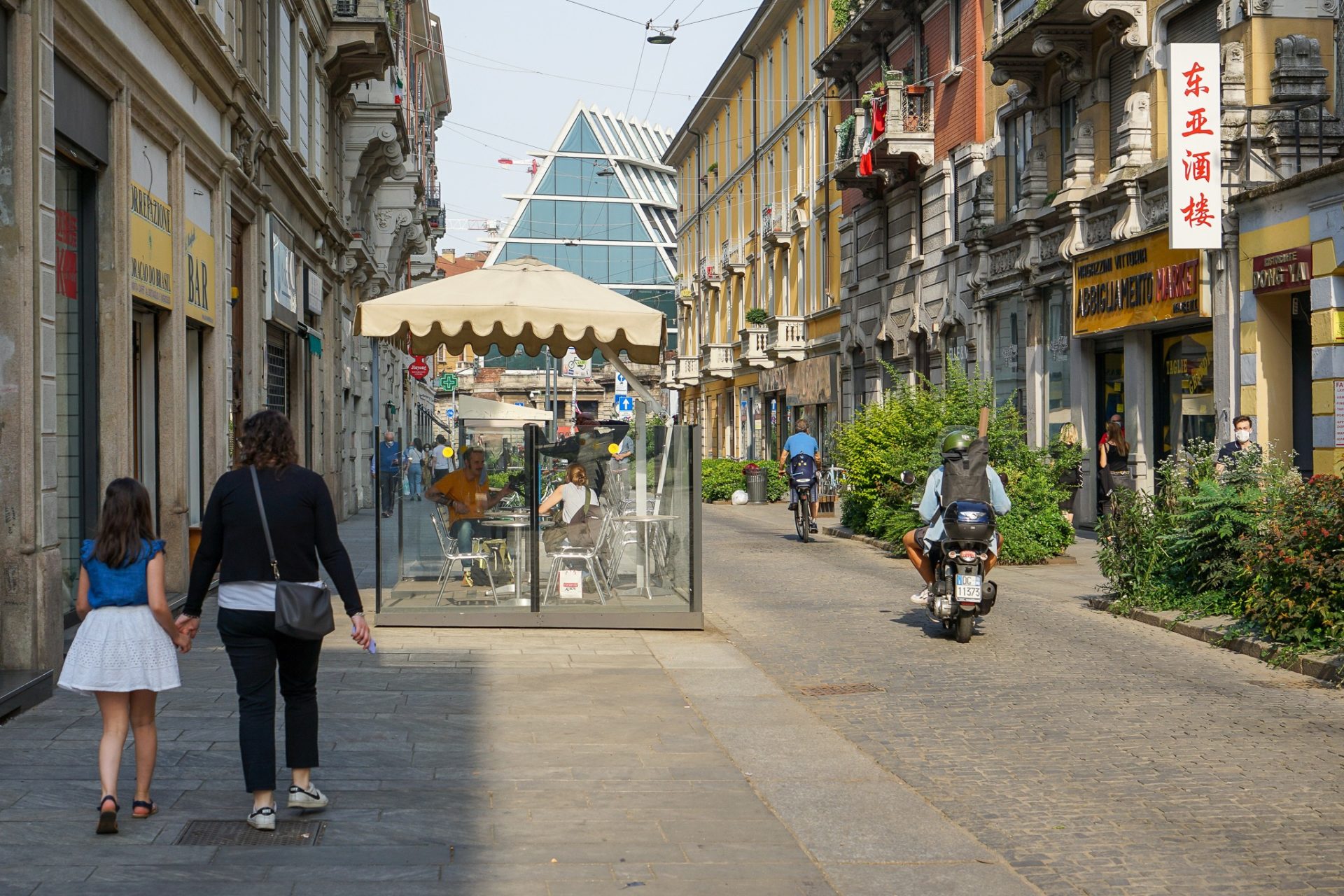
Explore the labyrinth of streets full of stores, craft workshops and art and design galleries, with their refined and original selection. Enjoy the unique, traditional and at the same time young and creative atmosphere thanks to the multi-ethnic street food offer, the colourful local markets and the numerous bars and meeting pubs for young people.
Key Details
What to expect
Lifestyle
What not to expect
Real estate market
You are going to fall in love with
Keywords
Commute times
Duomo: 20 min. by car, 20 min. by public transportation
Castello Sforzesco: 10 min. by car, 12 min. by public transportation
Cadorna Station: 10 min. by car, 15 min. by public transportation
Centrale Station: 10 min. by car, 20 min. by public transportation
Milano Malpensa: 40 min. by car, 1h 20min. by public transportation
Milano Linate: 25 min. by car, 1h by public transportation
Transportations
Closest underground lines
Line 2 (Stops Moscova, Garibaldi)
Line 3 (Stops Zara, Maciachini, Sondrio)
Line 5 (Stops Domodossola, Gerusalemme, Cenisio, Monumentale, Garibaldi, Isola, Marche)
Surface Transport
Well connected to both trams and buses
Railroad Service
Domodossola railway station
Porta Garibaldi railway station (Railroad and Passante Ferroviario)
Highways and freeways
30 min from the A1, 20 min from the A4, 25 min from the A7, 20 min from the A8, 30 min from the East freeway, 30 min from West freeway, 30 min from North freeway
Boundaries
East: Taramelli street, Sondrio avenue
West: Firenze Square, Fauchè street, Lomazzo street, Sempione avenue,
North: Caracciolo street, Jenner avenue, Marche avenue
South: D’Eril street, Alfieri street, Giannone street, Ceresio street, Ferrari street, Castillia street, Melchiorre Gioia street
Neighborhood areas
Affori, Bovisa
Fiera, Sempione, CityLife, Portello
Maggiolina, Istria
Garibaldi, Moscova, Porta Nuova
Centrale, Repubblica
Arco della Pace, Arena, Pagano
A walk through the district
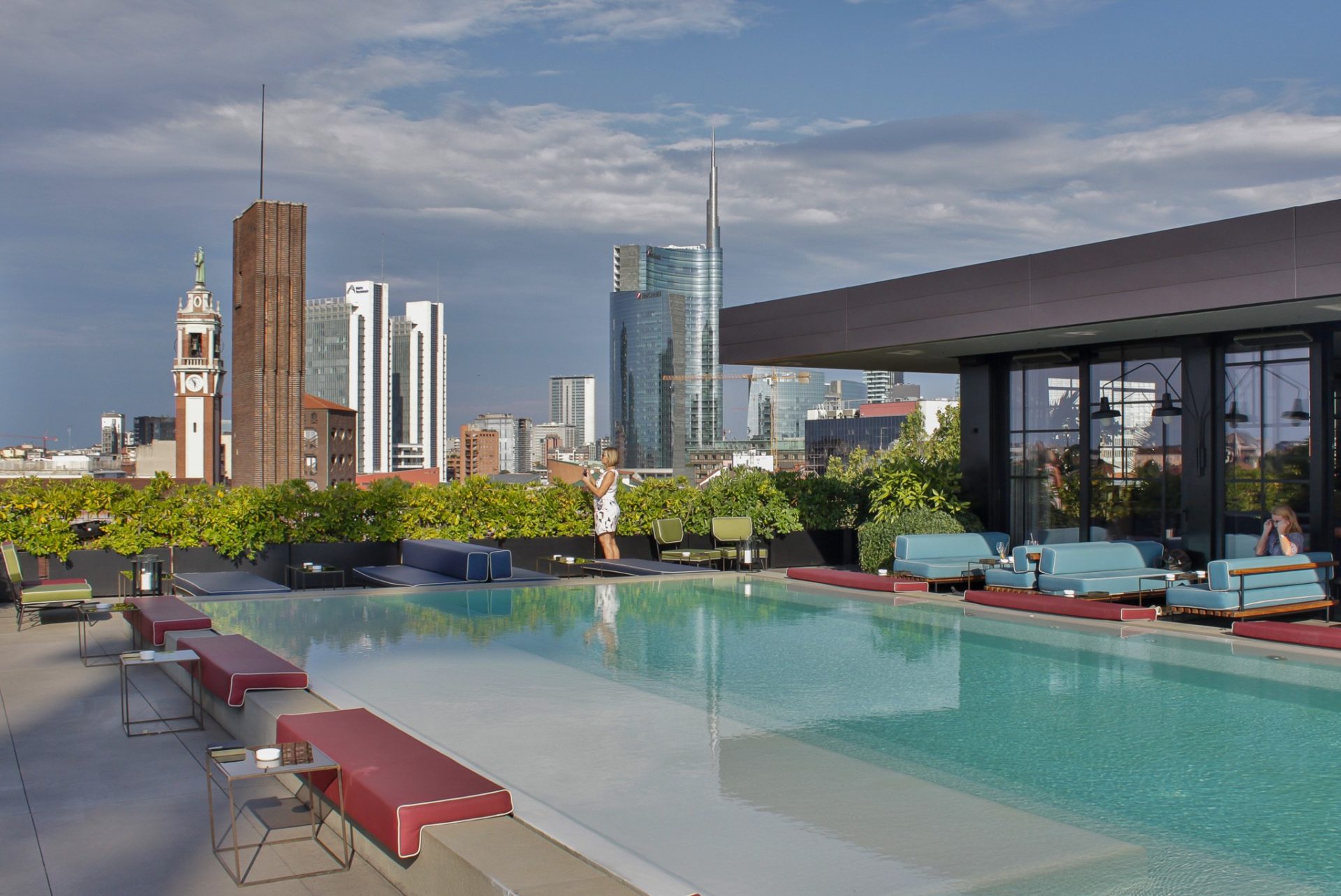
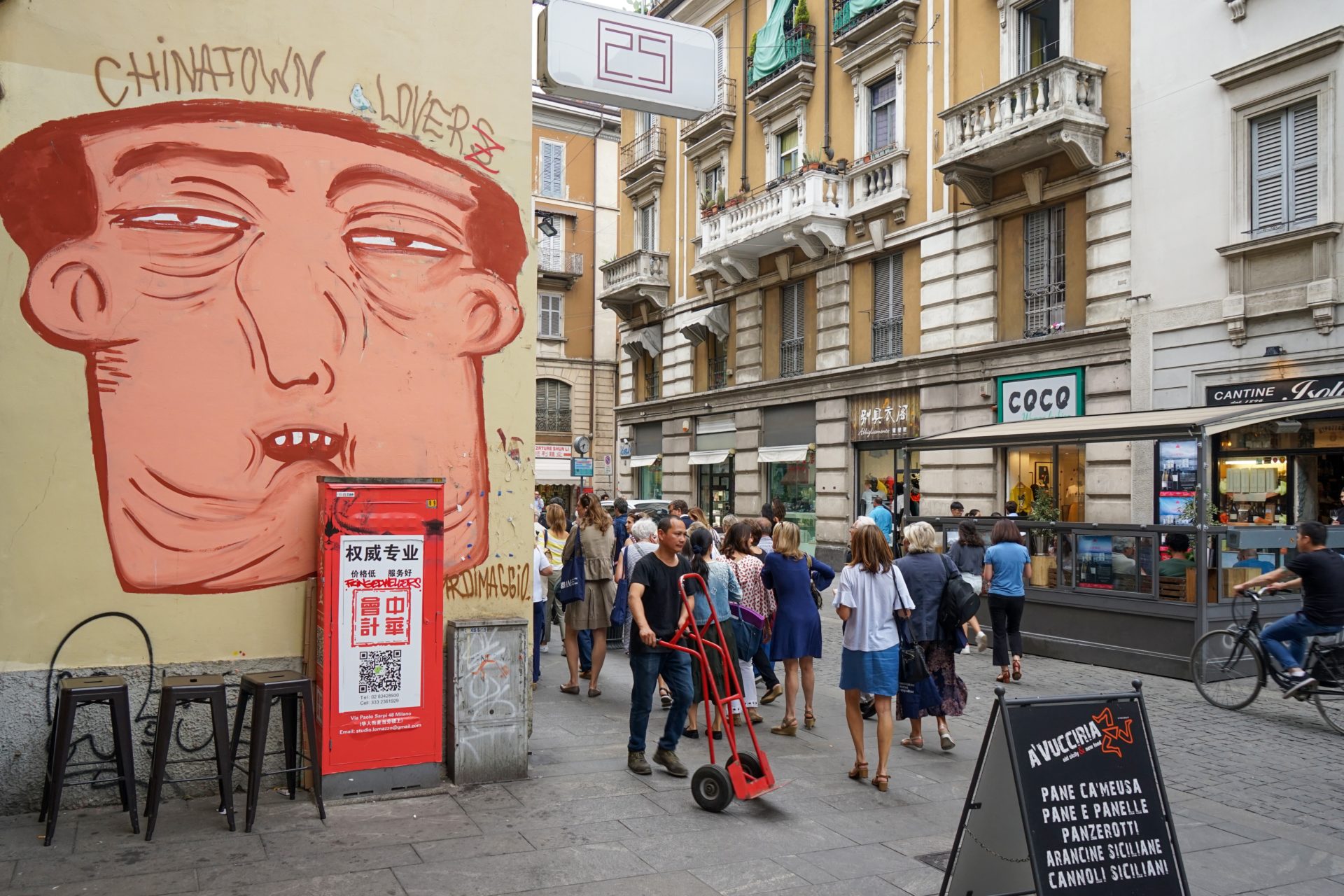
This district consists of three well characterized areas: Sarpi, the Milanese Chinatown, with its frenetic multiethnicity conflated into the Milanese spirit by now; Isola, with its laboring and working-class past, nowadays it is toned down by the recent redevelopments; and Cenisio – or Simonetta – a mainly residential area full of services and conveniences for all the needs.
What to expect
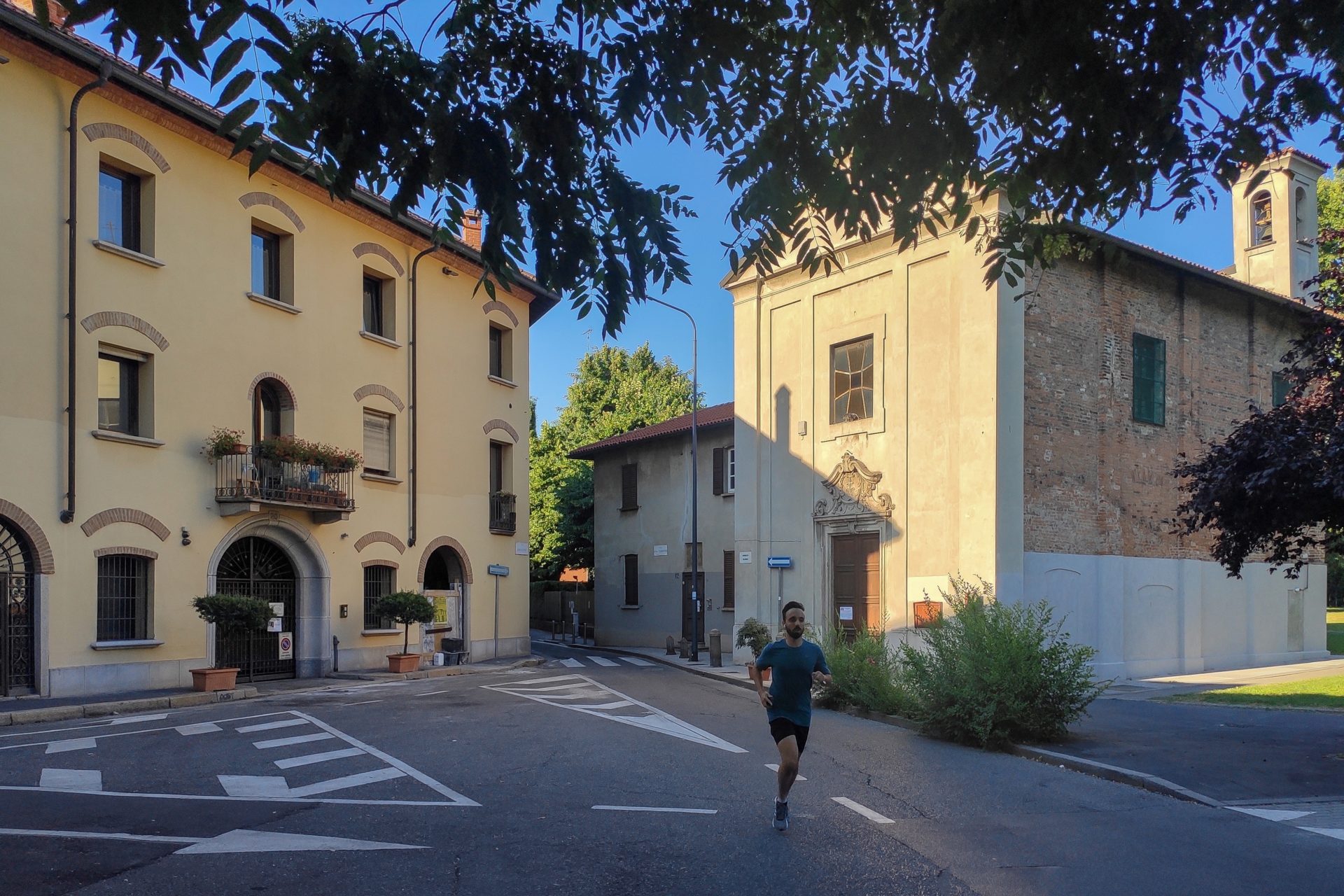
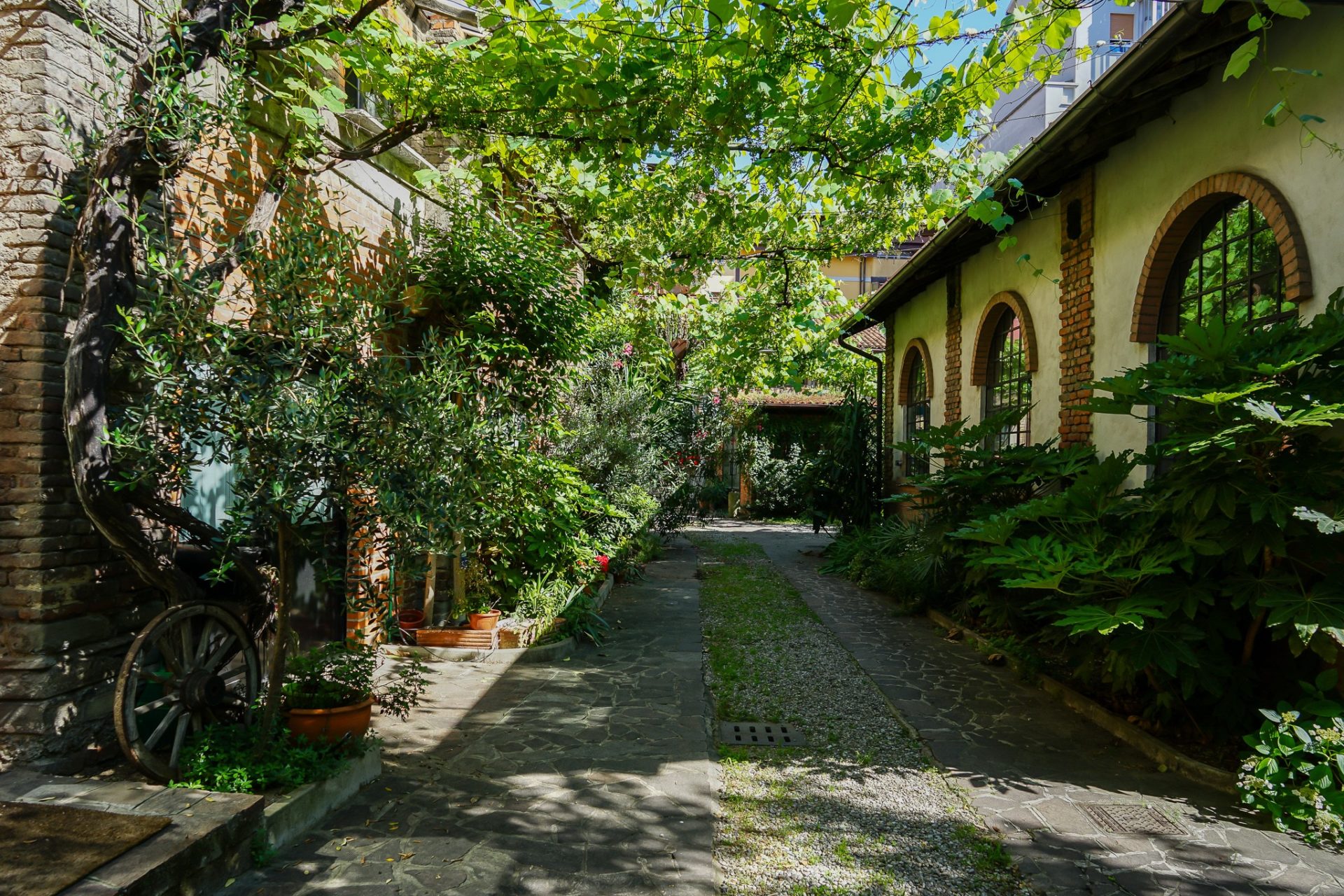
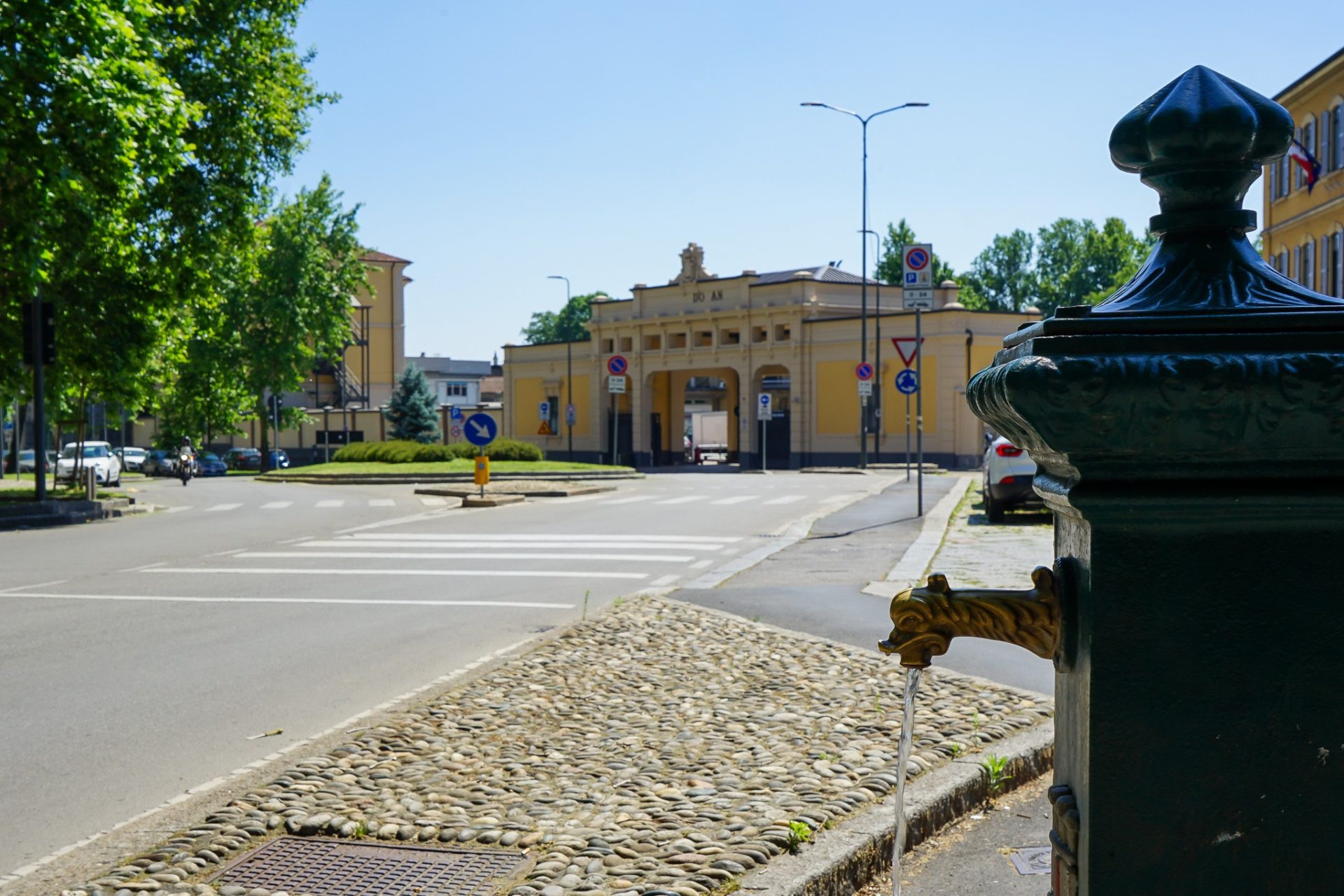
With a trading and productive past, this vast area close to the city centre has an essentially residential hallmark nowadays, also thanks to the good connections to the public transportation.
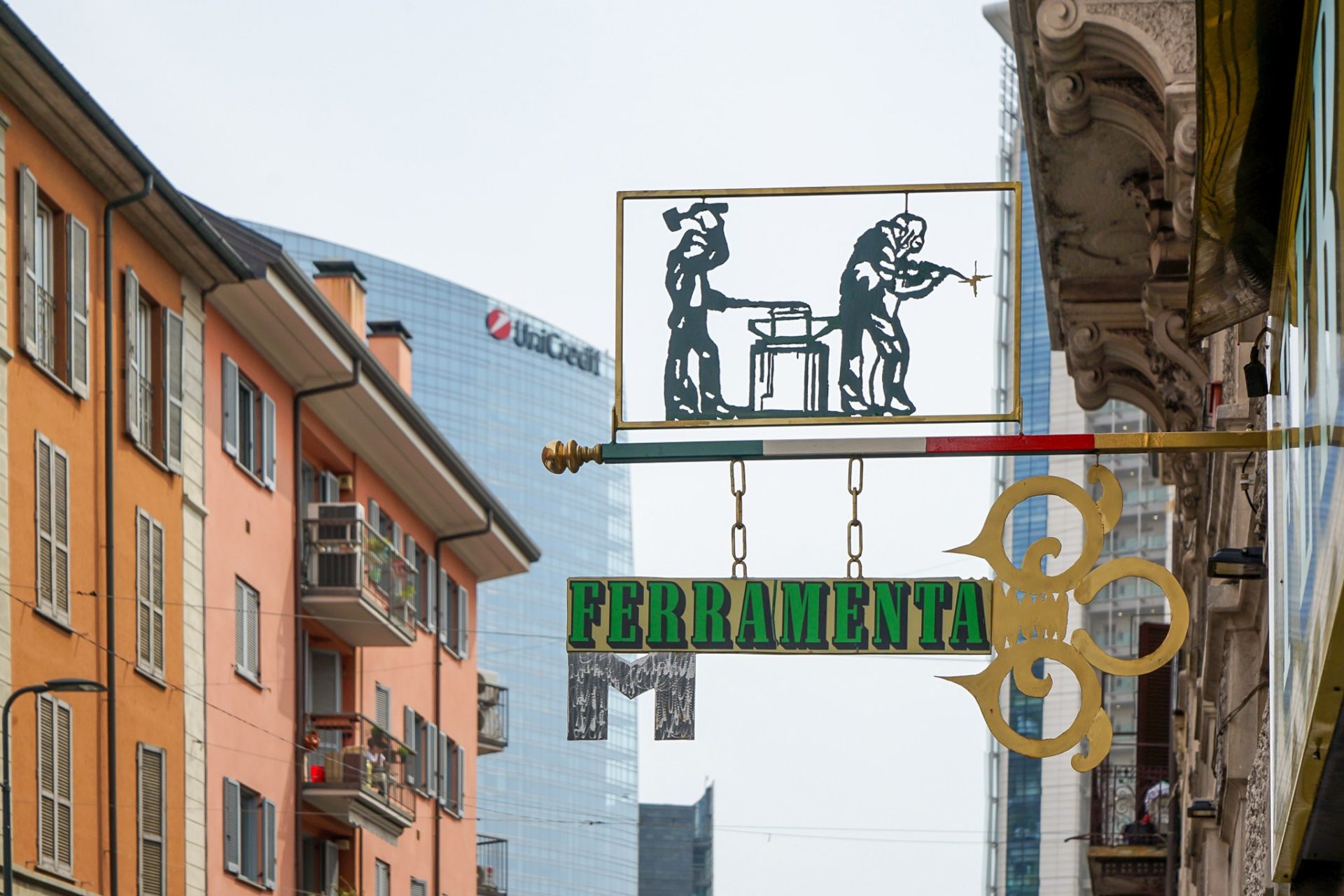
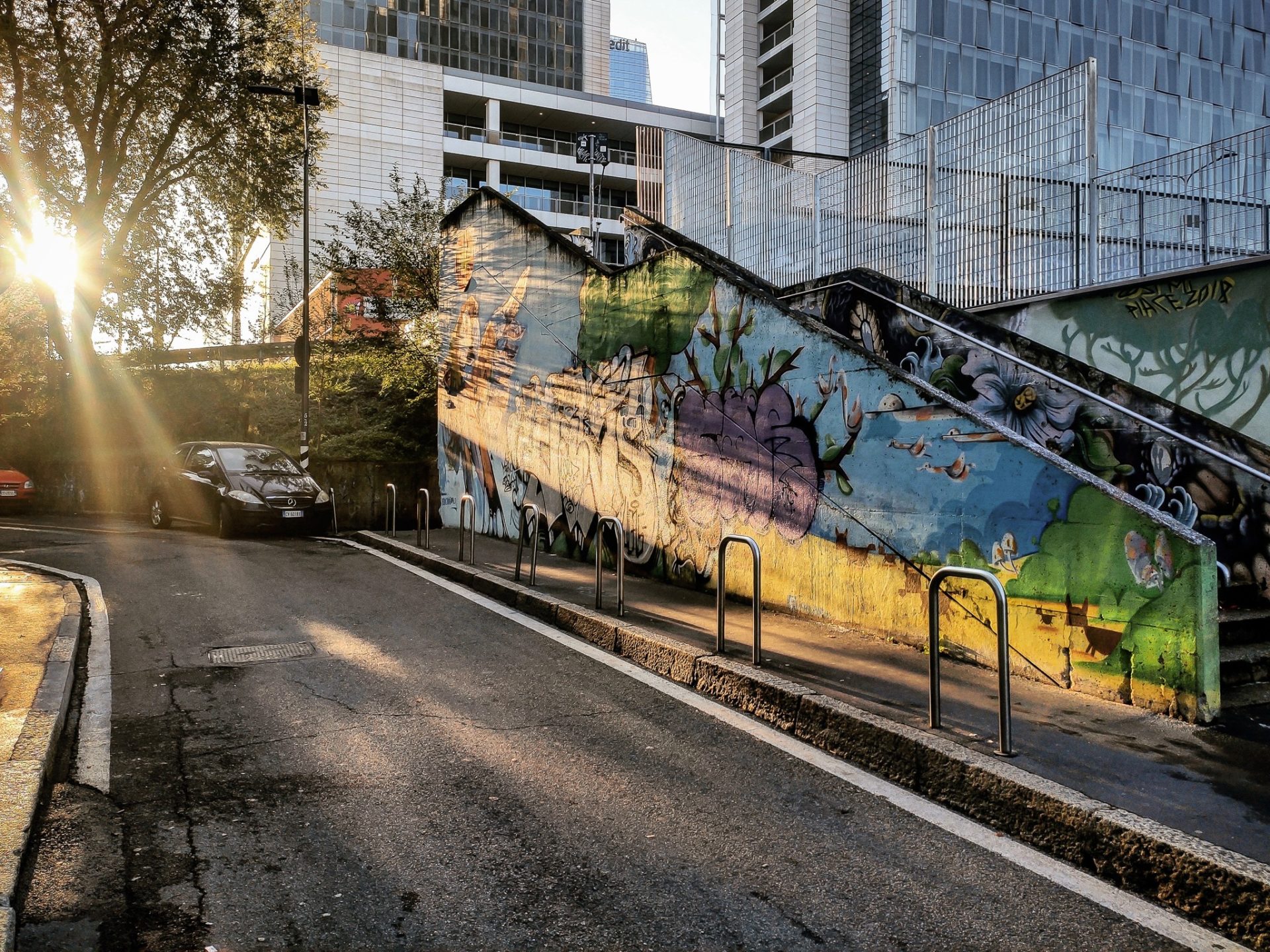
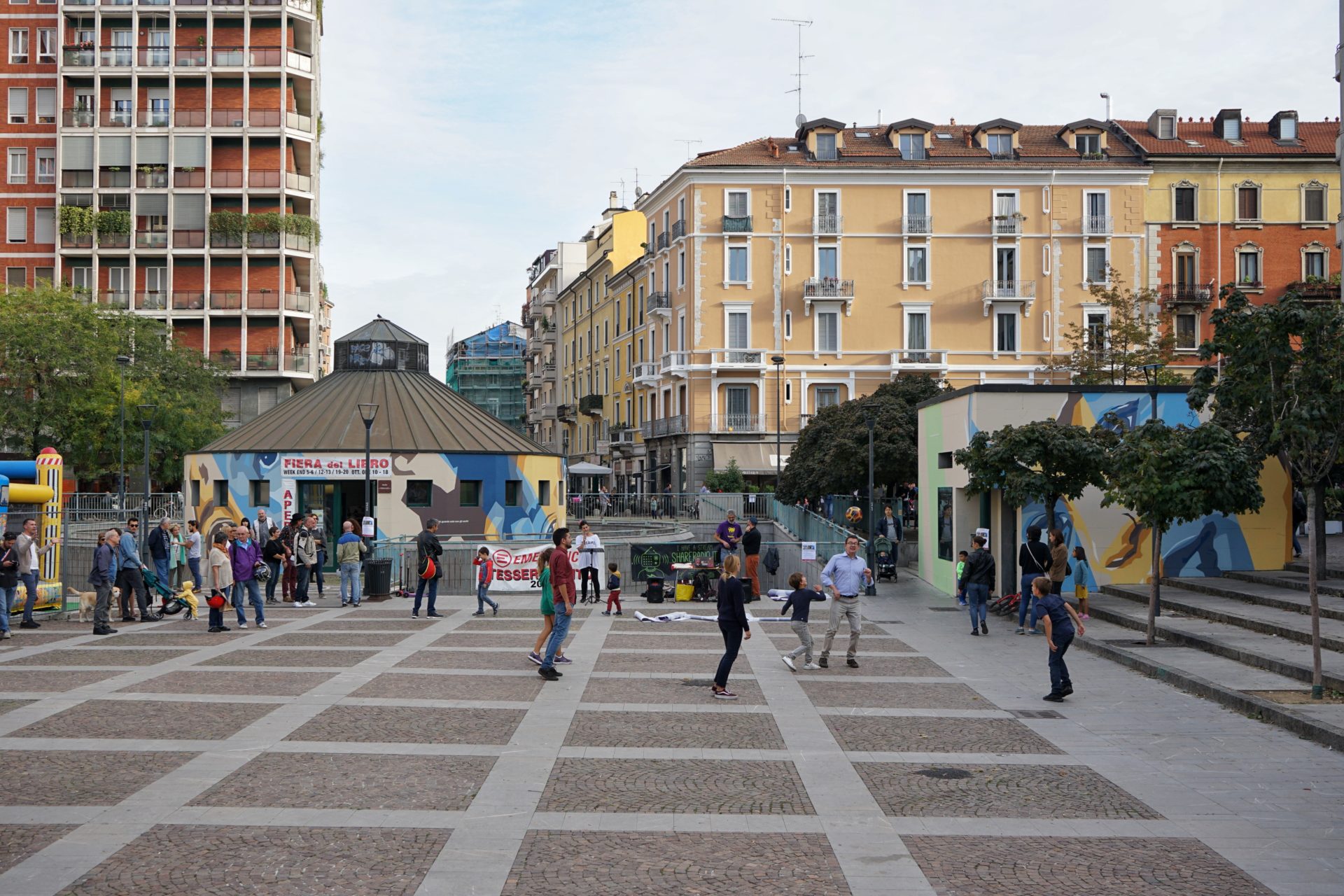
The colorful Sarpi frenzy with its historical and Oriental workshops, the Isola street art and the Cenisio Dèco hallmark offer to residents a different type of life, combining services and any type of convenience.
Lifestyle
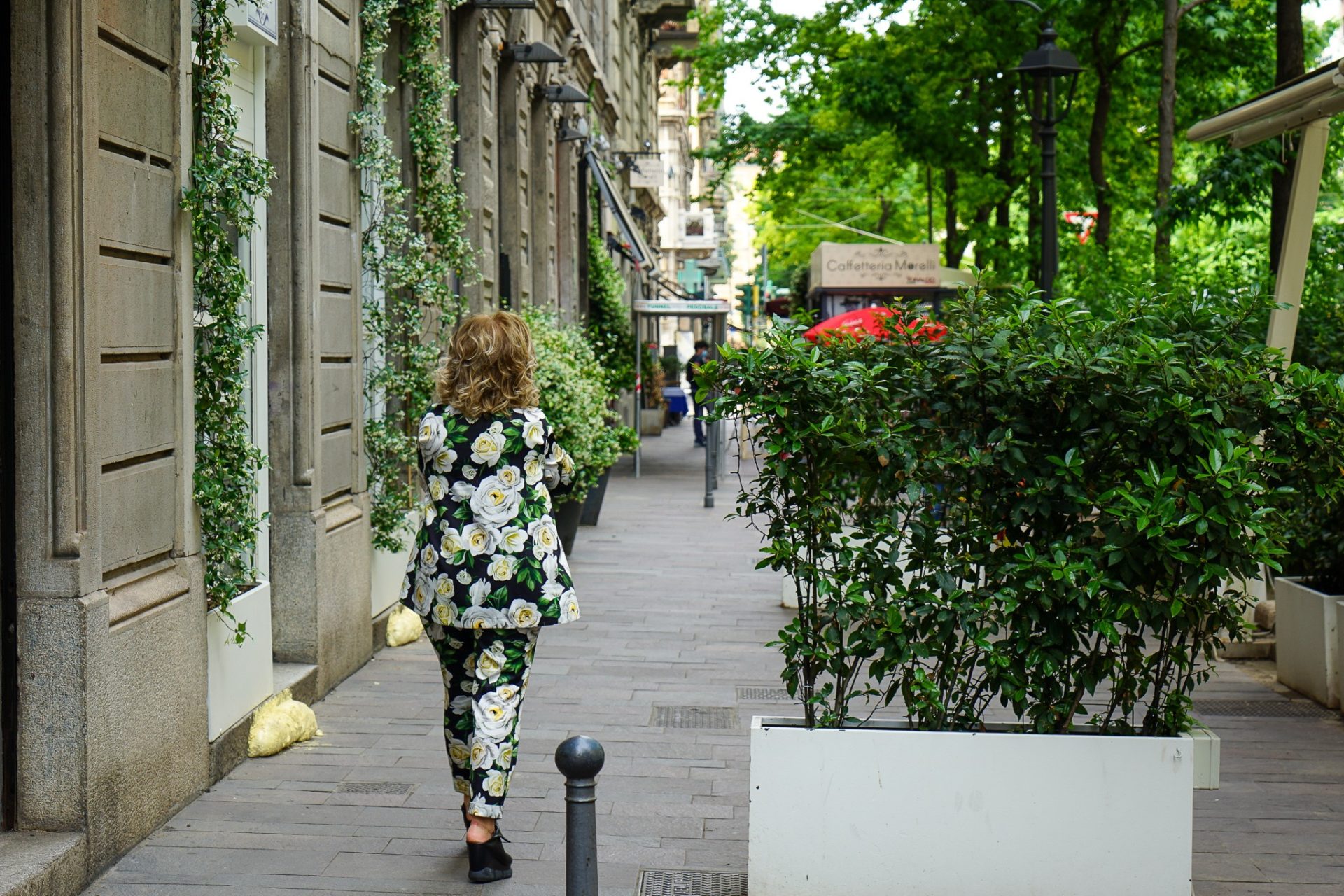
This area is meant for those who love living their own district, enjoying the social and cultural mix, the nightlife and restaurants for all budgets and tastes.
Here the cosmopolitan street food and the ethnic stores, like Kathay, are linked to well established historical workshops, like the Sirtori butcher shop, the Cantine Isola wine bar or Osteria Dal Verme.
What not to expect
In this area you will not find the design or fashion brands retail chains or franchisings, you will not find either big supermarkets with a driveway.
However, its weaknesses have become strengths: narrow streets that don’t allow the crazy Milanese traffic to spread; the tiny houses, mainly for rent and inhabited by young people, which give place to a great social and cultural mix; the market and the little and independent stores with their own identity, which offer more sincerity in the customer relationships.
Real Estate market
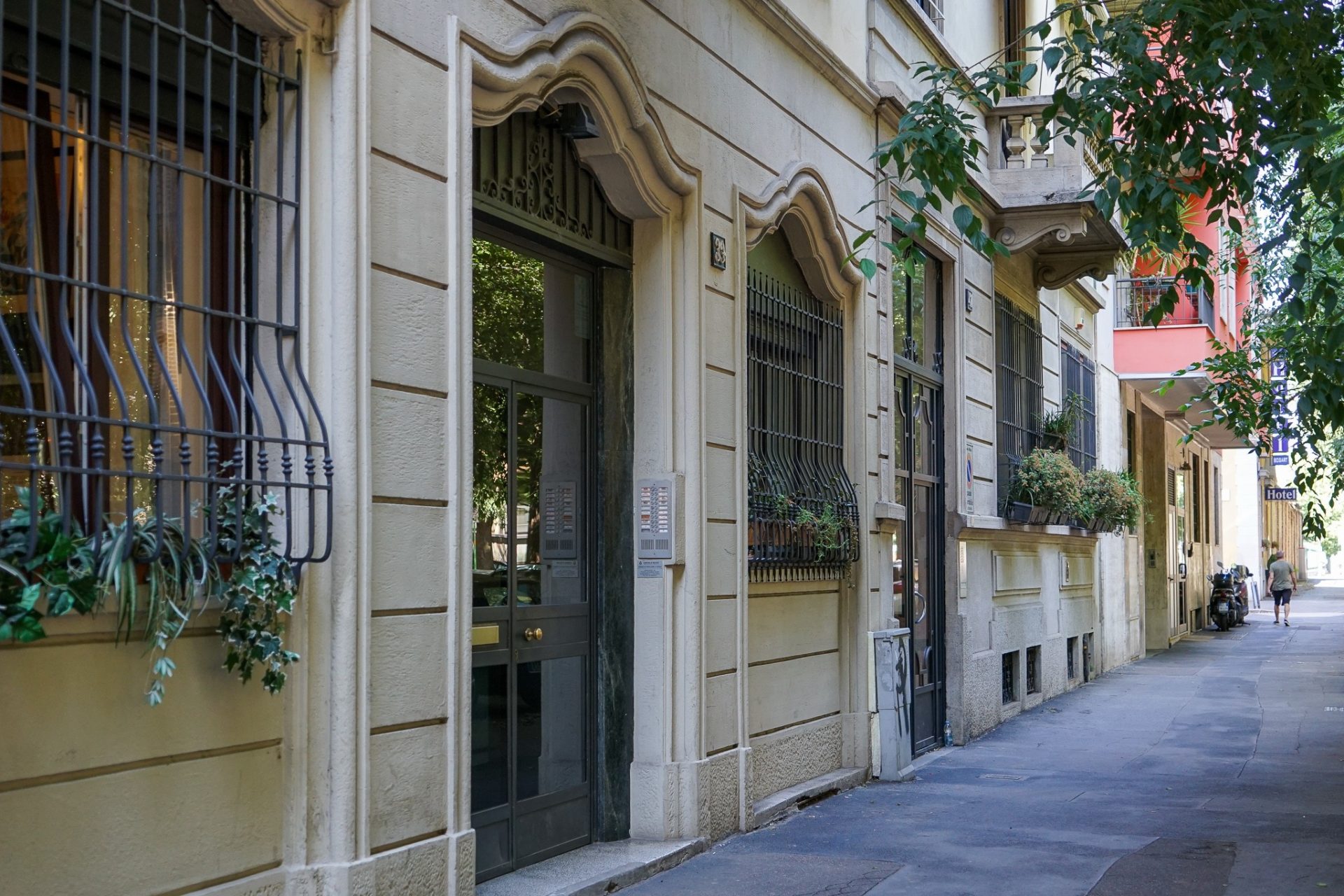
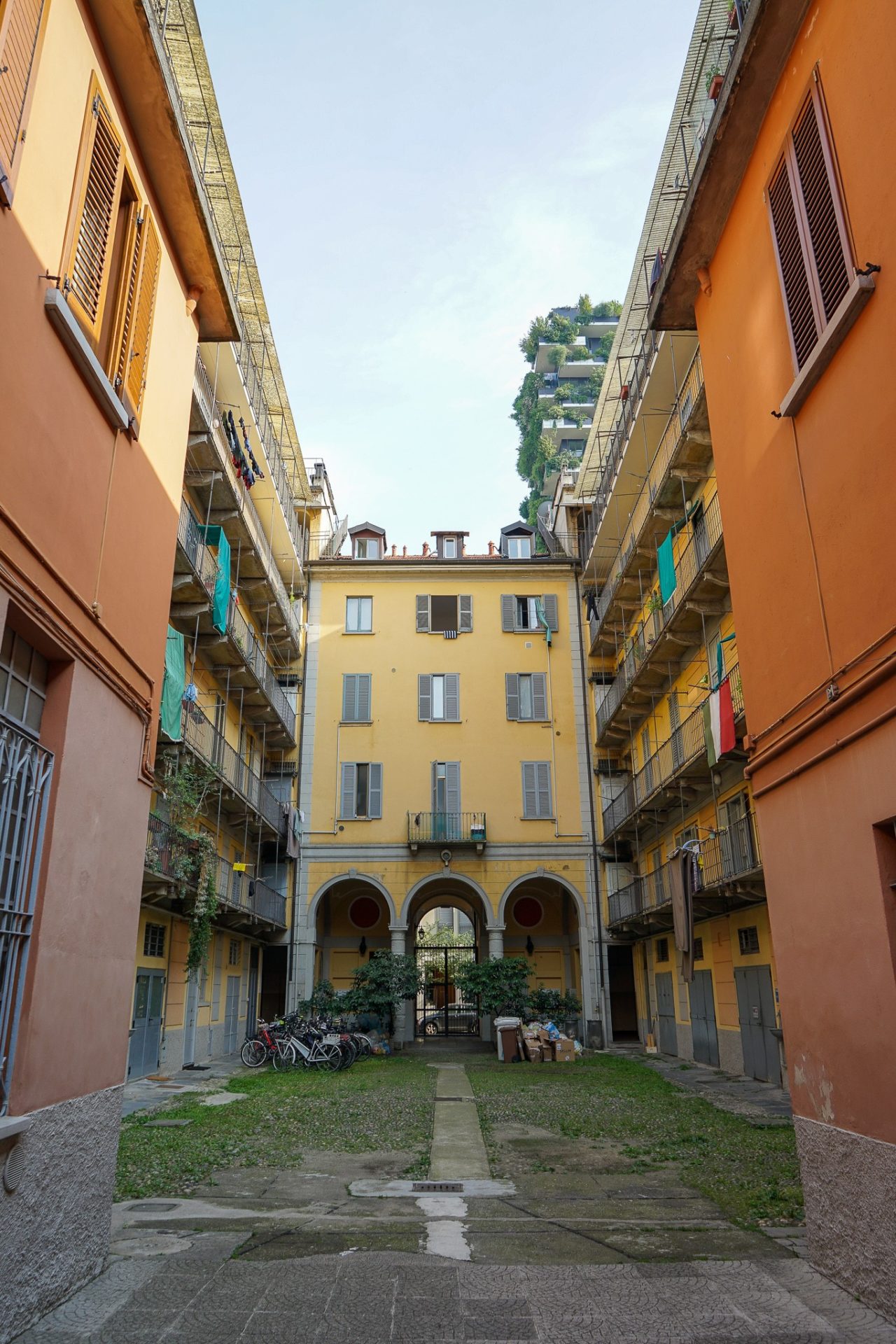
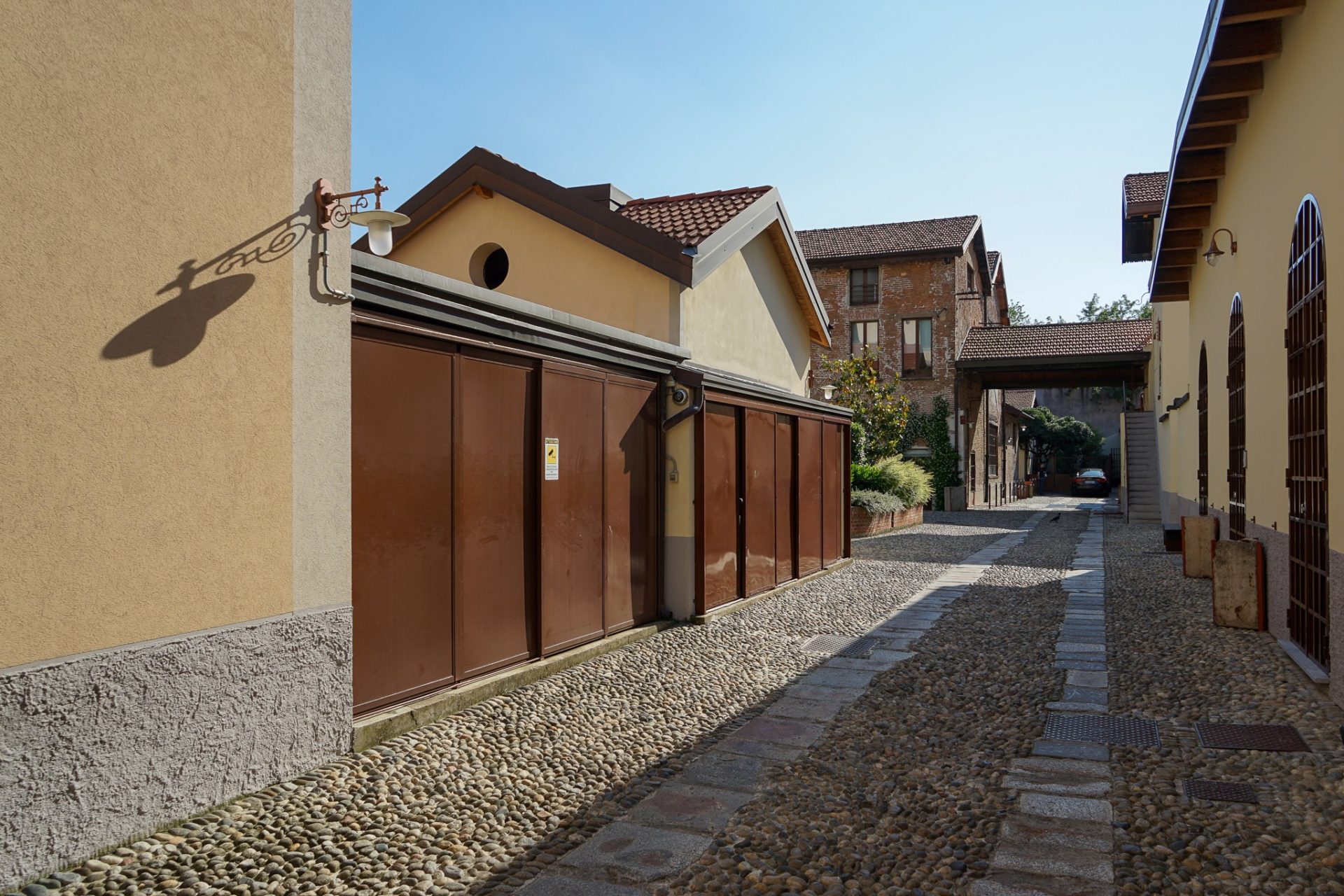
The real estate offer mainly consists of banister houses with internal courtyards and historical factories, often transformed in lofts, and it includes also post-war buildings.
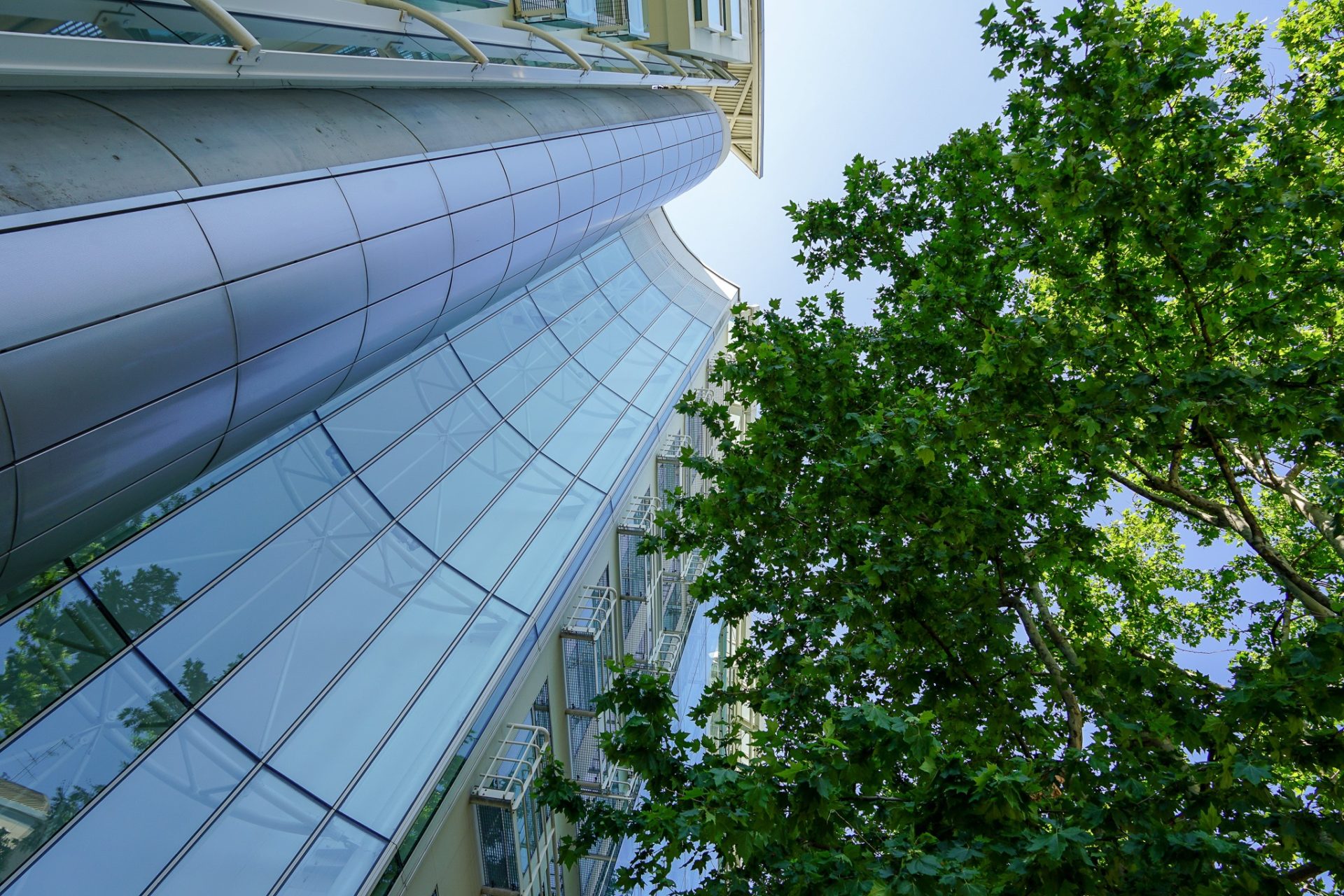
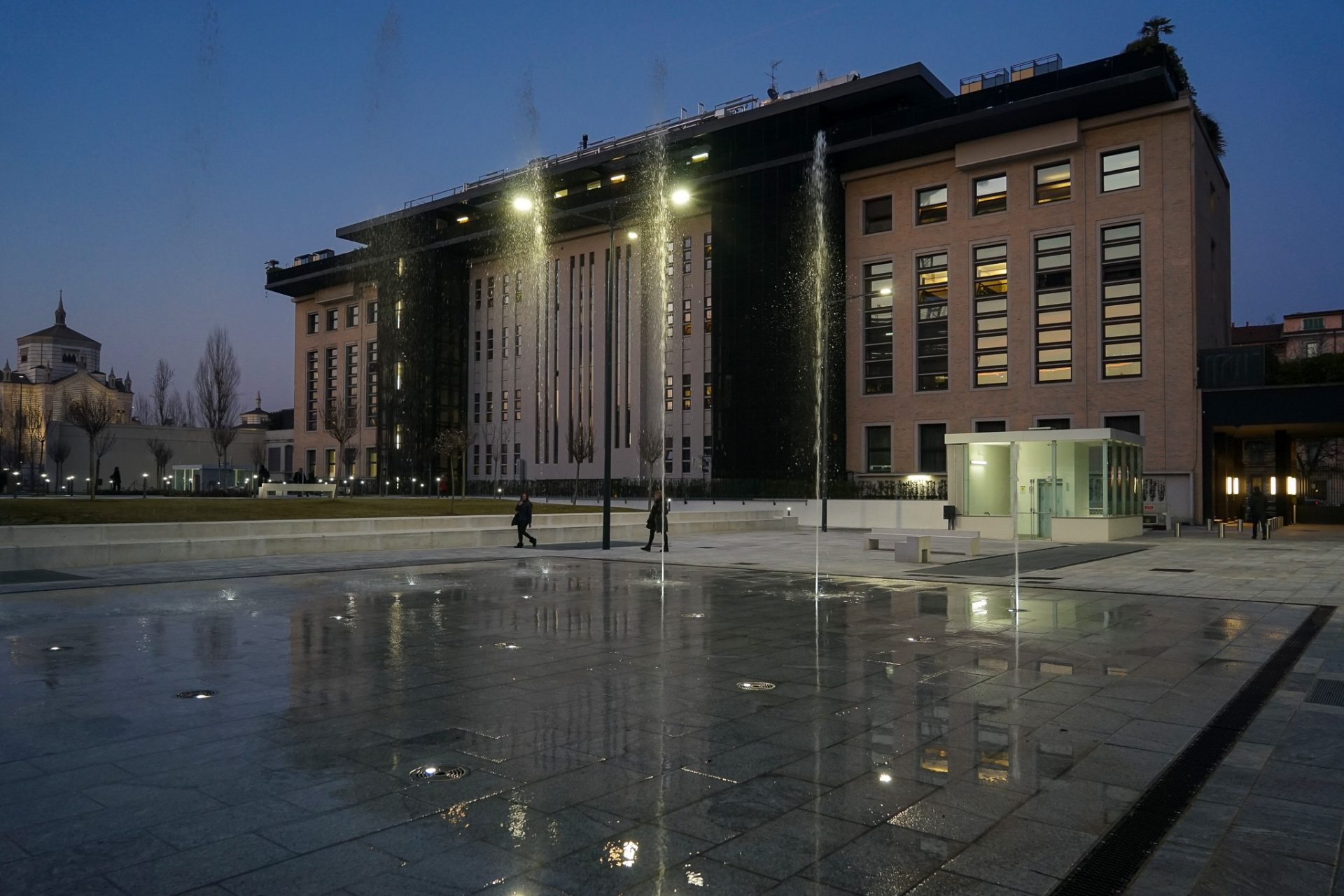
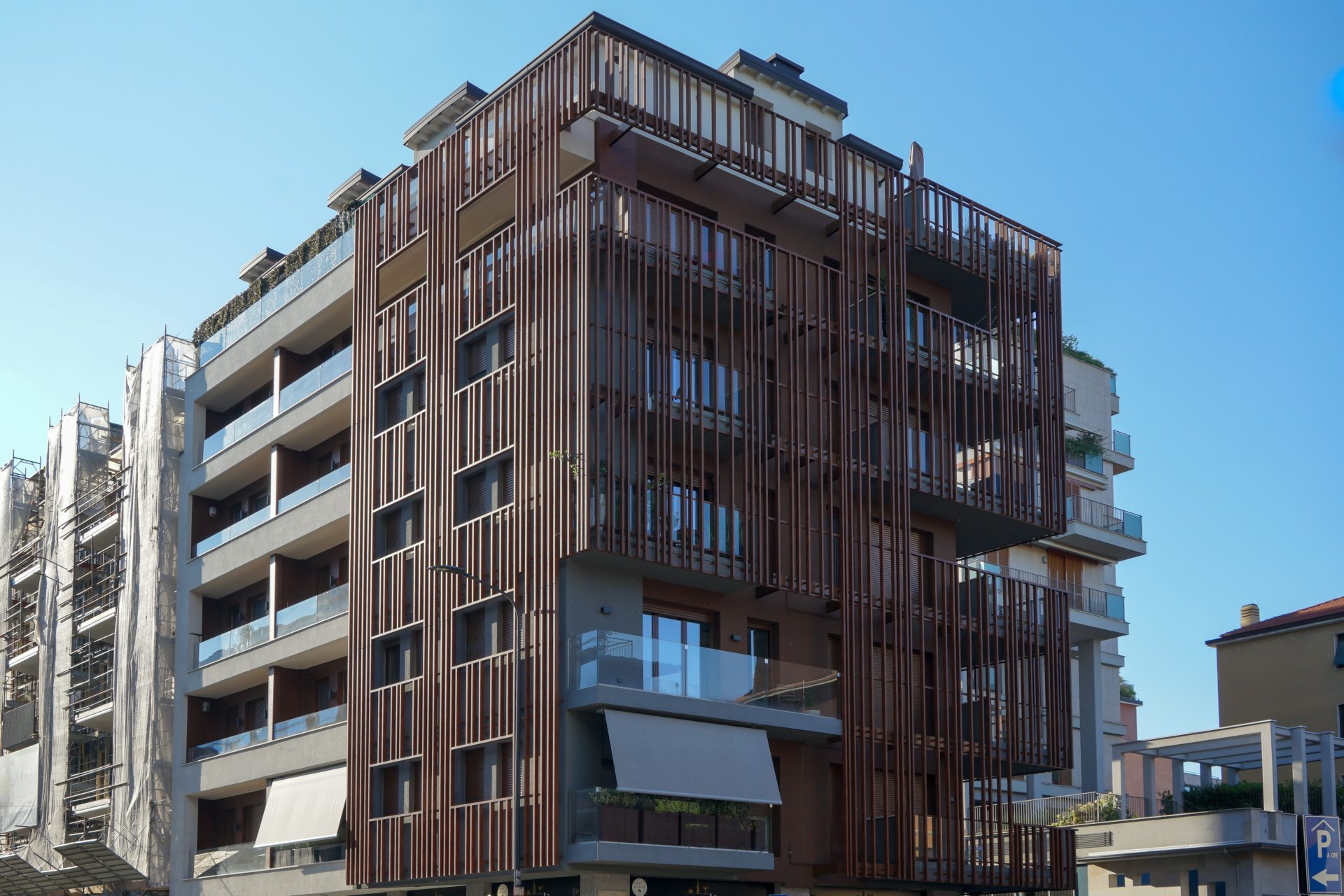
Recently some residential buildings with a more contemporary concept have been built, as a counterpoint to the homogeneous historical context.
You are going to love…
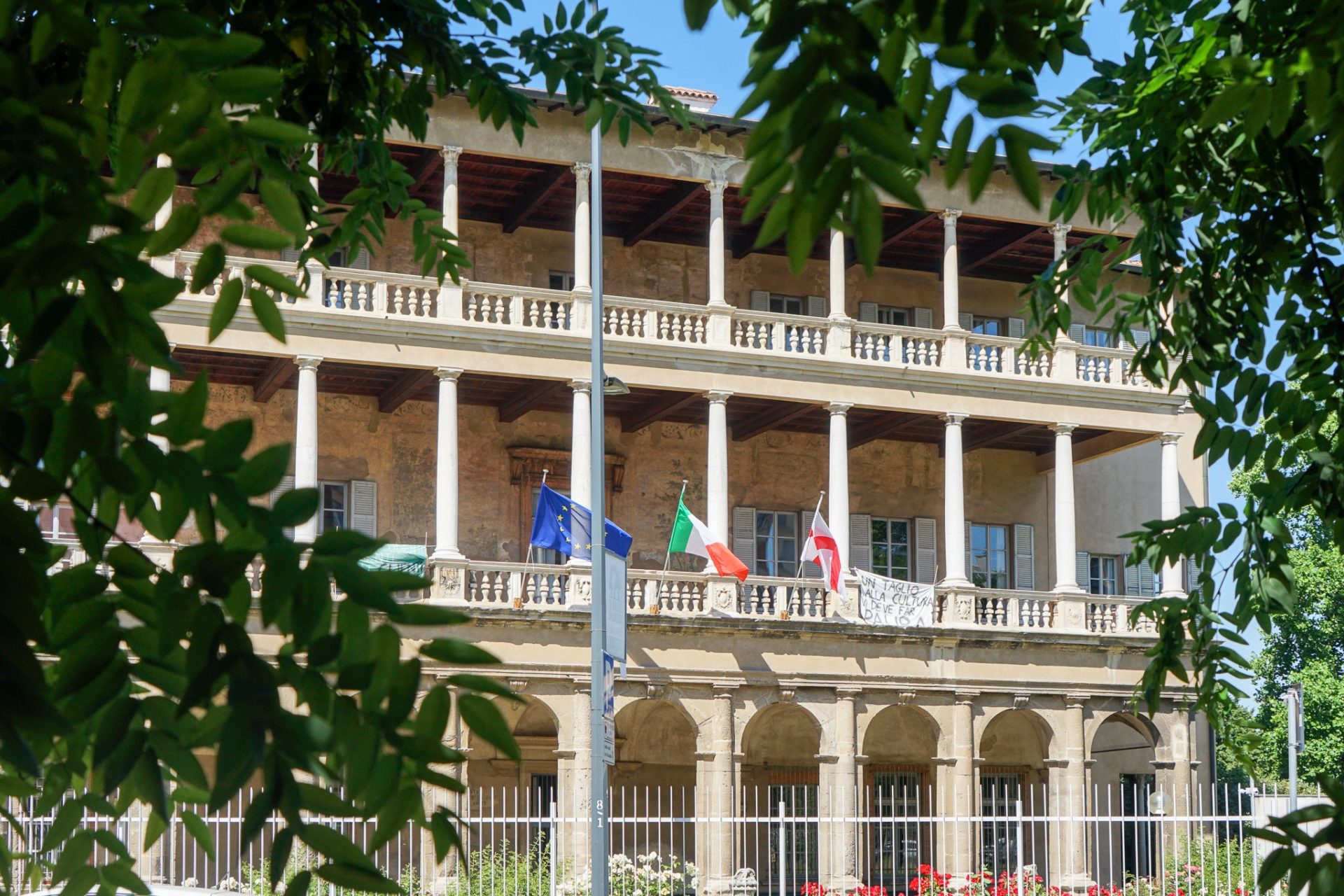
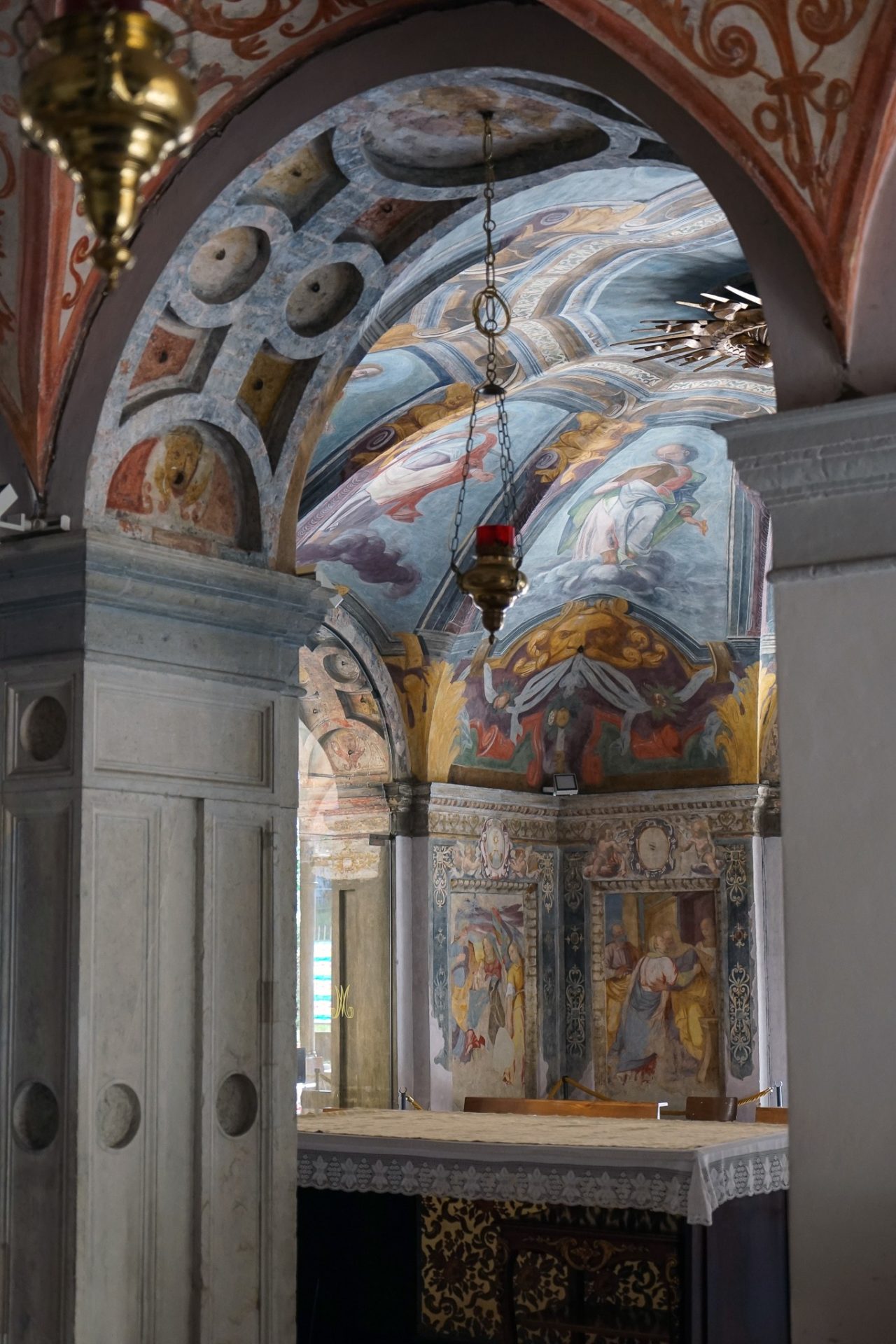
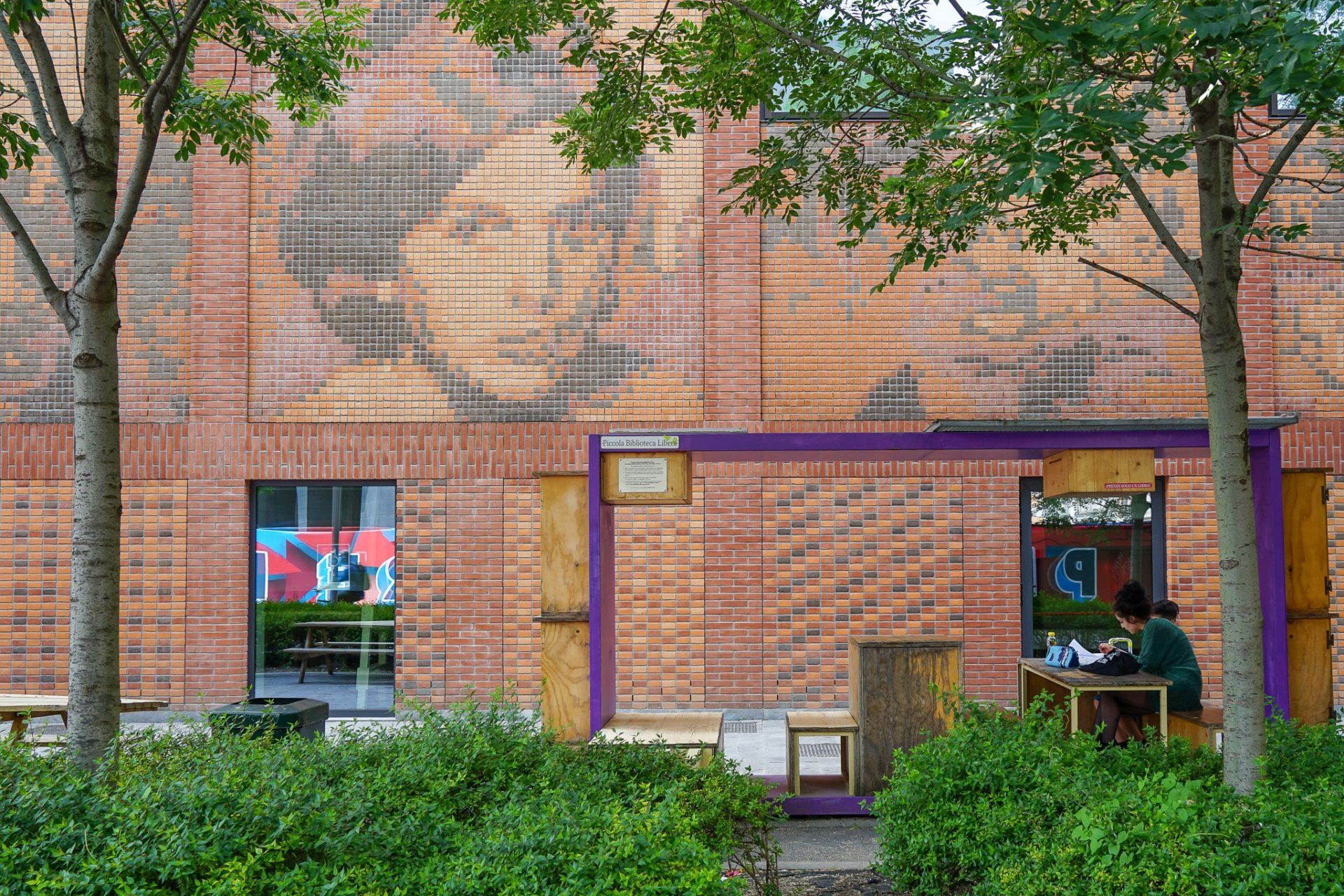
This historical area has a well-established identity, but it is also oriented to the future thanks to regeneration interventions which are activating a strong change, supported by the good connection to the public transport system.
Behind the corner
The area is situated close to Porta Nuova, with its tertiary and luxury residential centre, livened up by the Biblioteca degli Alberi big park. Architectural interventions of quality, like the Bosco Verticale and the new Fondazione Feltrinelli headquarter, play an important urban and public service role in order to revamp a part of the city.
The Parco Sempione, a green lung of the city centre, and the Arco della Pace, with many meeting points for young people, complete the offer for the free time.