



Città Studi, Susa
Milan
A semi-central and super fitted out residential area, one of the greater university campuses of Milan. The protagonists of the area are young people whom gyms and leisure places abound for.
Key Details
What to expect
Lifestyle
What not to expect
Real estate market
You are going to fall in love with
Keywords
Commute times
Duomo: 10 min. by car, 20 min. by public transportation
Castello Sforzesco: 15 min. by car, 30 min. by public transportation
Cadorna Station: 15 min. by car, 30 min. by public transportation
Central Station: 10 min. by car, 20 min. by public transportation
Milano Malpensa: 1h by car, 1h by public transportation
Milano Linate: 10 min. by car, 40 min. by public transportation
Transportations
Closest underground lines
Line 1 (Loreto Stop)
Line 2 (Stops Loreto, Piola, Lambrate)
Line 4 (Susa, Argonne Stops)
Surface Transport
Well connected to both trams and buses which take you to the airport
Railroad Service
Lambrate railway station
Highways and freeways
10 min from the A1, 30 min from the A4, 20 min from A7, 30 min from A8, 20 min from the East freeway, 20 min from West freeway, 30 min from North freeway
Boundaries
East: Plezzo street, Railroad
West: Abruzzi avenue, Piceno avenue
North: Costa street, Leoncavallo street
South: XXII marzo avenue, Corsica avenue
Neighborhood areas
Centrale, Repubblica
Porta Venezia, Indipendenza
Pasteur, Rovereto
Udine, Lambrate
Forlanini
Porta Vittoria, Lodi
Cimiano
A walk through the district
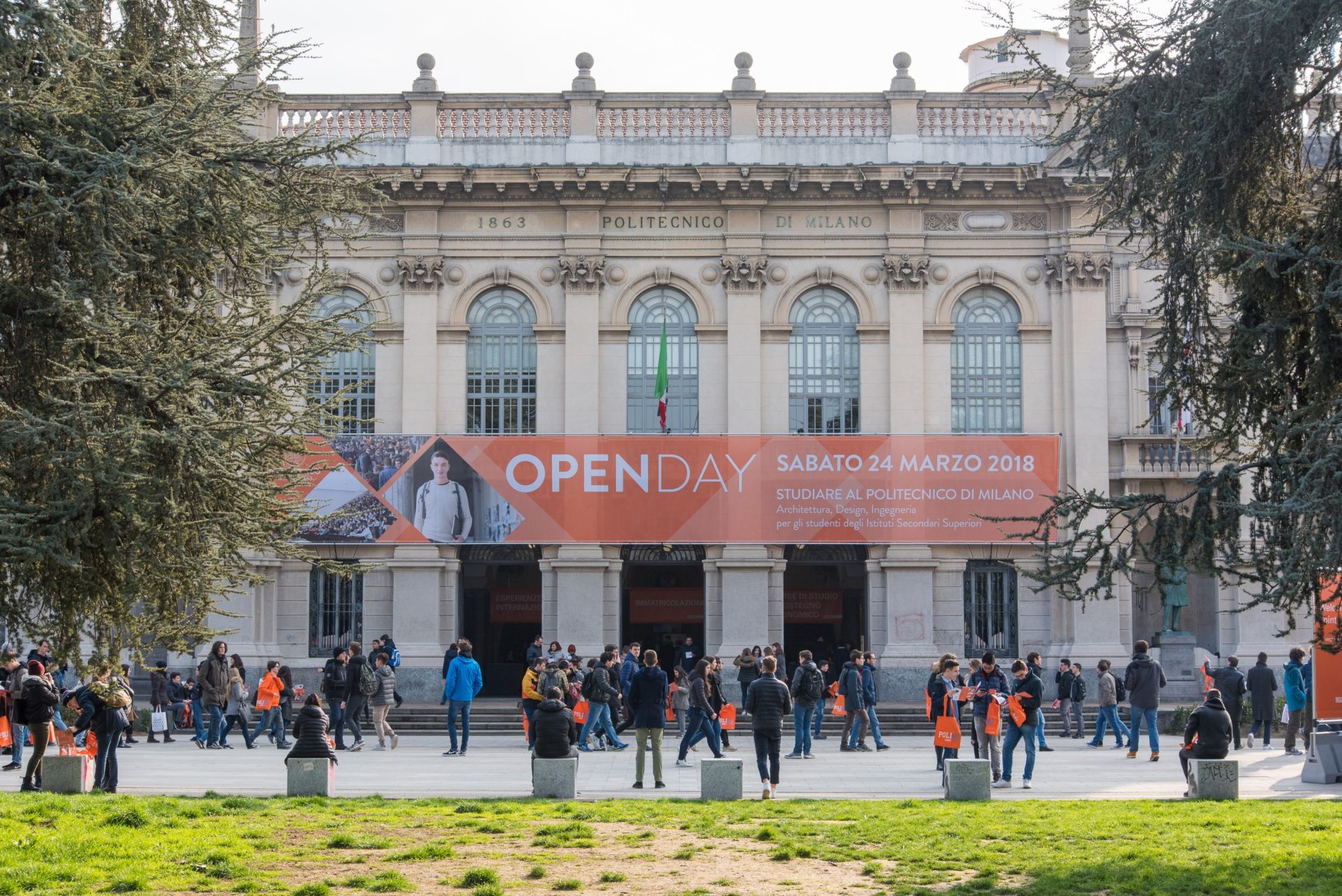
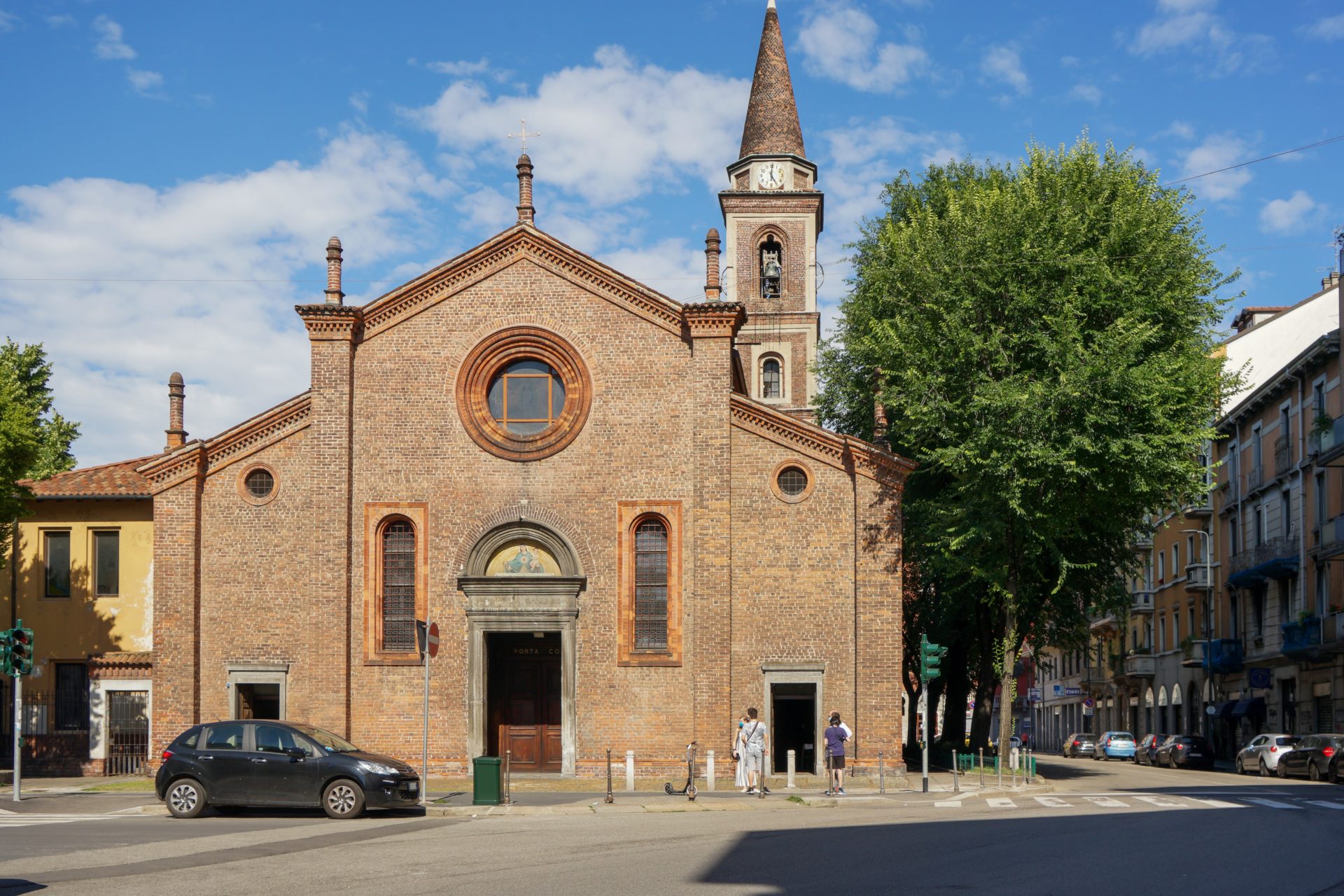
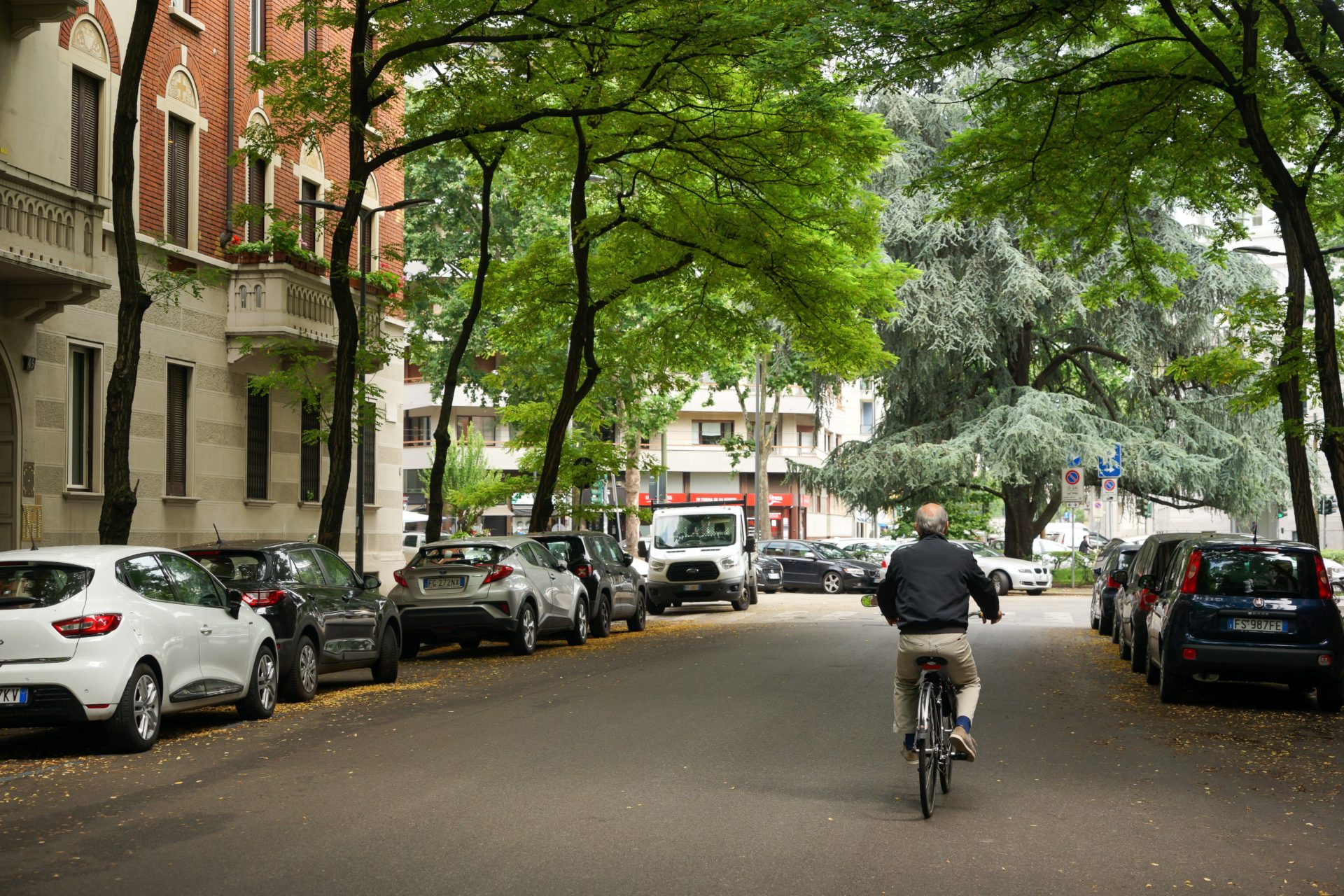
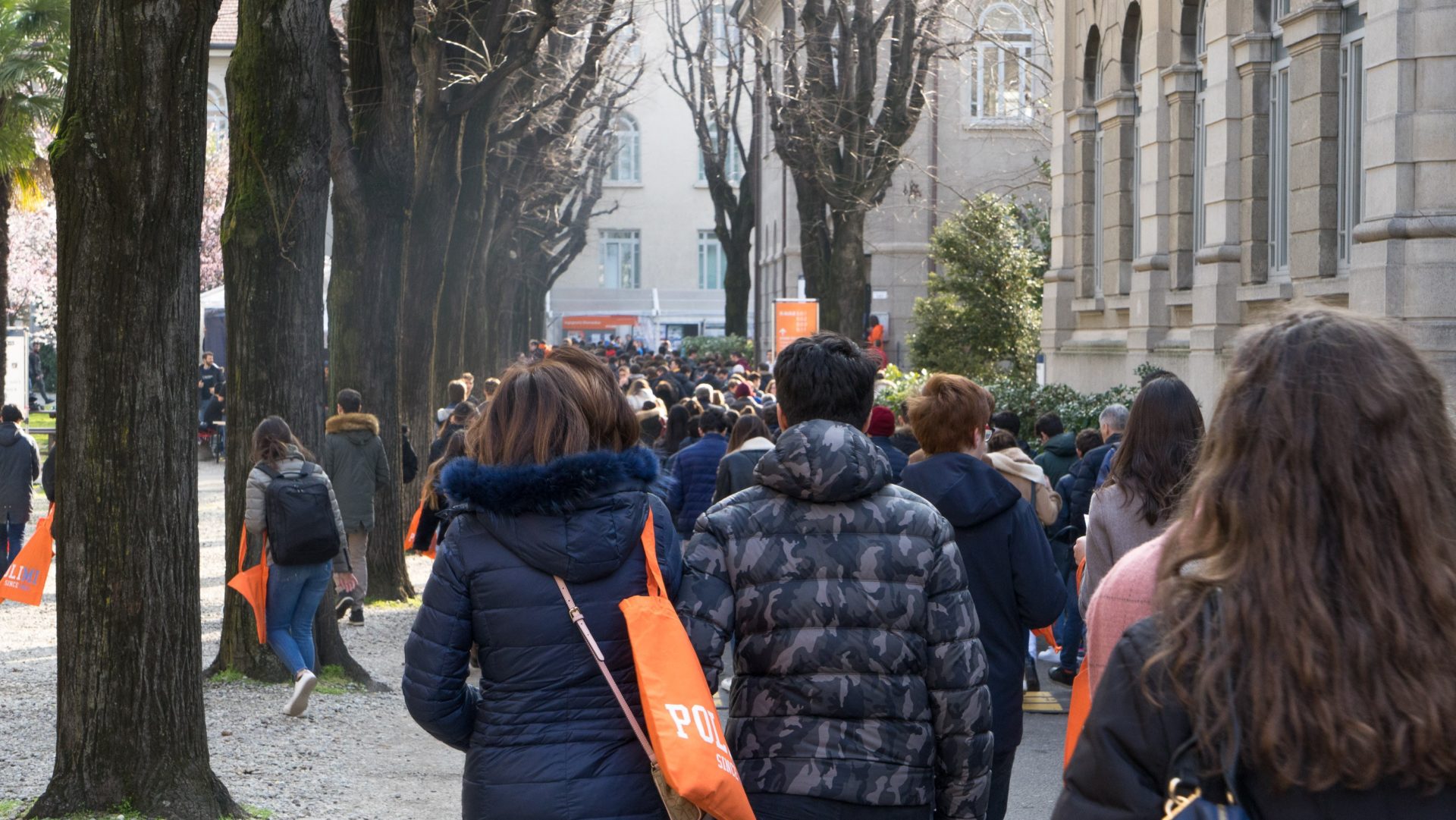
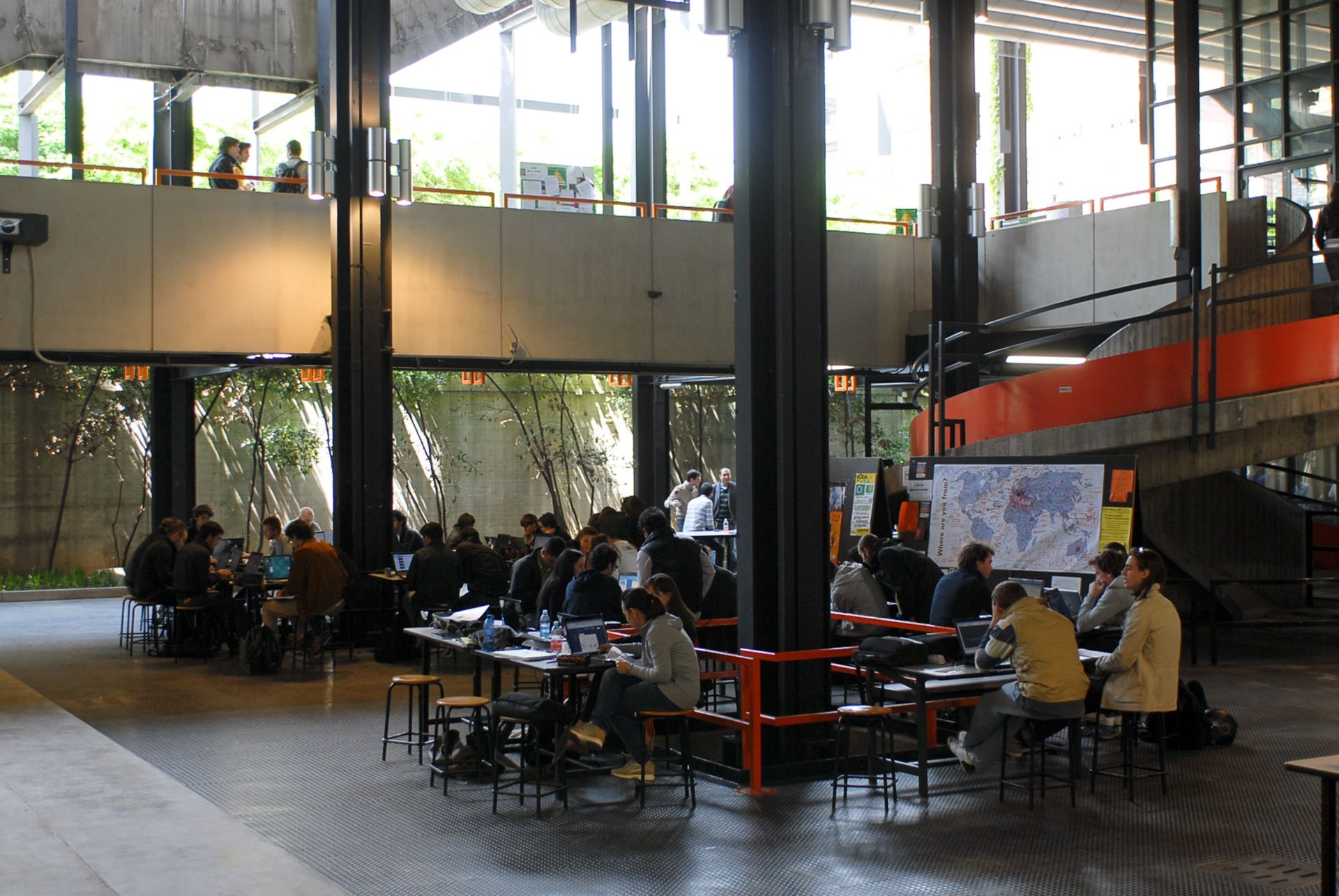
An area that is influenced by the presence of universities which make it attractive for the off-campus students and those who need to reach easily both the city centre and surroundings. Here, among the big tree-lined avenues and the beautiful middle-class residences, important care facilities and scientific research centres have also originated; it’s like they are recreating a health citadel.
What to expect
This area is not far from the city centre and it benefits from an efficient transport system.
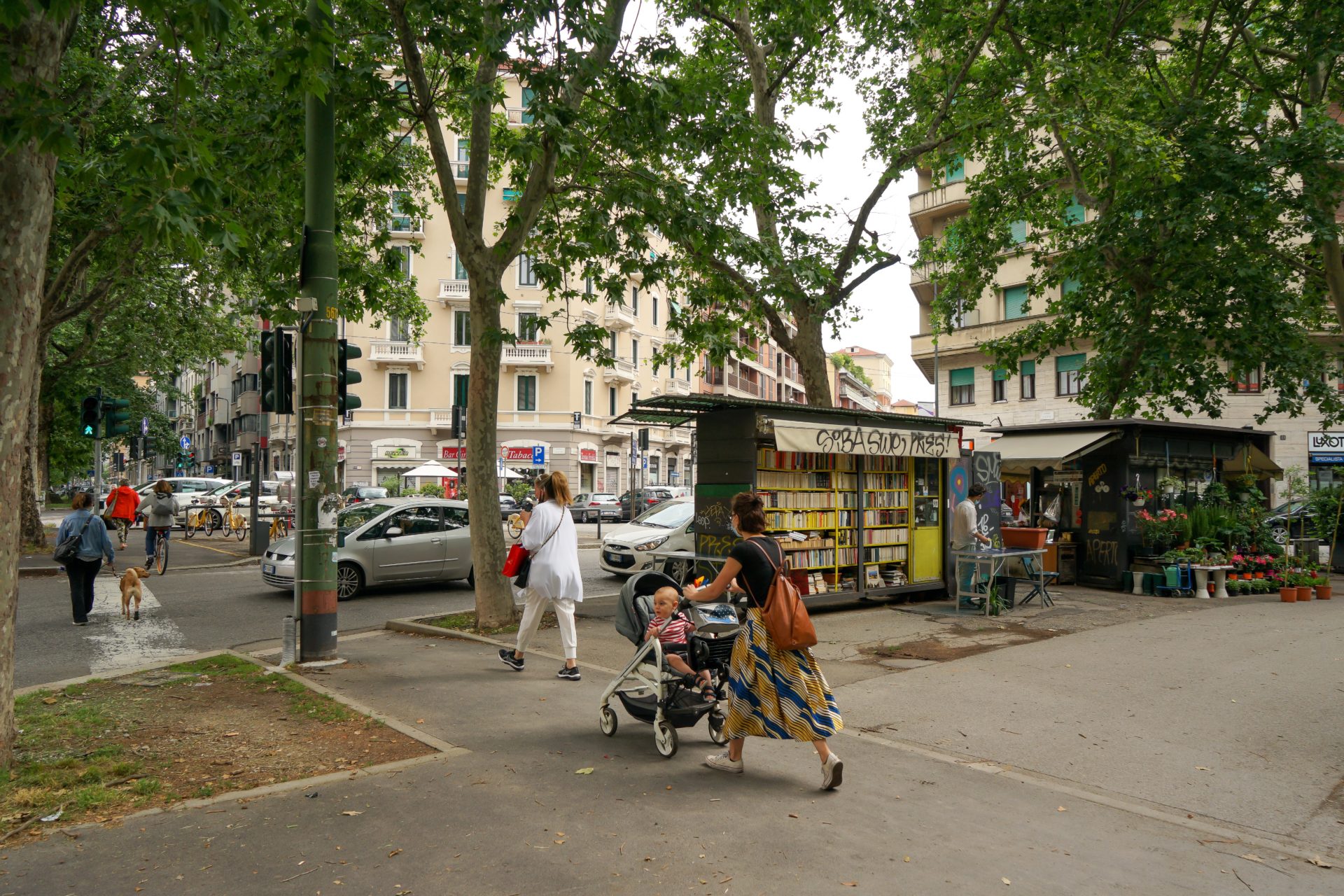
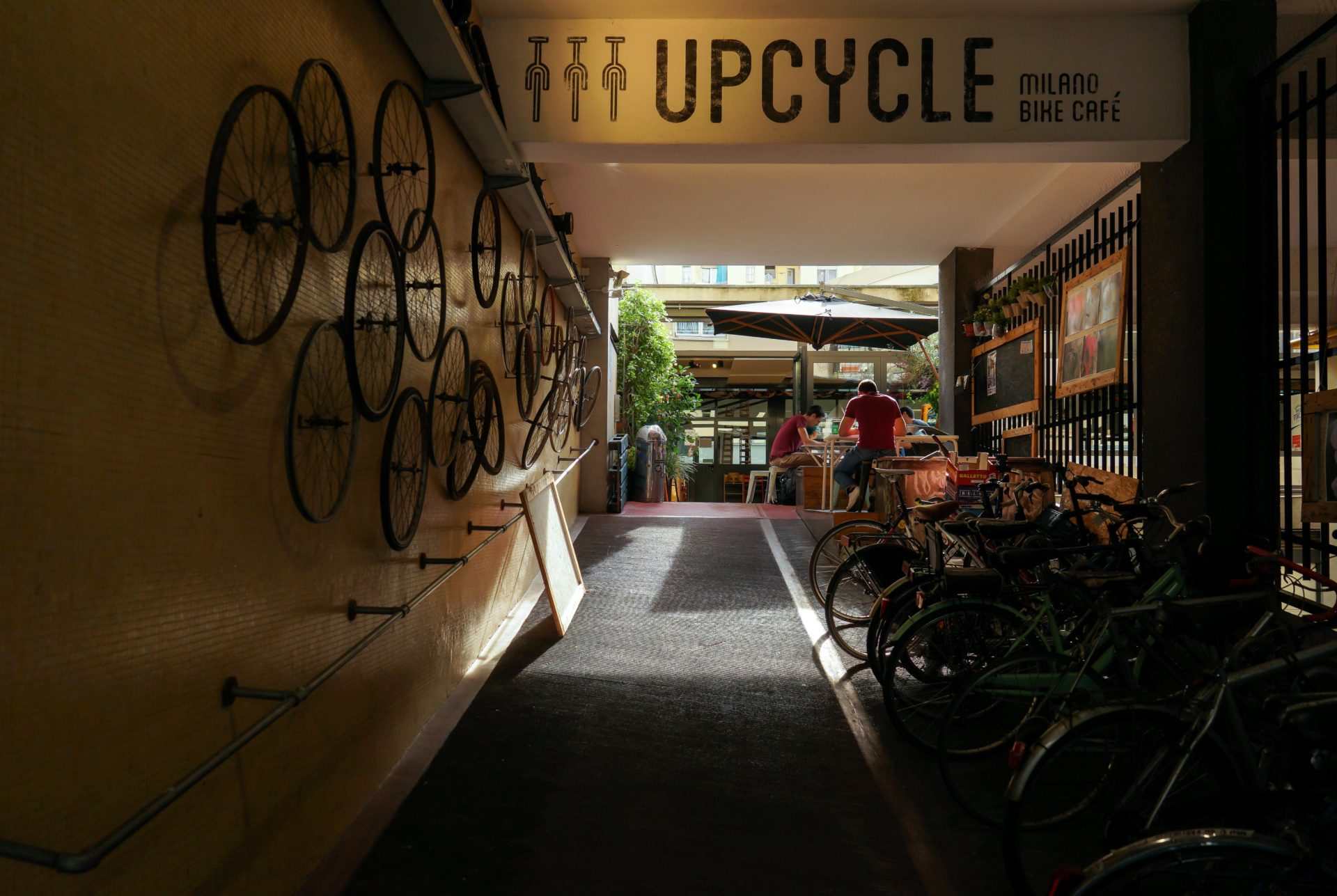
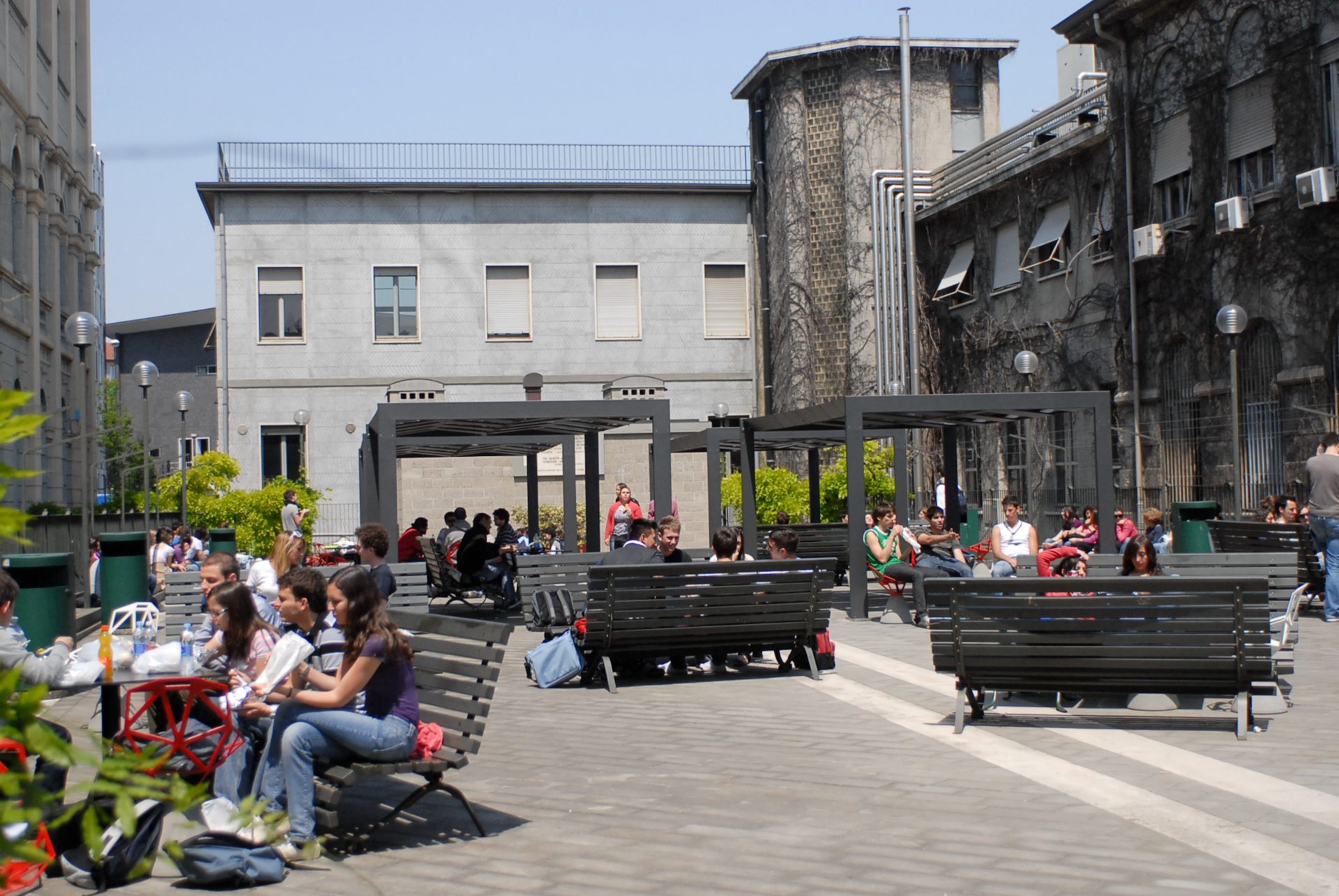
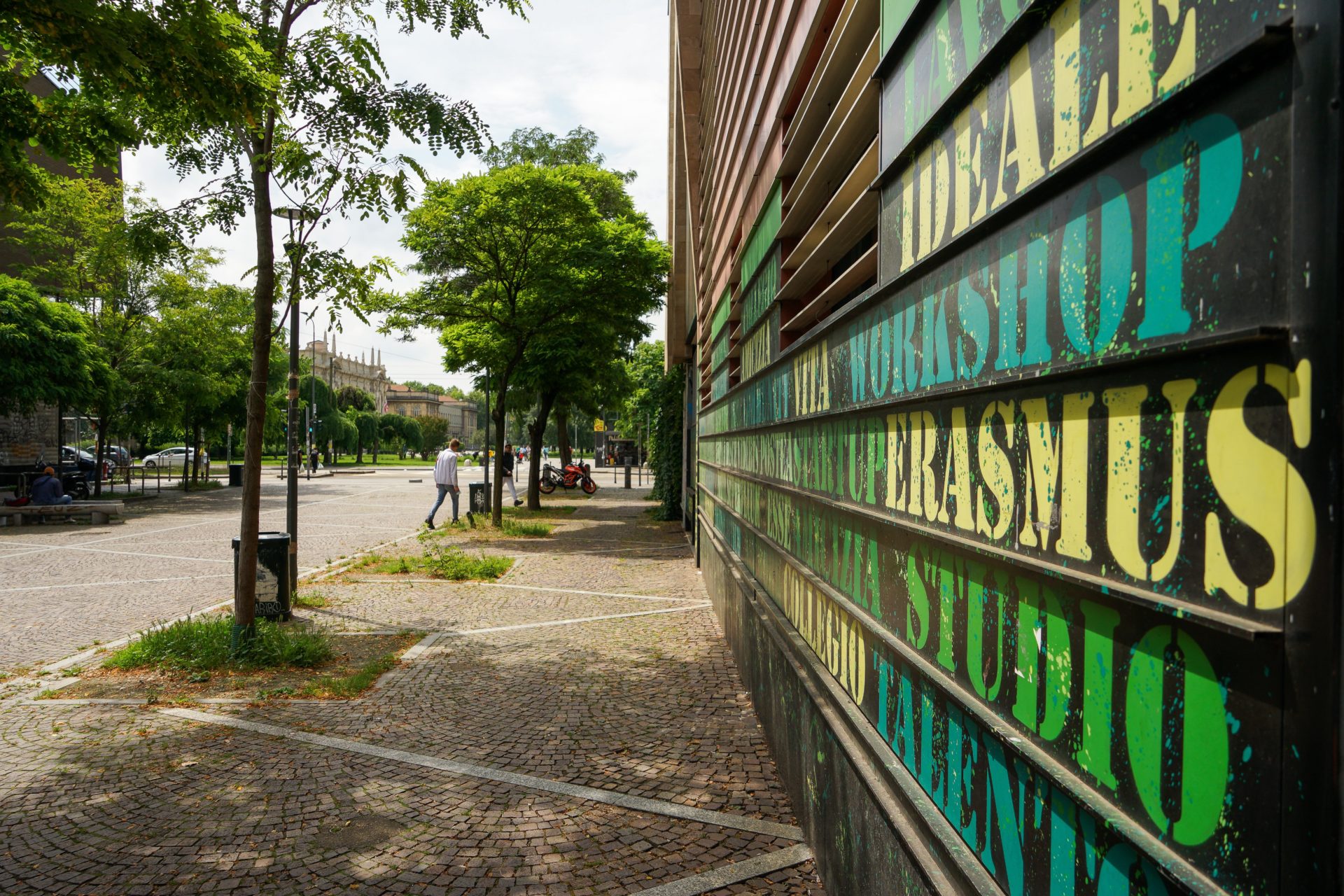
The area is populated by many young people who attend the university and by historical middle-class and working-class residents, and it is full of trendy pubs, restaurants, street food stands and any kind of bars and stores.
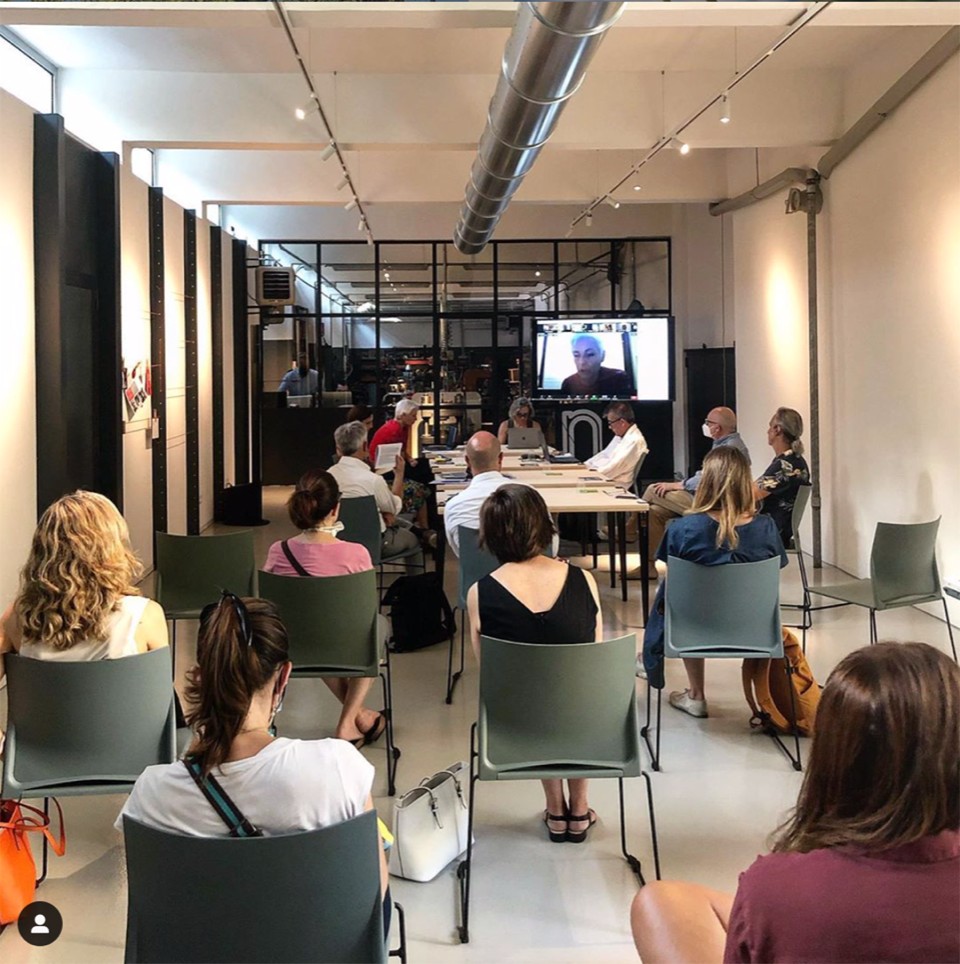
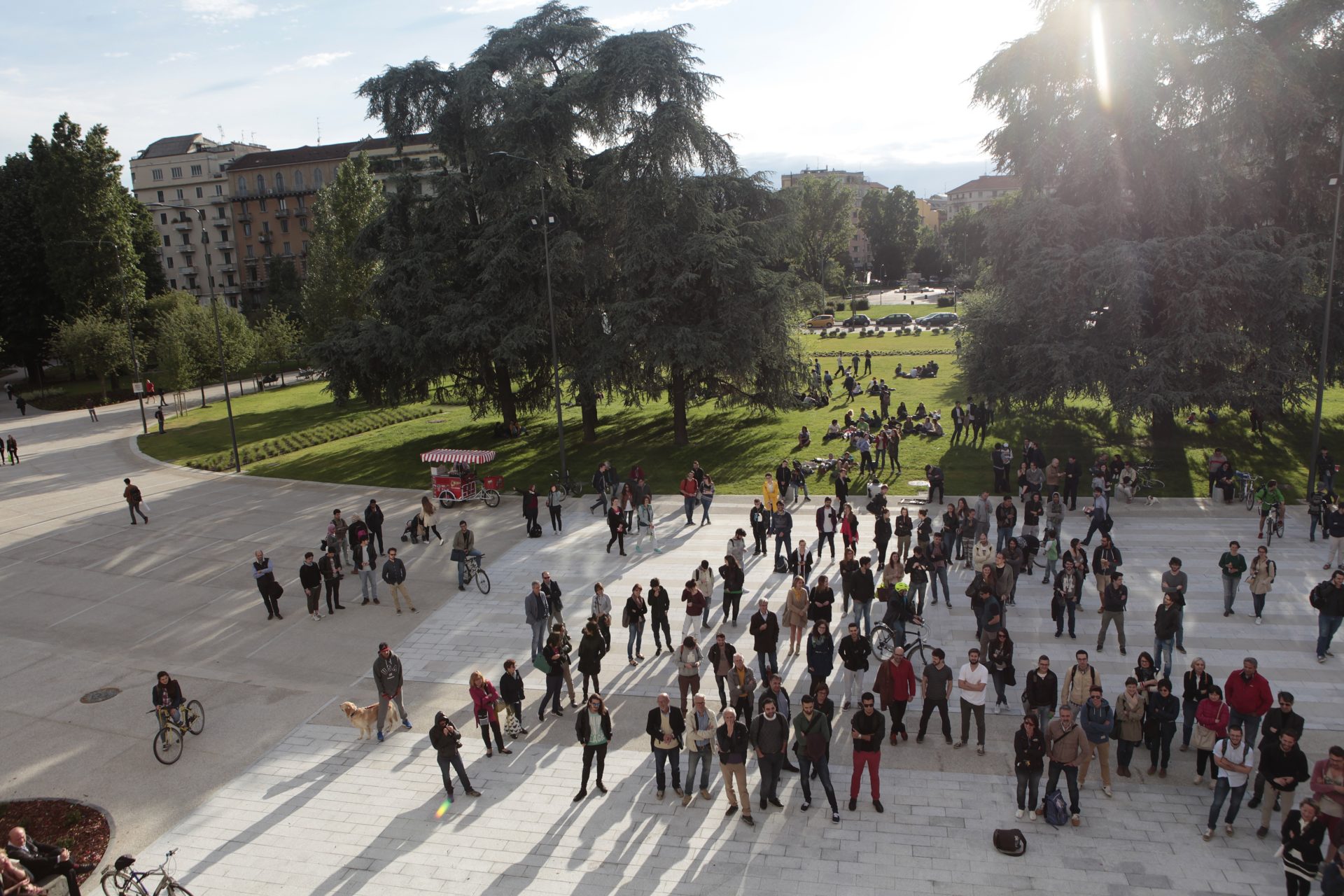
Recently, the Piazza Leonardo has been redeveloped, which is in front of the Politecnico and has become an important meeting point thanks to a full show schedule of events and concerts.
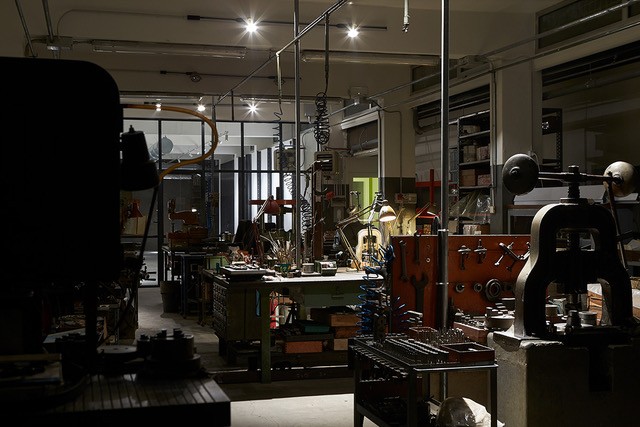
Do not miss the “Attrezzeria Archivio Negroni”, a factory which attended and participated in the art of engraving transformation, where multiple work tools and hundreds of utensils are gathered; most of them are handmade.
Lifestyle
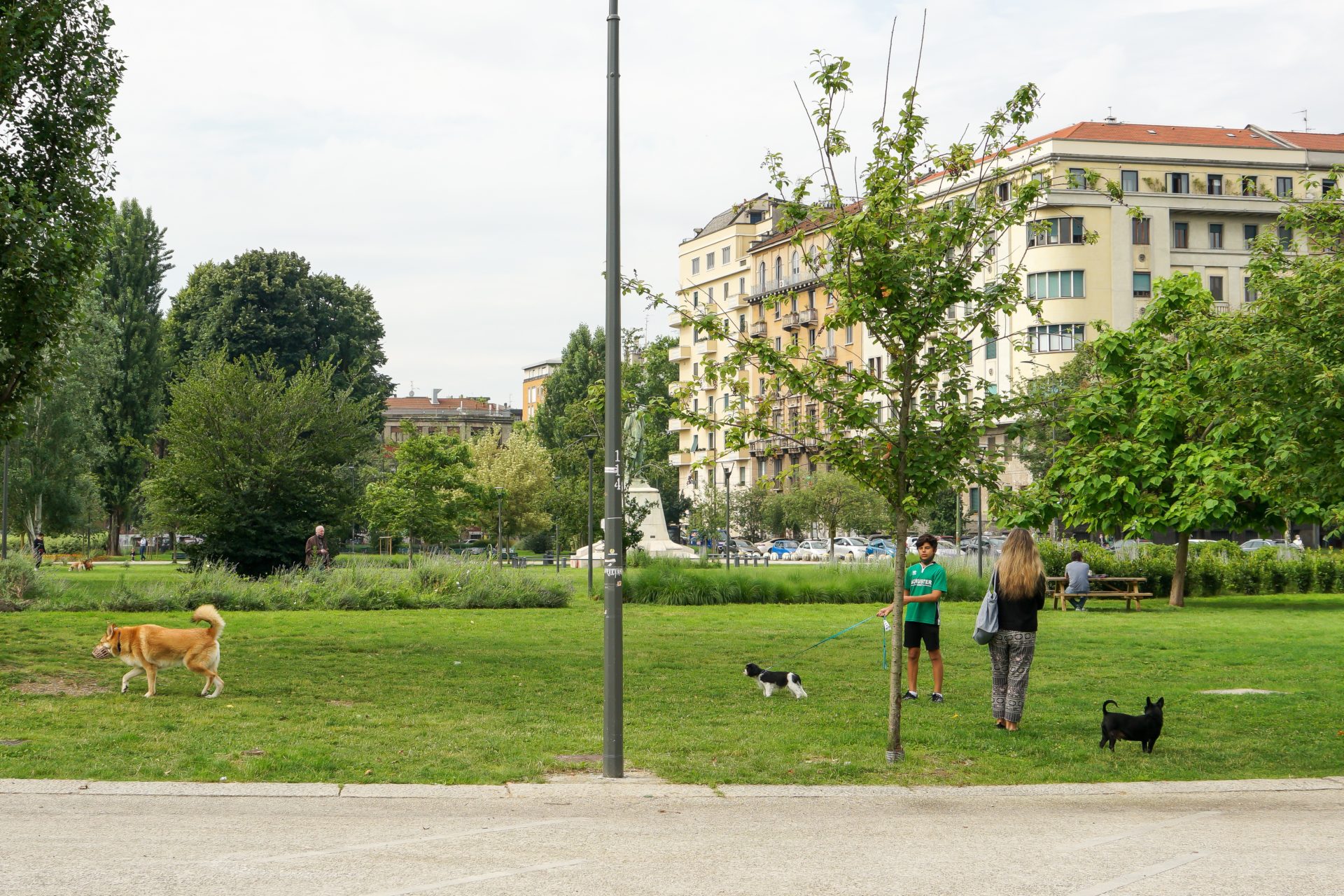
This area is meant for those who want to live close to all the necessary services without moving elsewhere: from stores to bars, from markets to pubs, from the university to wellness facilities.
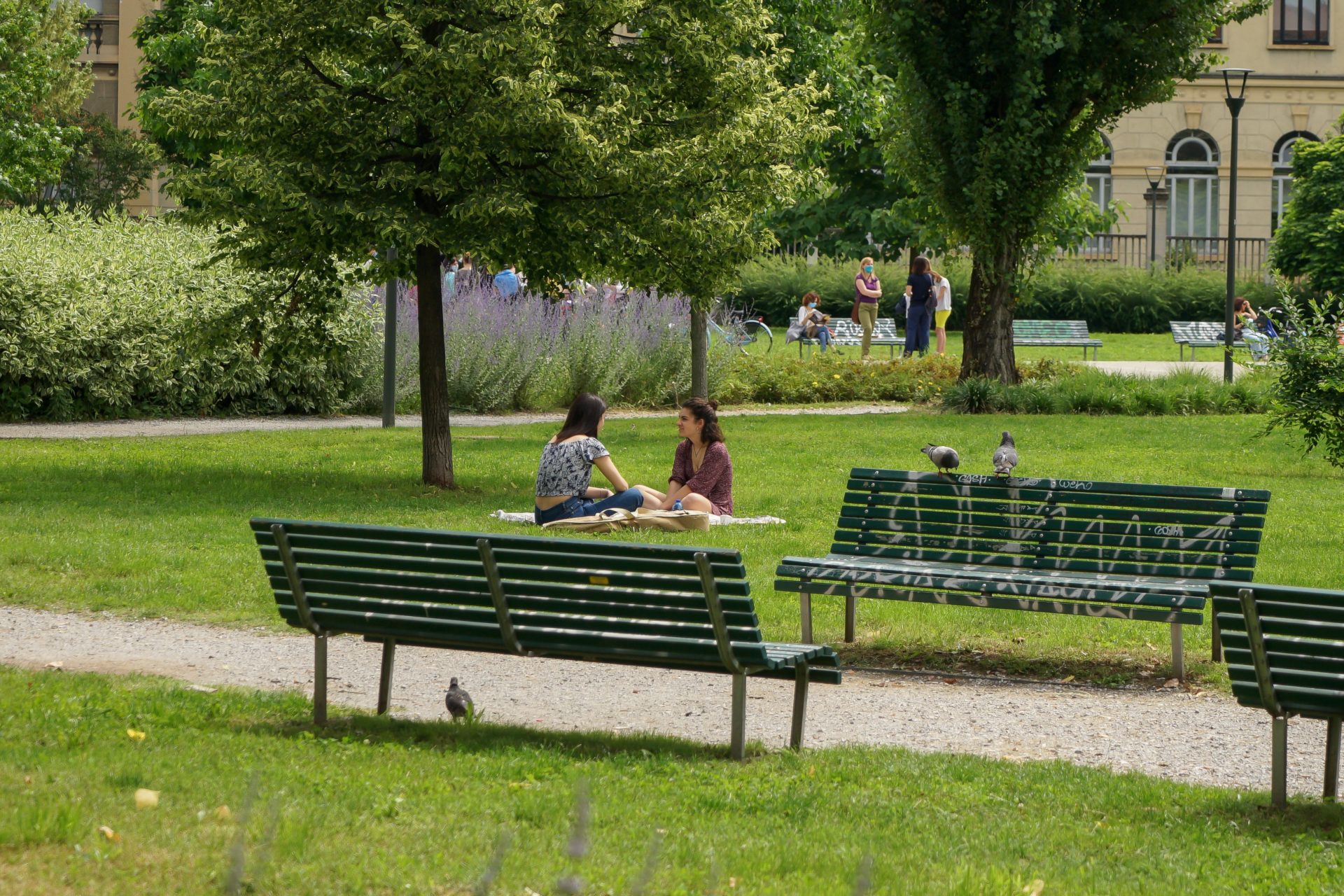
Moreover, the good connection to the city centre and surroundings guarantees the convenience of moving easily to both close and far destinations. If you want to be surrounded by a young and lively atmosphere, stopping by in one of the numerous pubs to sip a drink or practicing sports in many neighbouring facilities, this is the right area for you.
What not to expect
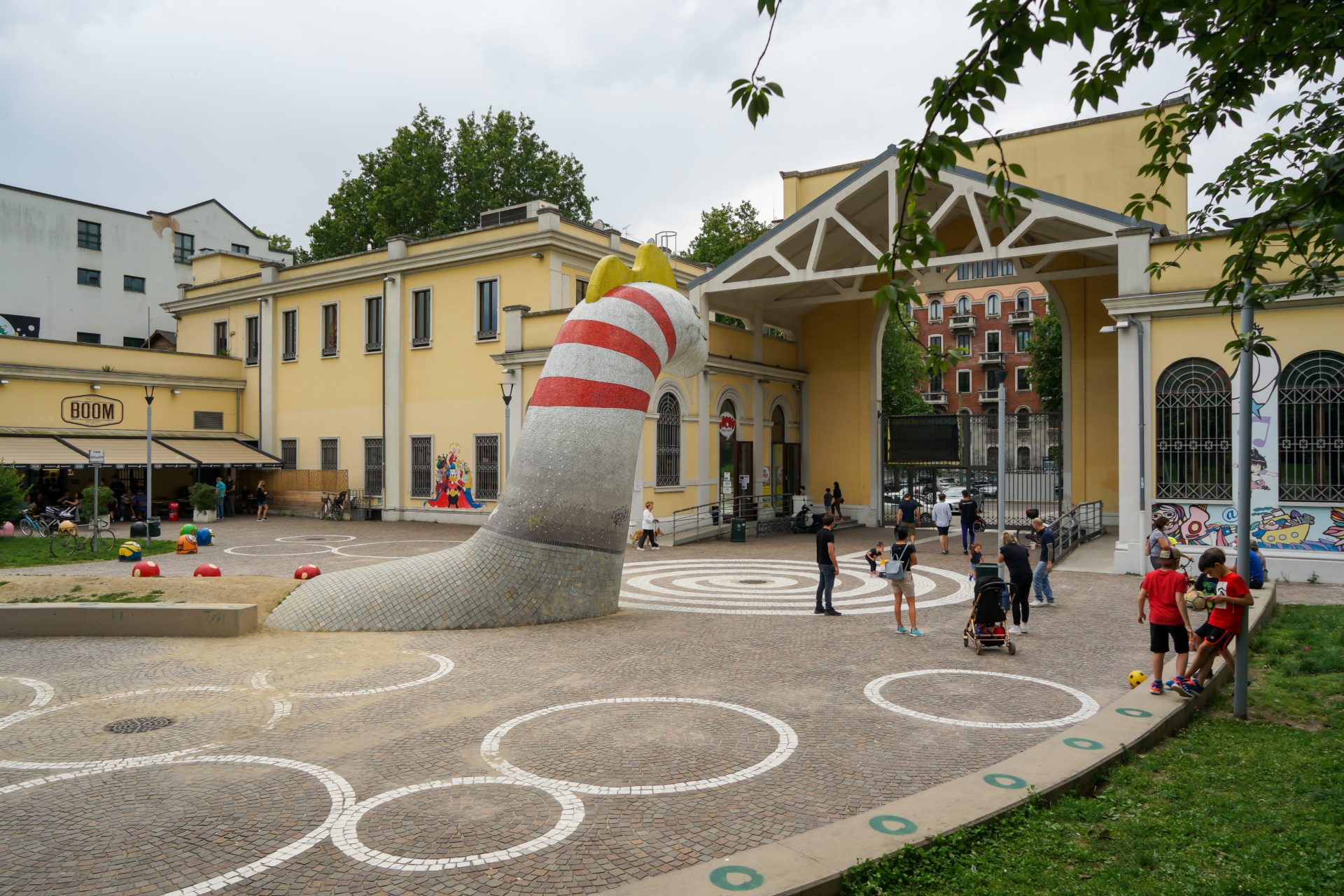
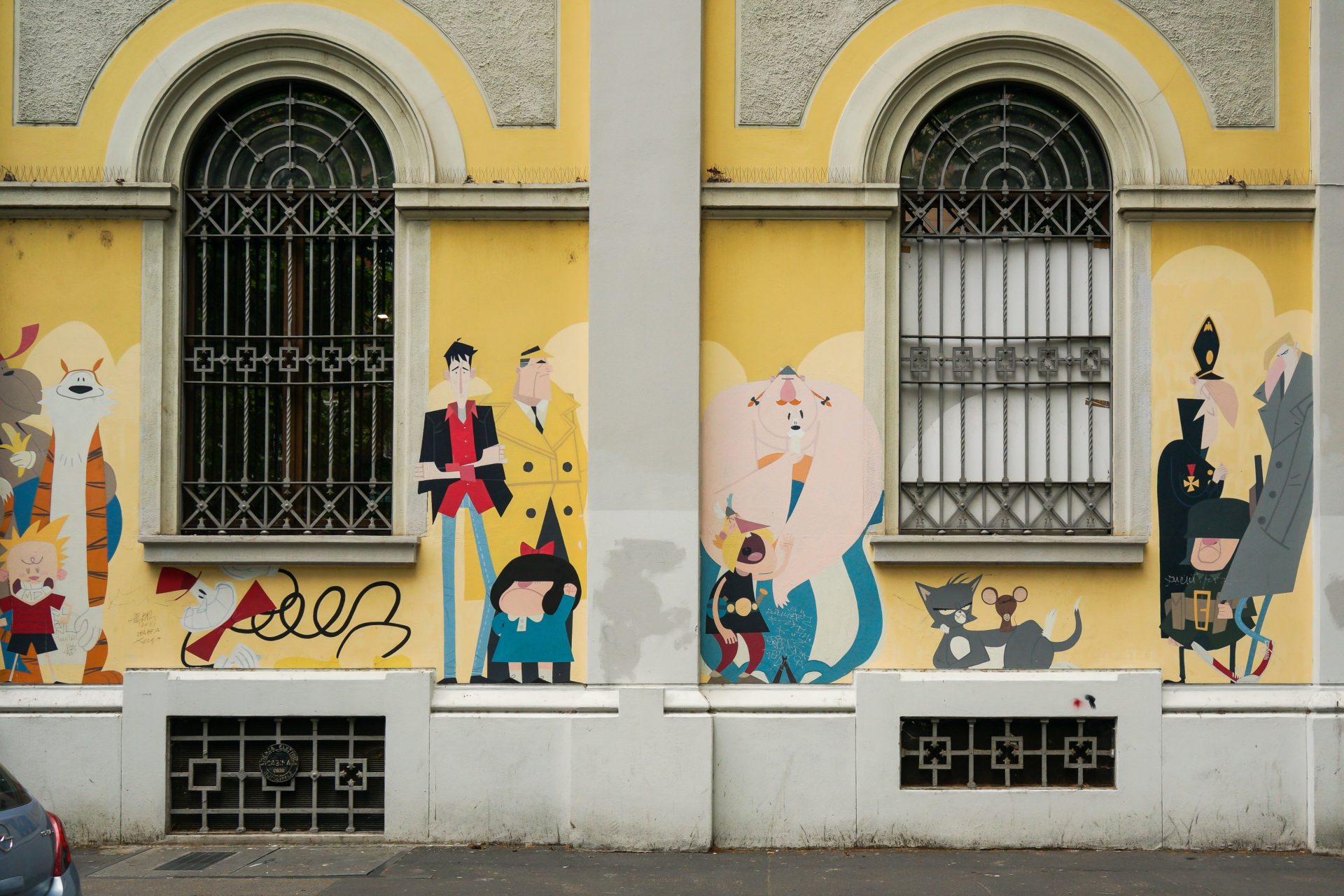
This area is not meant for those who want to be surrounded by nature and don’t want to be in touch with the nightlife lived by many young people. It can’t be appreciated by those who don’t care exploring alternative museums, like the Comic Book one.
Real Estate market
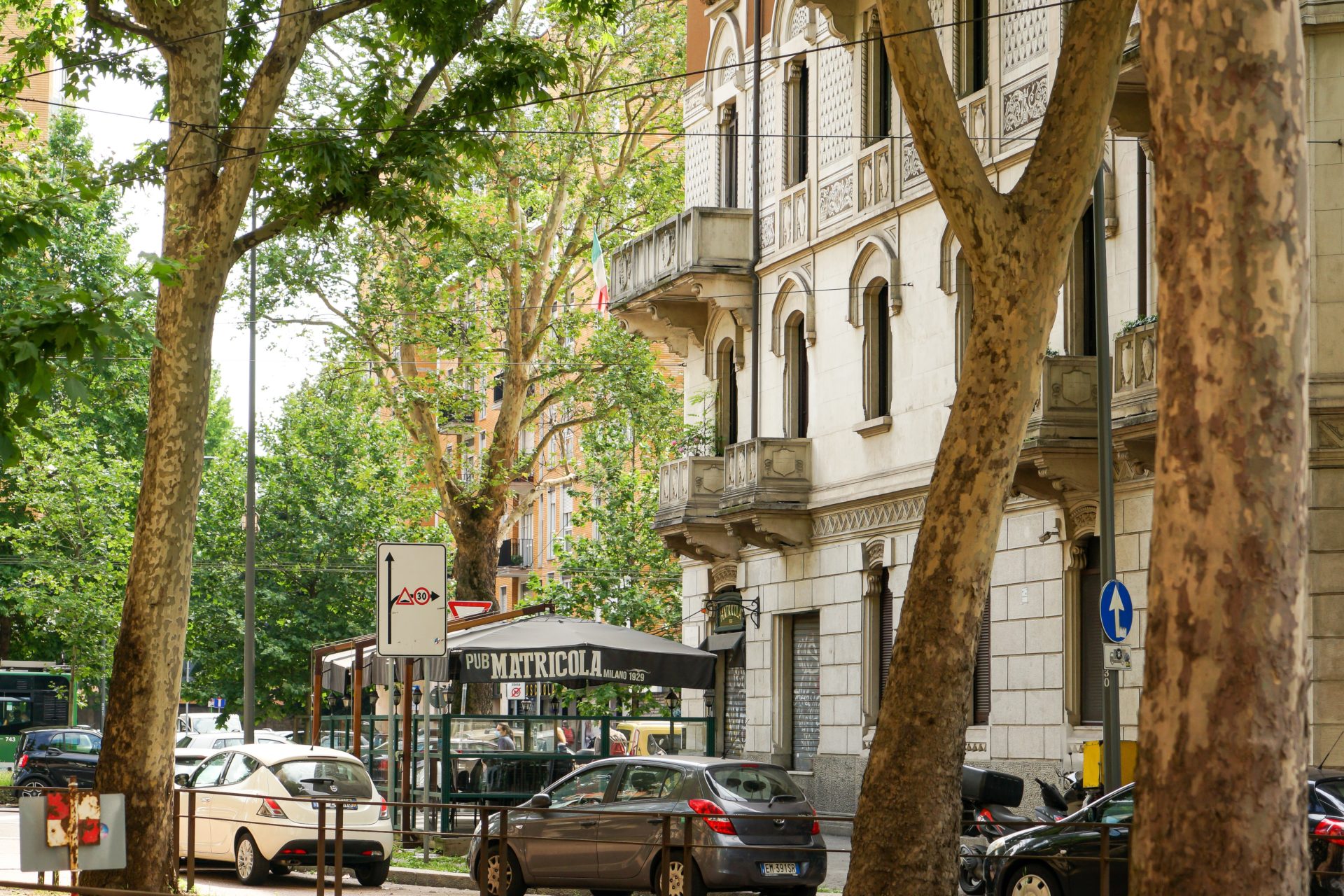
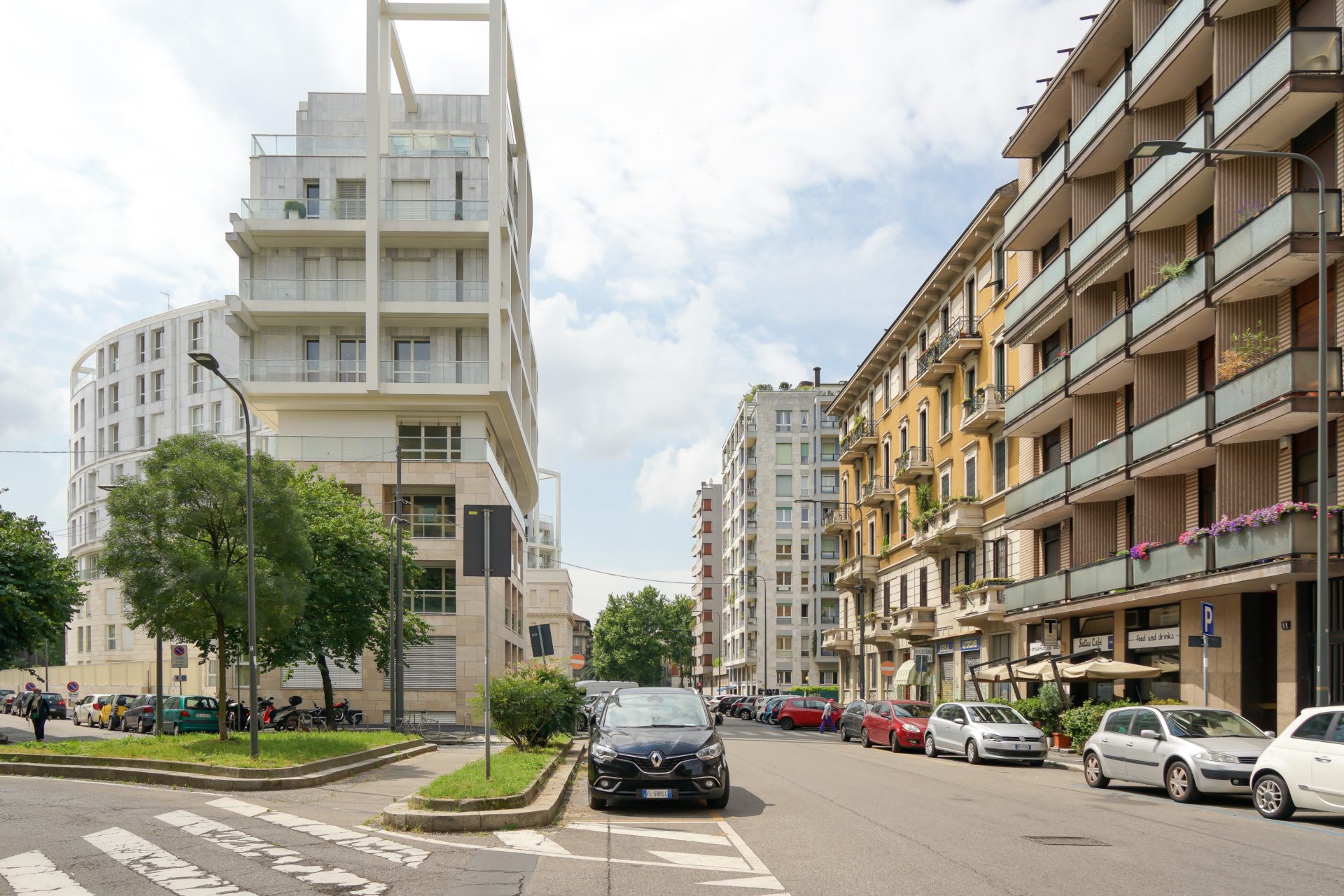
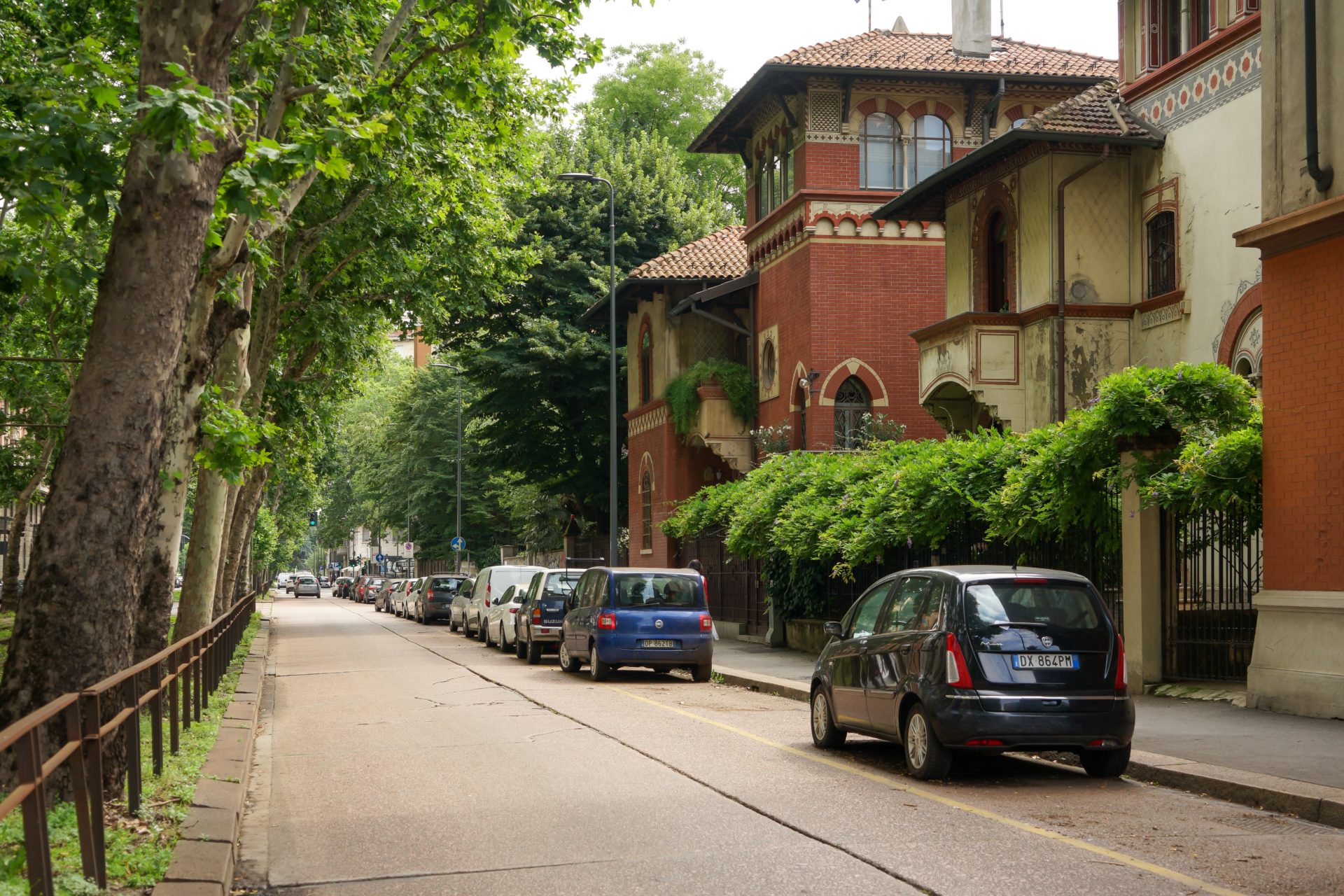
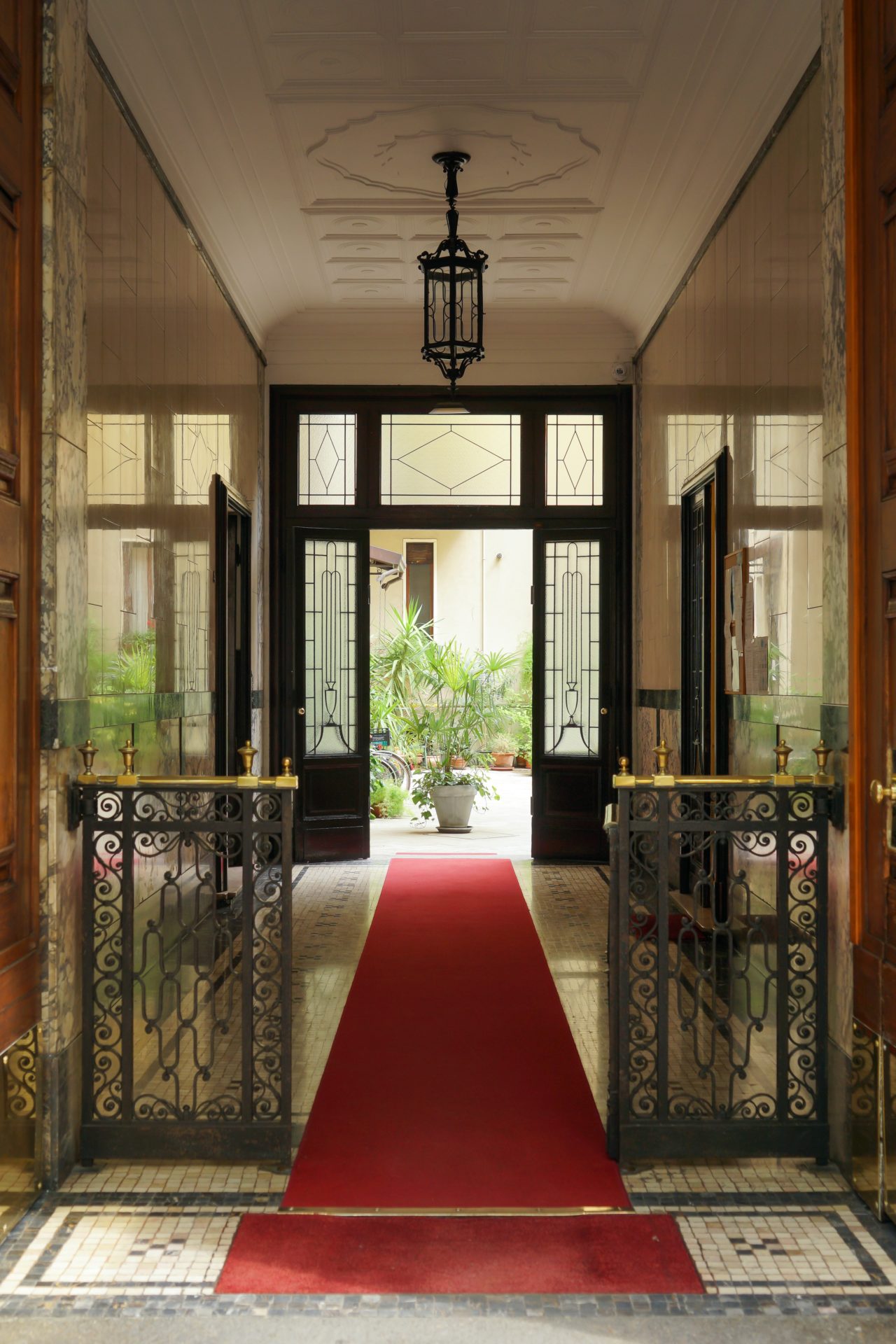
The district provides a mainly residential real estate offer with high-quality buildings which date back to the XX century, where middle-class apartment buildings and villas stand out.
There are also complexes with a more working-class vocation and buildings which have been recently built.
You are going to love…
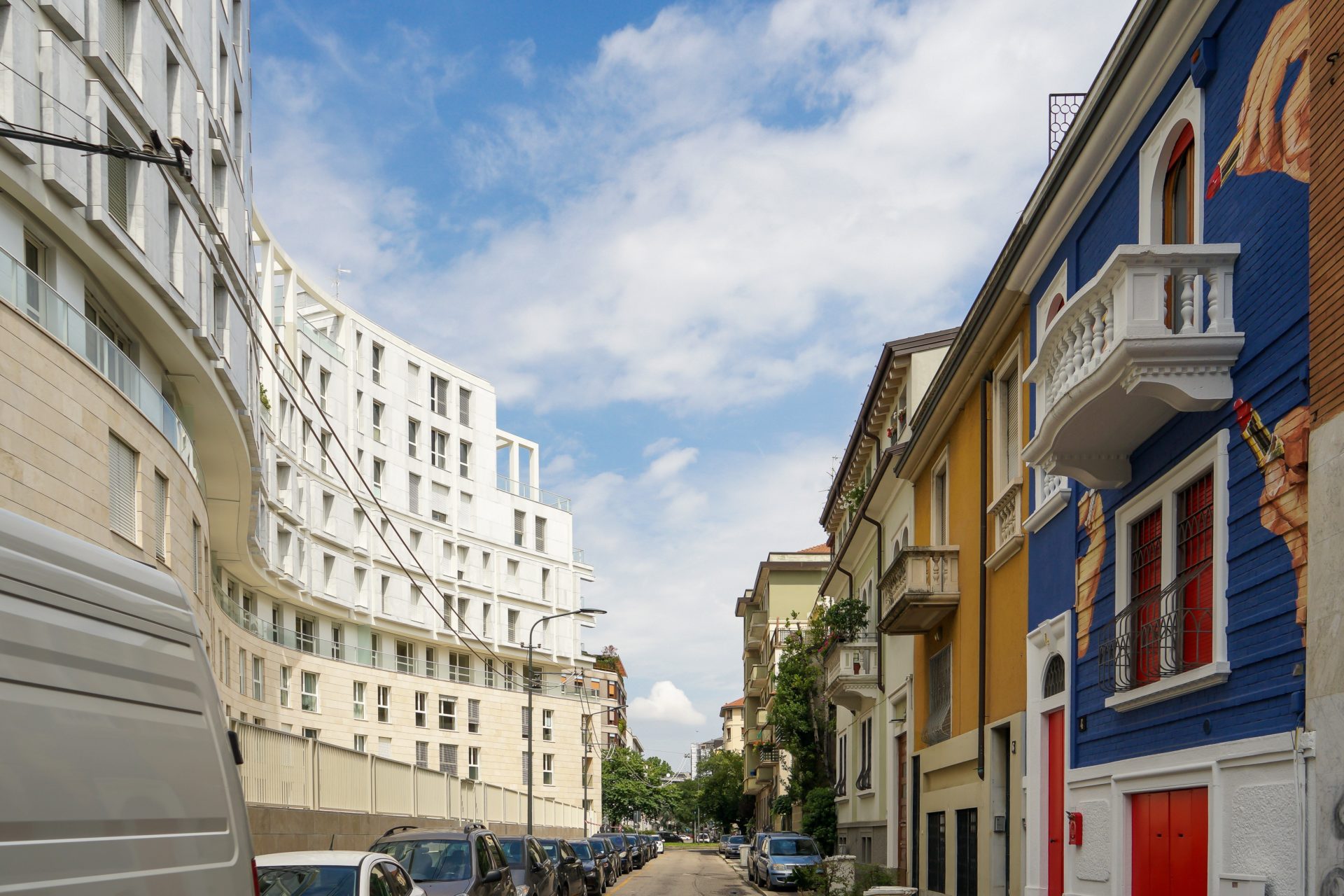
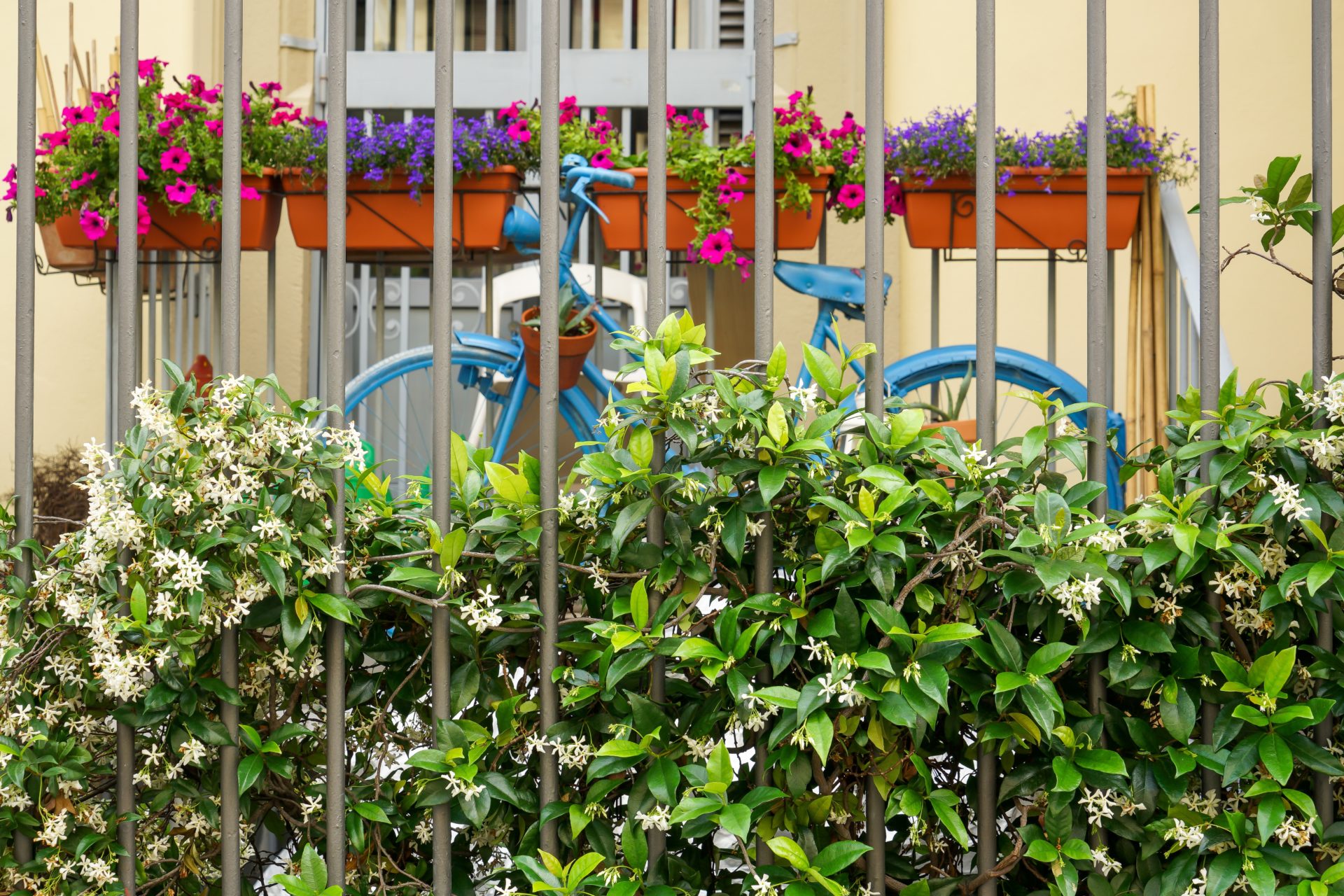
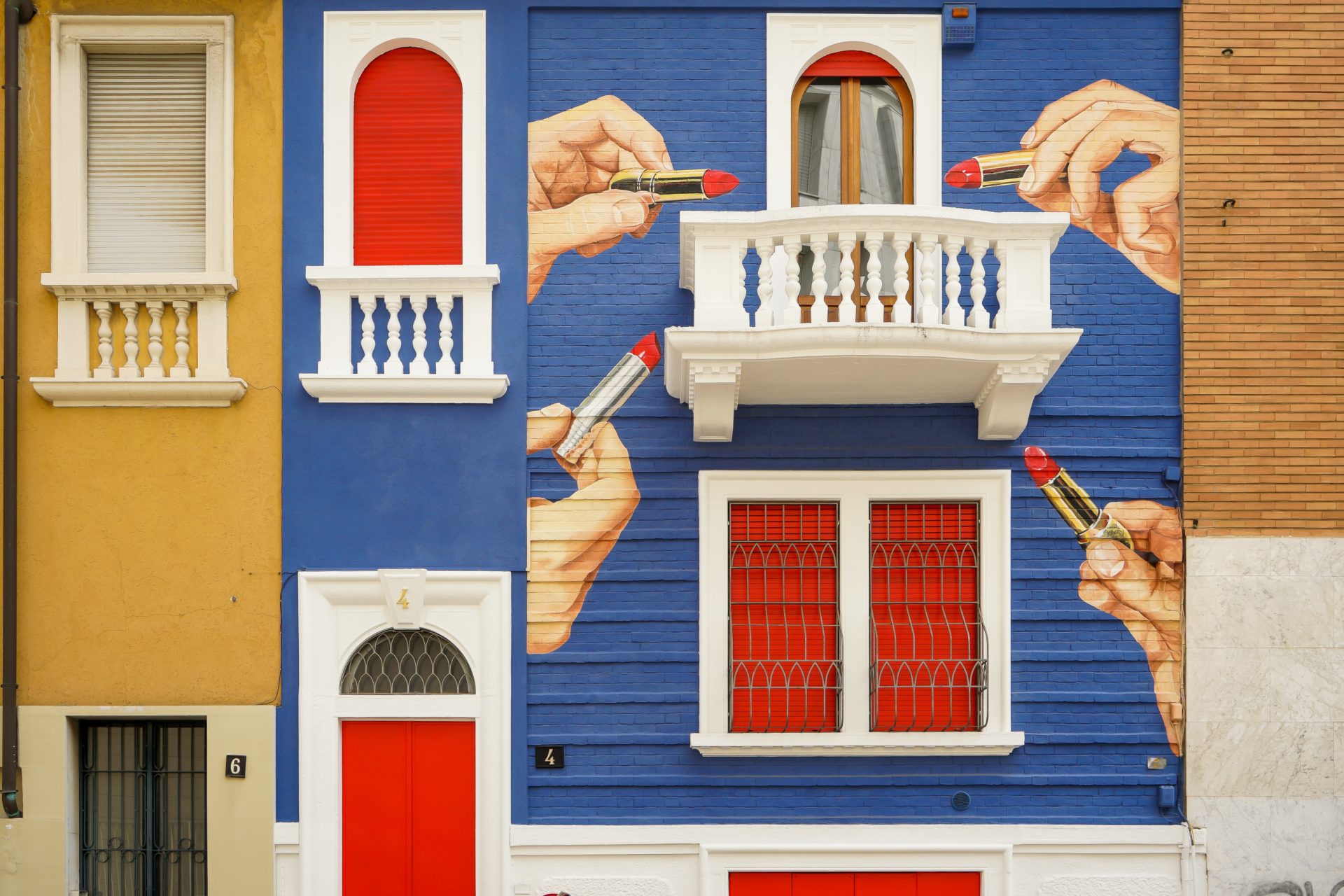
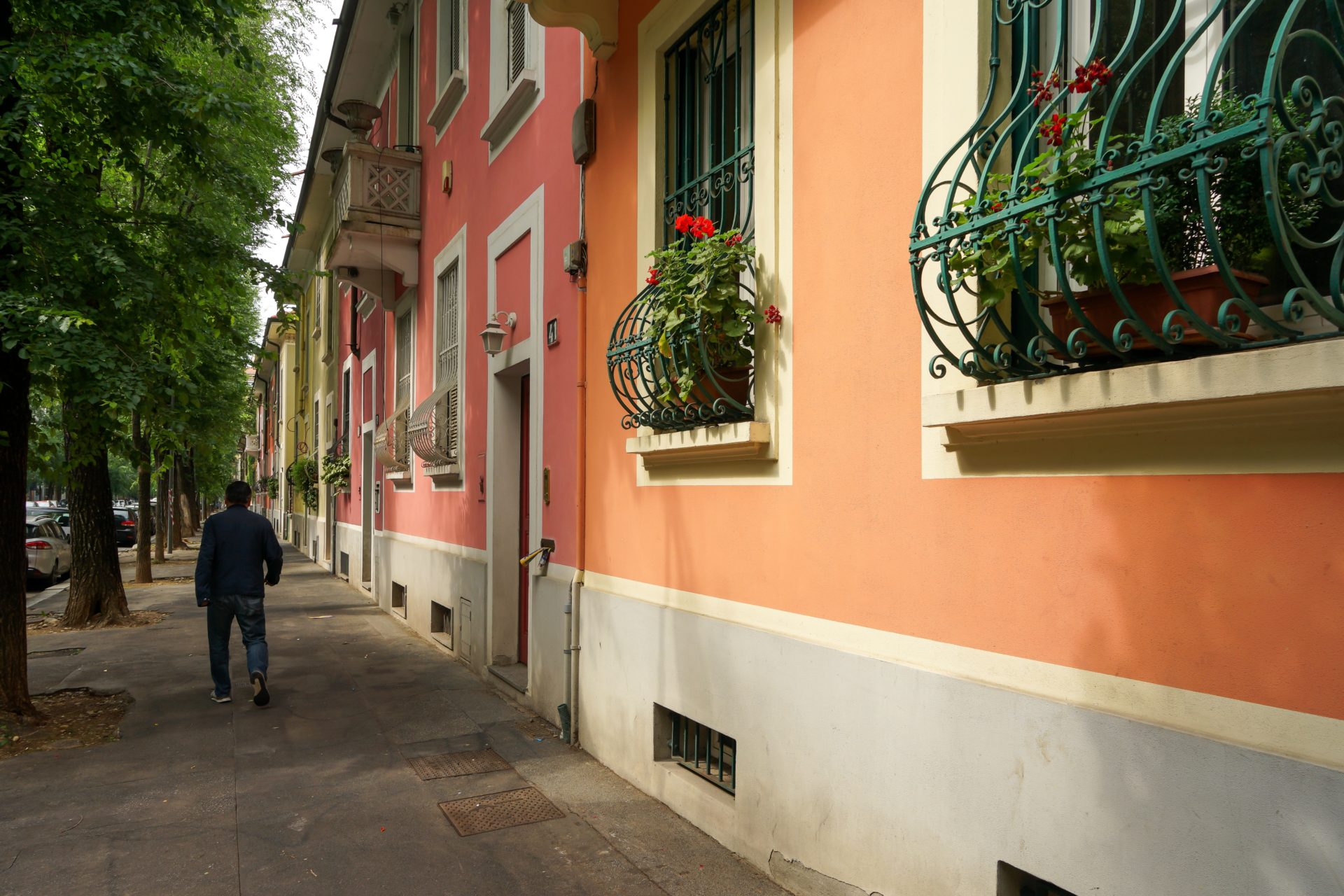
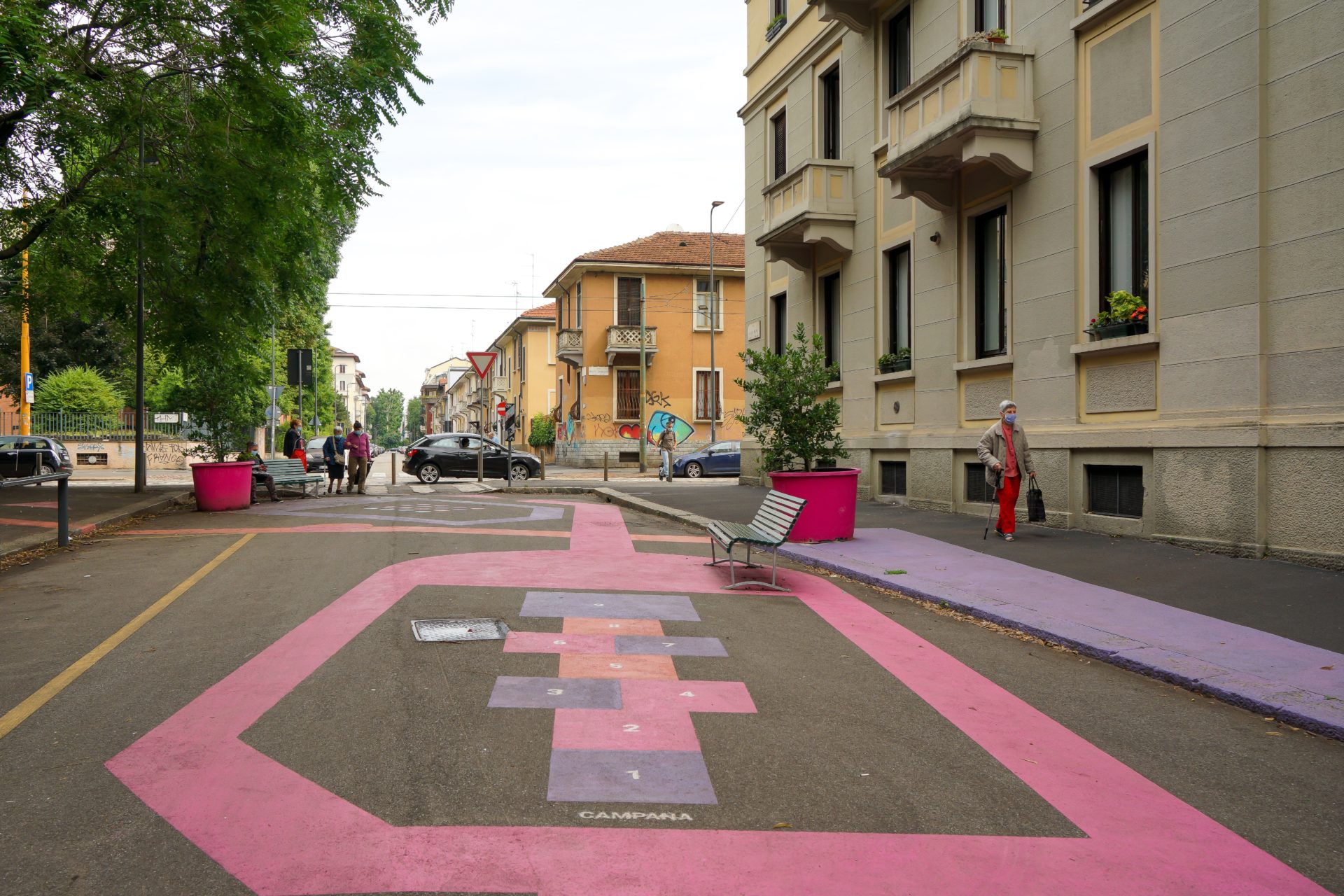
In this area you will love the young and lively atmosphere which can be plenty found around the Politecnico and the colourful villas that brisk Porpora street.
The street art works and some historical pubs are situated next to the more modern and trendy ones, as if they were in contrast.
Behind the corner
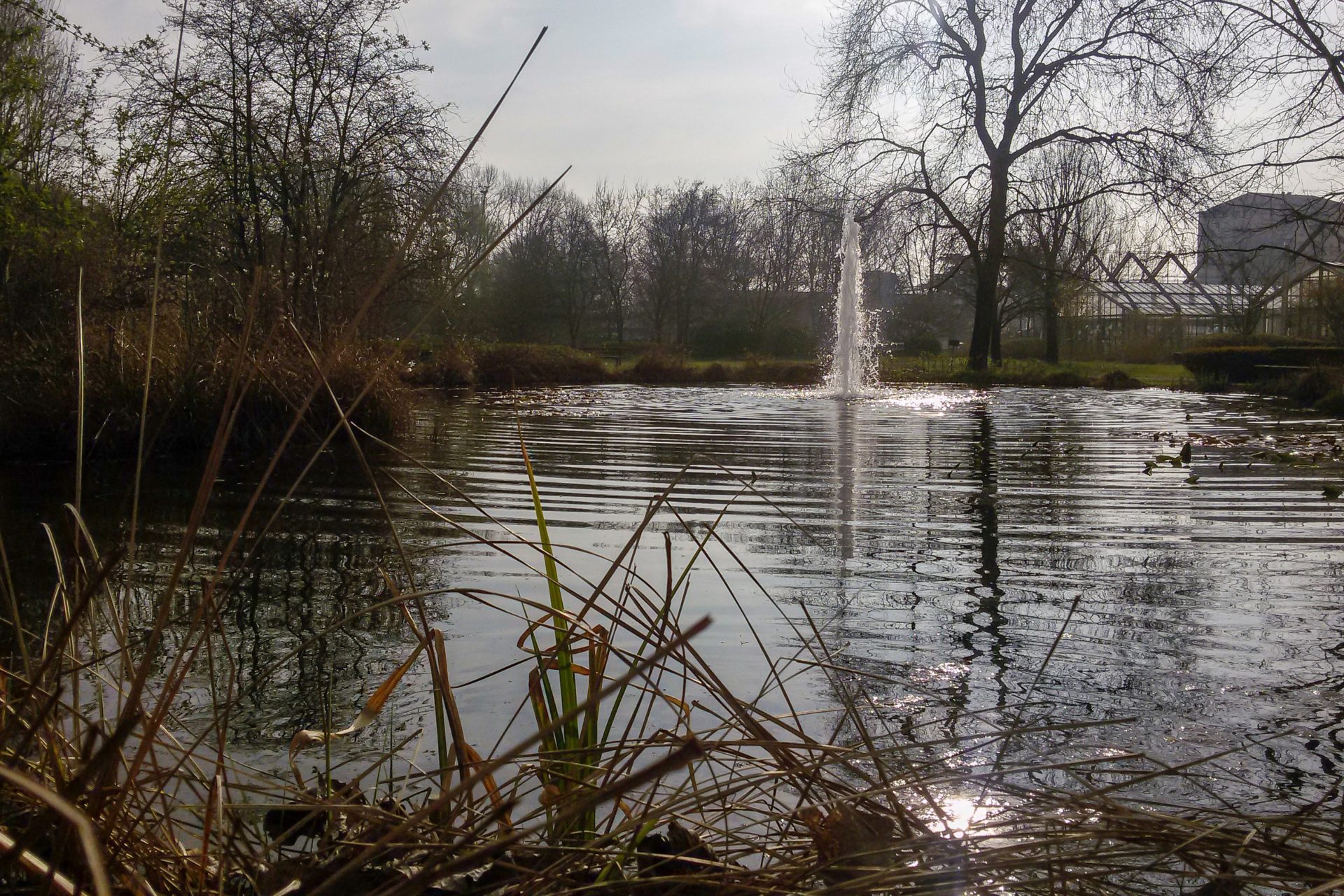
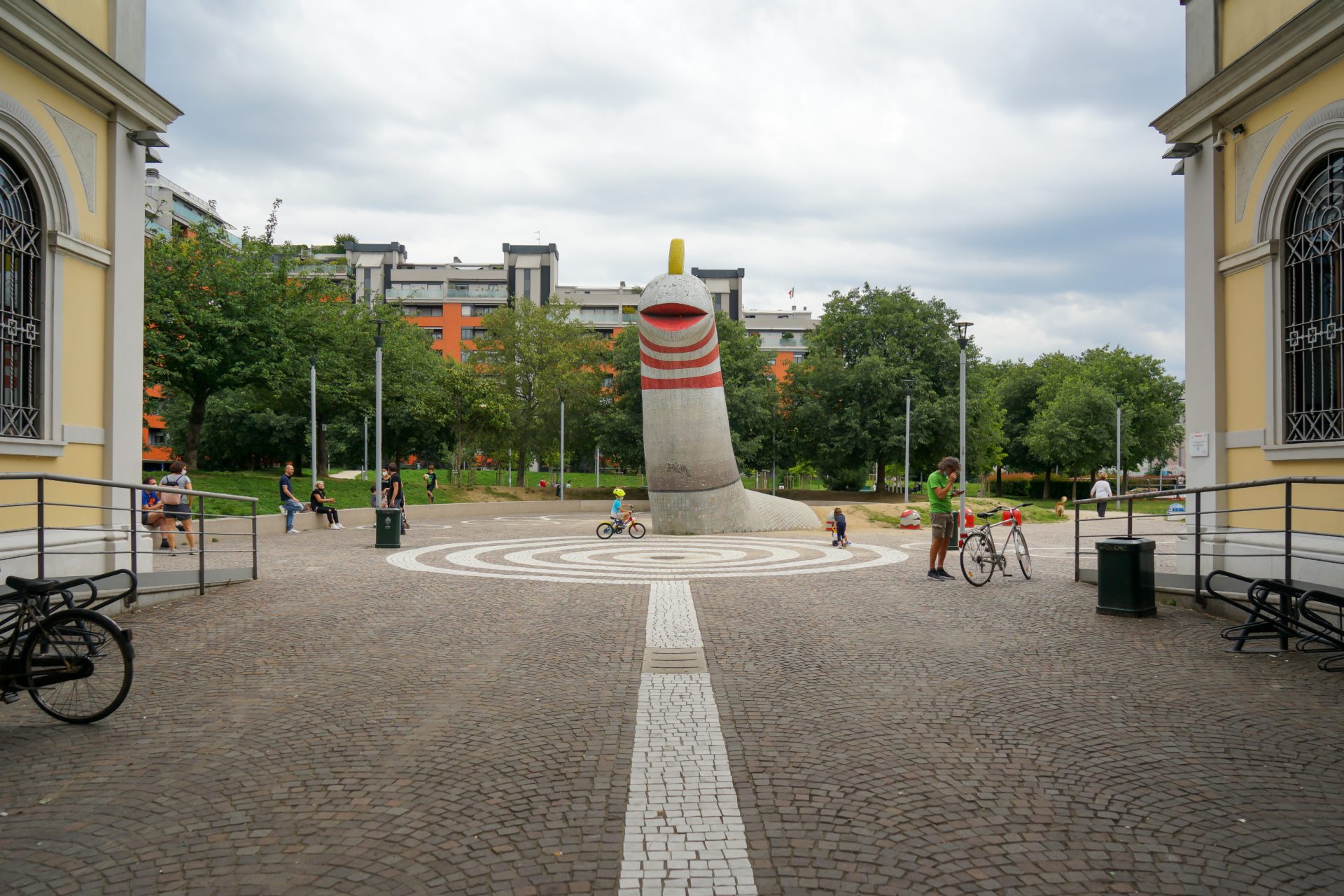
The area is close to the Ortica district, which has become the first “district museum” of the world, and the Parco Trotter, which has been recently included in the promoting Environmental Assets by FAI. Not too far from it there are the Casa Museo Boschi Di Stefano, the shopping district in Buenos Aires avenue and the Parco Formentano.