

Udine, Lambrate
Milan
An area with an industrial past, once home to important factories like Innocenti and Richard Ginori, with urban fabric mainly made of council houses. Nowadays, after years of decay, this area is living a strong redeveloping phase and is protagonist of innovative projects like Or.Me, which made Ortica the first district museum in the world.
Key Details
What to expect
Lifestyle
What not to expect
Real estate market
You are going to fall in love with
Keywords
Commute times
Duomo: 26 min. by car, 18 min. by public transportation
Castello Sforzesco: 25 min. by car, 18 min. by public transportation
Cadorna Station: 27 min. by car, 17 min. by public transportation
Porta Genova Station: 31 min. by car, 22 min. by public transportation
Milano Malpensa: 51 min. by car, 1h 11min. by public transportation
Milano Linate: 10 min. by car, 17 min. by public transportation
Transportations
Closest underground lines
Line 2 (Udine Stop)
Surface Transport
Not well connected to the public transportation
Railroad Service
Lambrate railway station
Highways and freeways
7 min from the A1, 25 min from the A4, 20 min from A7, 25 min from A8, 4 min from the East freeway, 13 min from West freeway, 20 min from North freeway
Boundaries
East: Railroad
West: Milano 2
North: Palmanova avenue, Crescenzago street, Civitavecchia street, Rizzoli street
South: Gatto street, Forlanini avenue
Neighborhood areas
Cimiano
Pasteur, Rovereto
Città Studi, Susa
Forlanini
A walk through the district
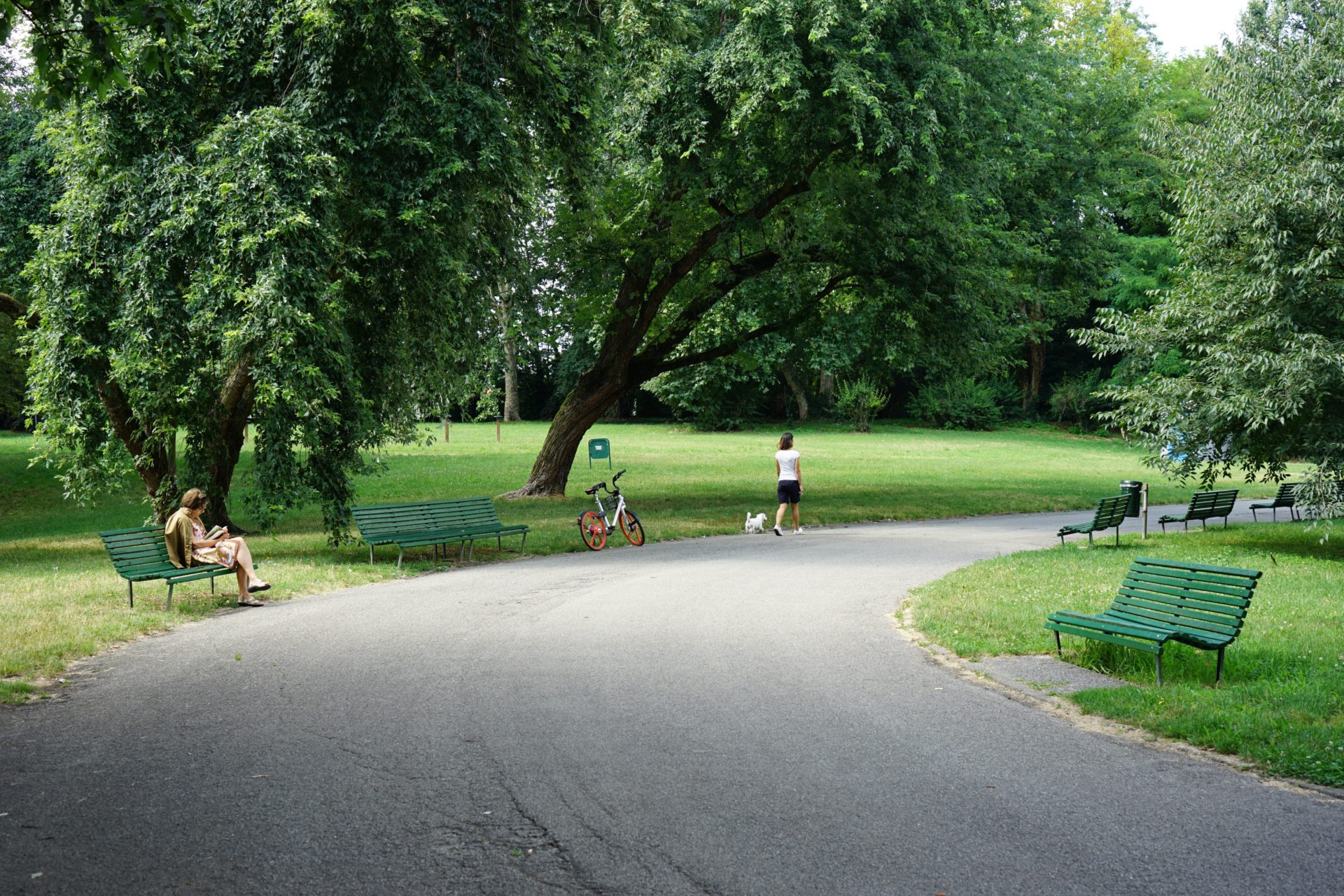
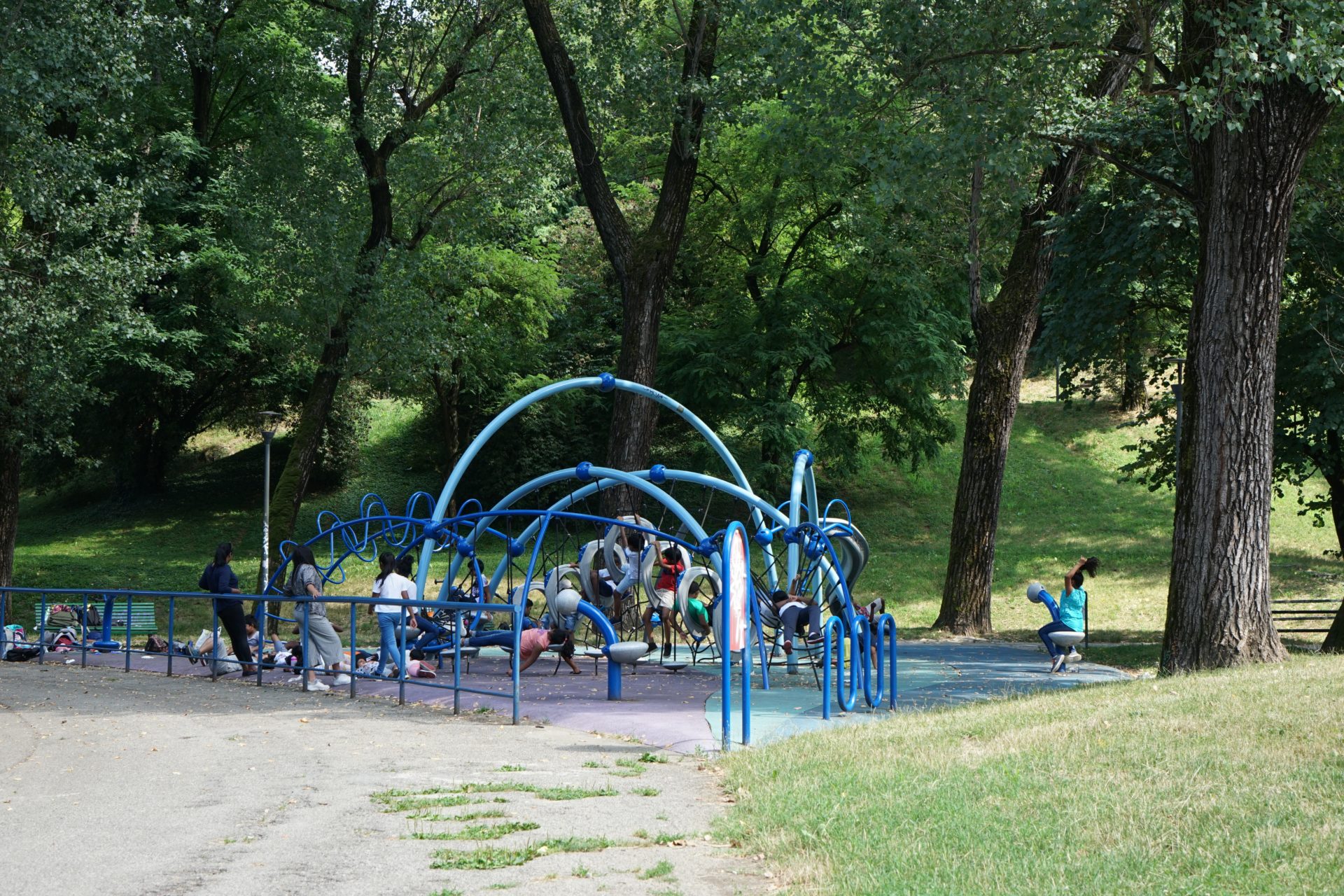
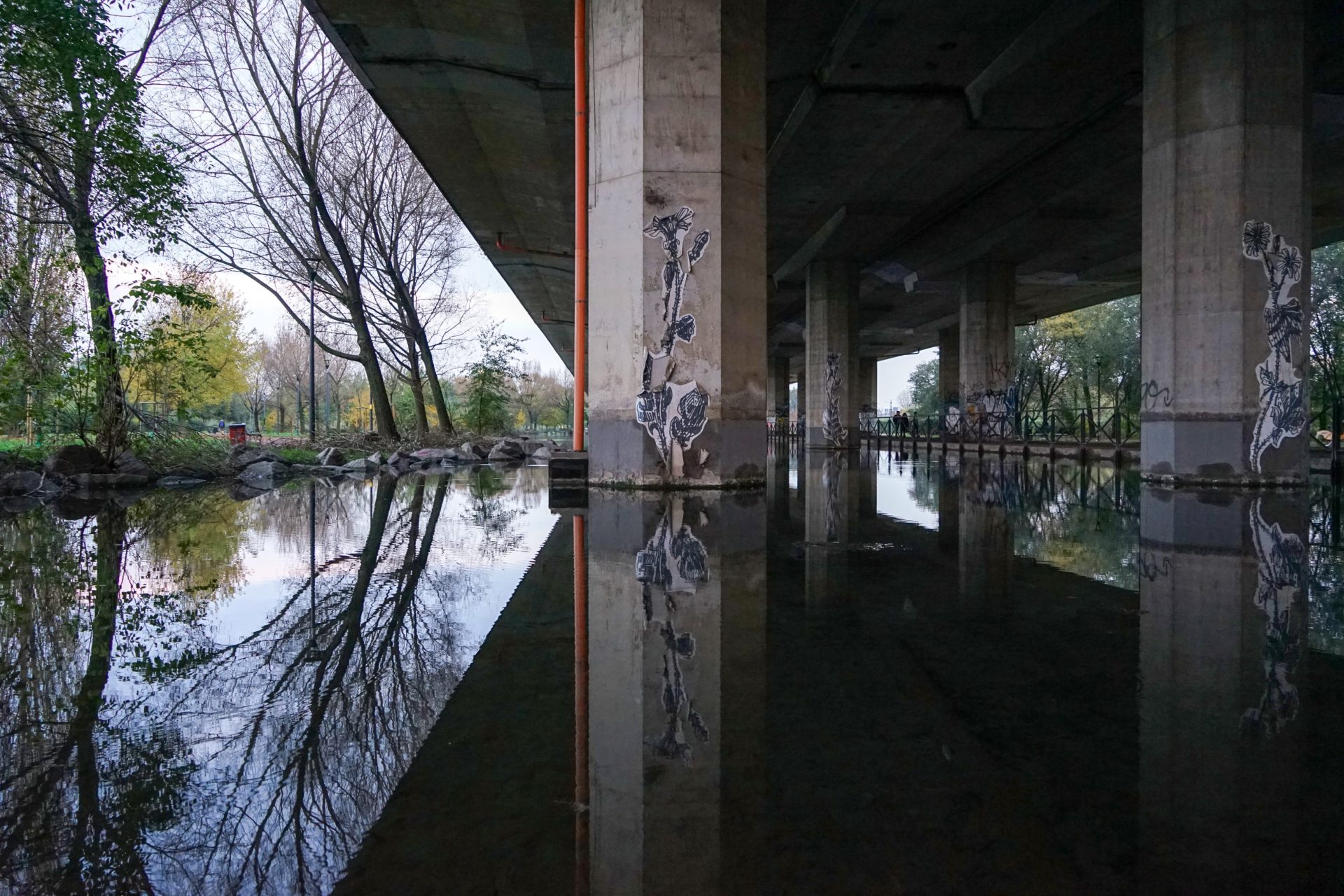
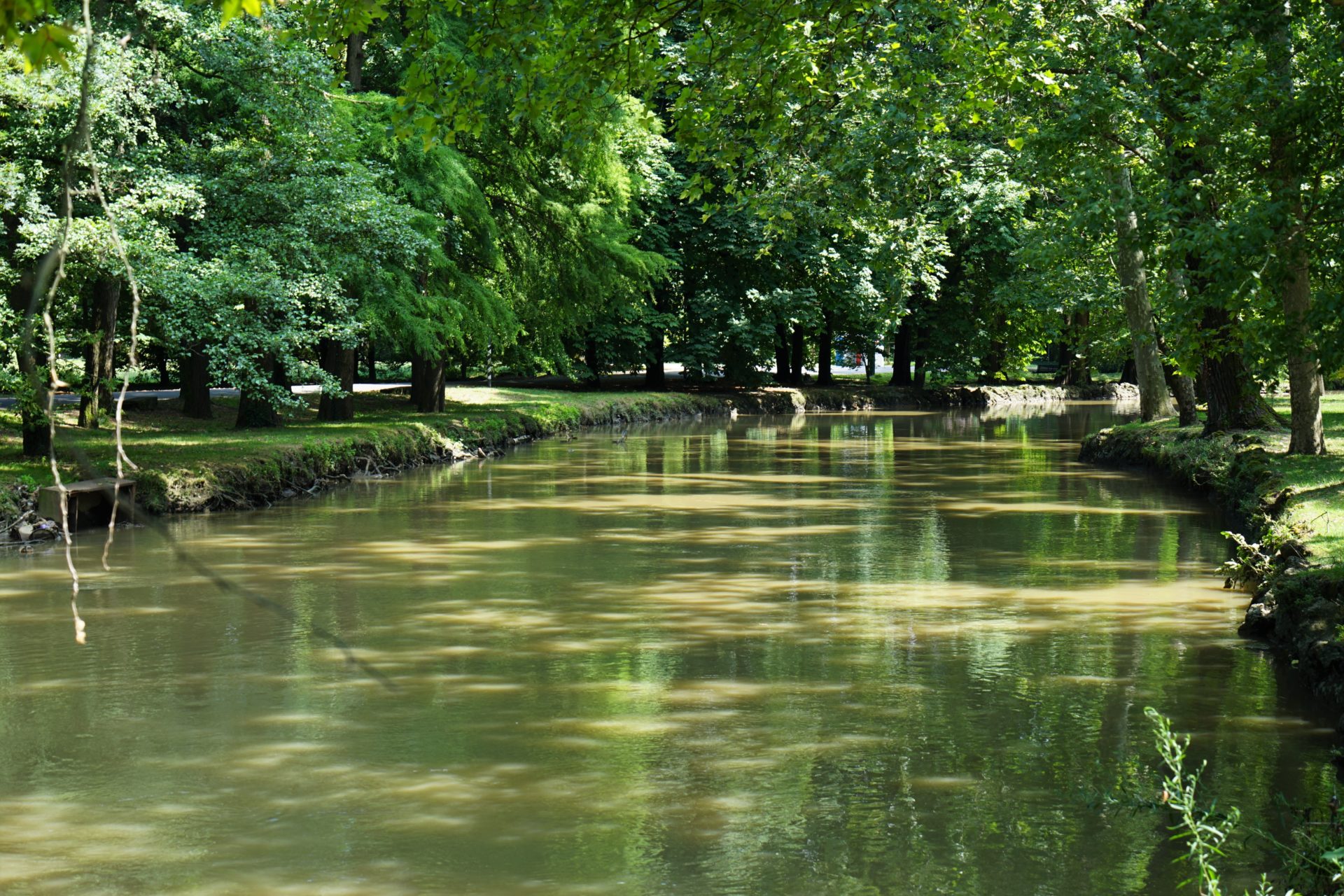
An area crossed by the Lambro river and the railroad, where a new generation of young creatives is redeveloping former factories and council houses. The presence of water and the vicinity to the countryside have made it possible to create important green lungs.
What to expect
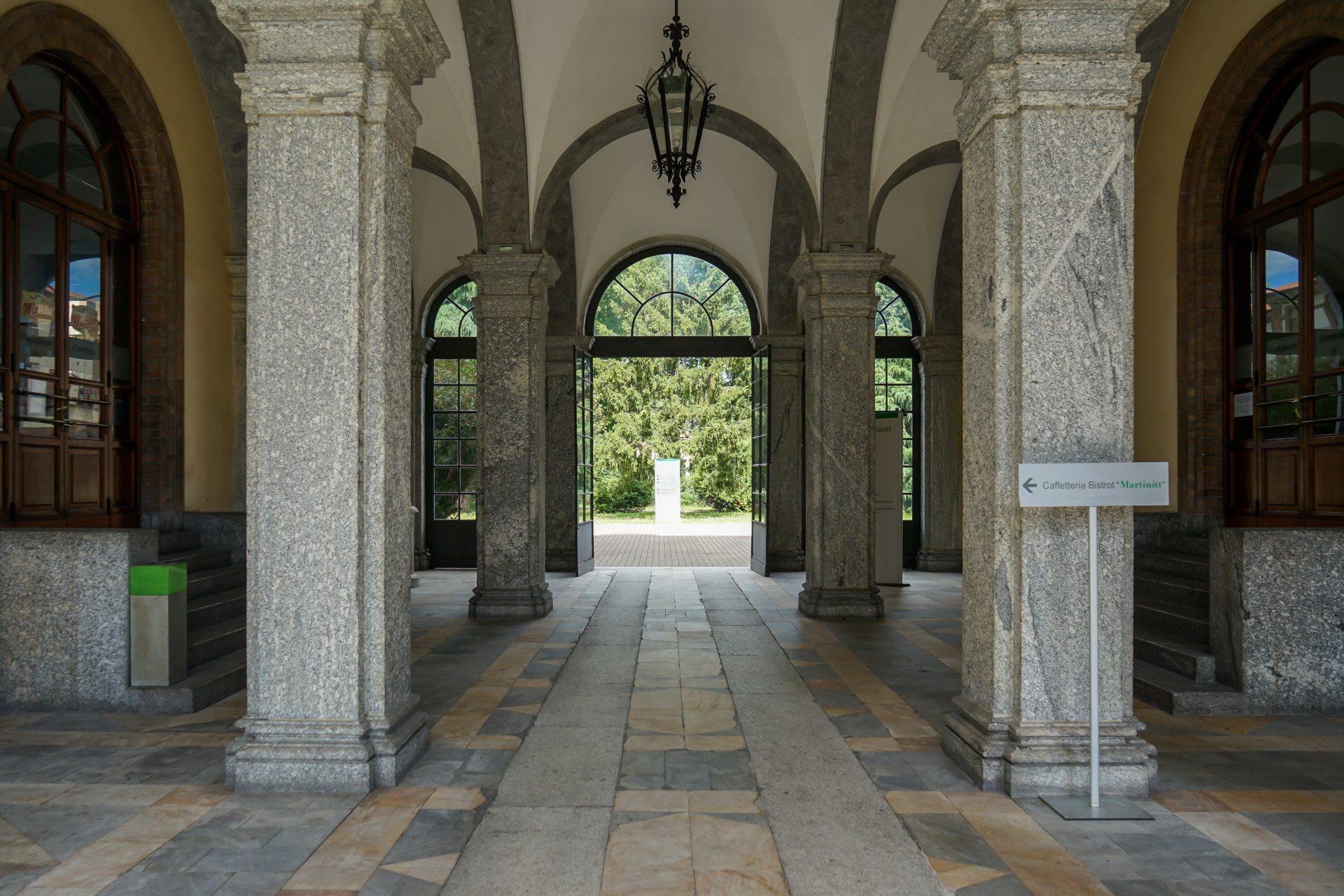
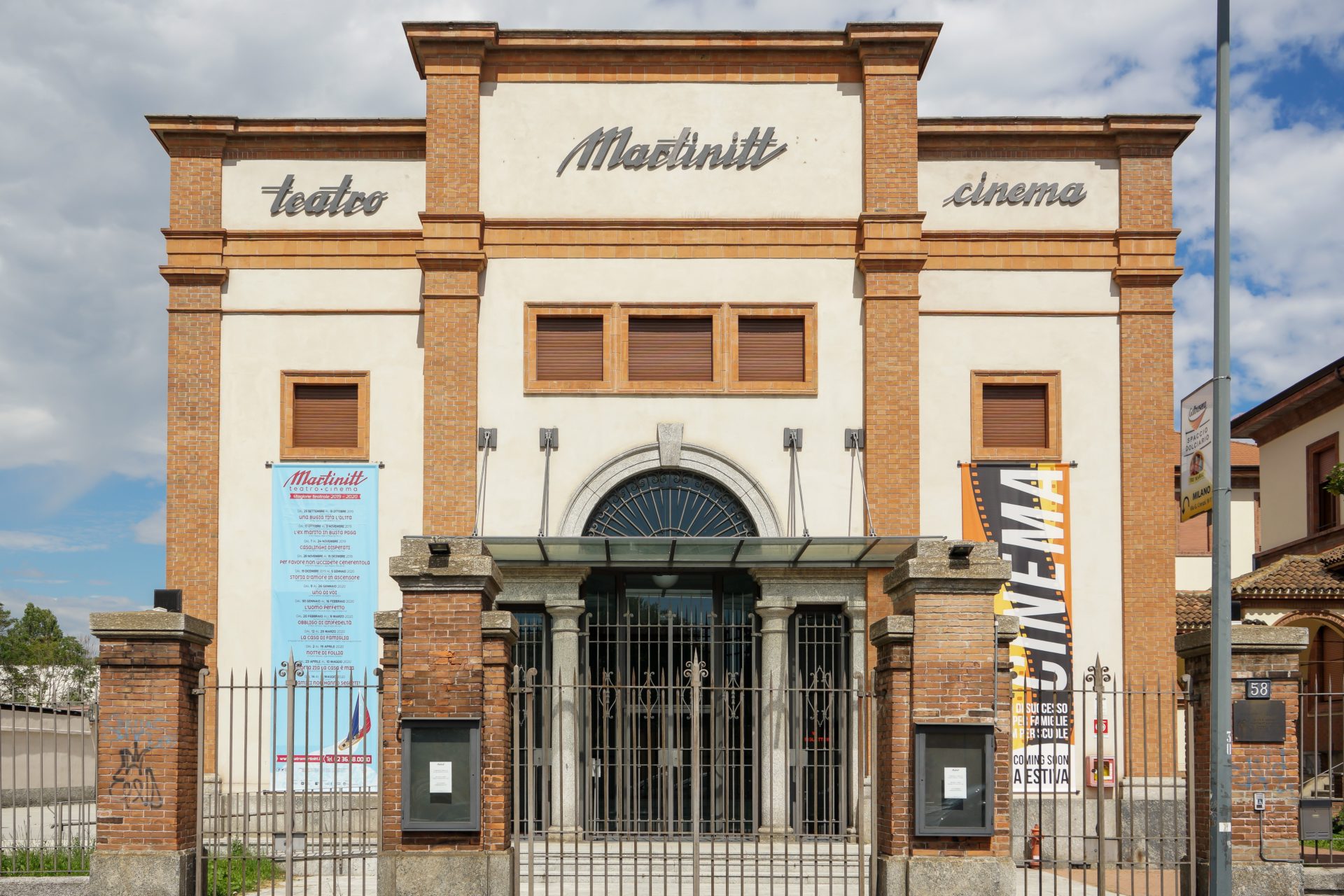
The industial past of the area left an important legacy with regards to professional training schools. This il also the place where the Martinitt, Milan’s first, was opened in 1532.
Lifestyle
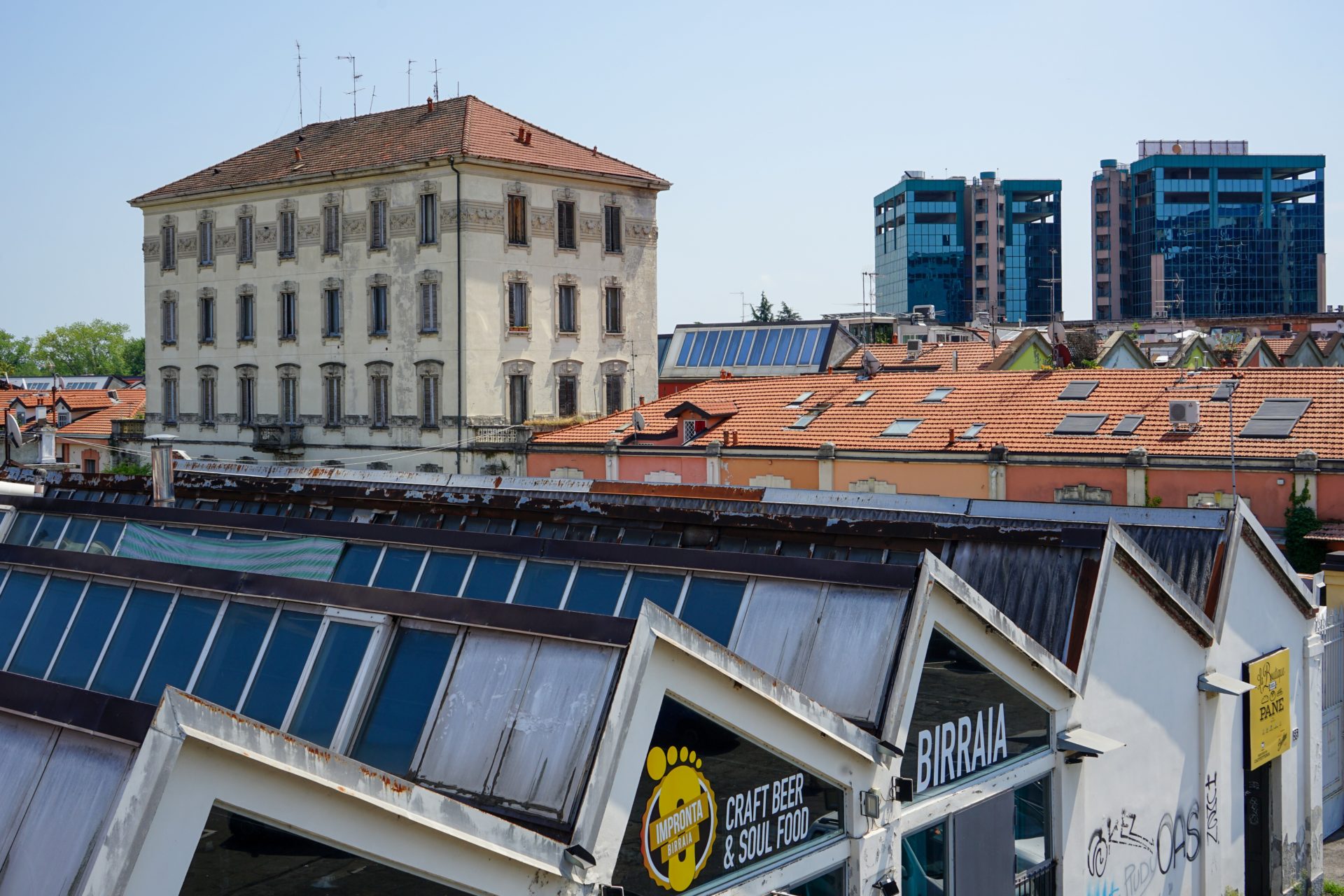
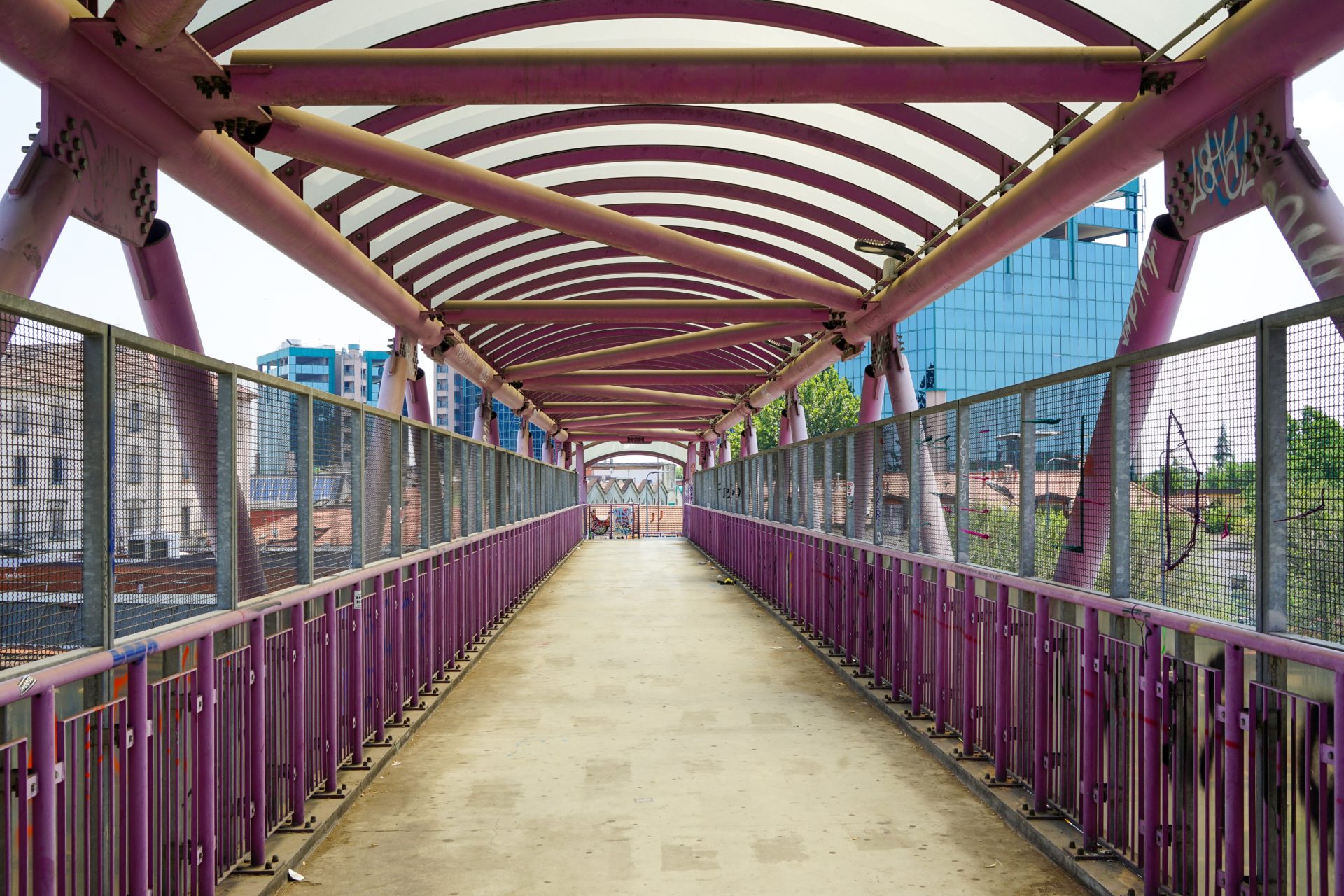
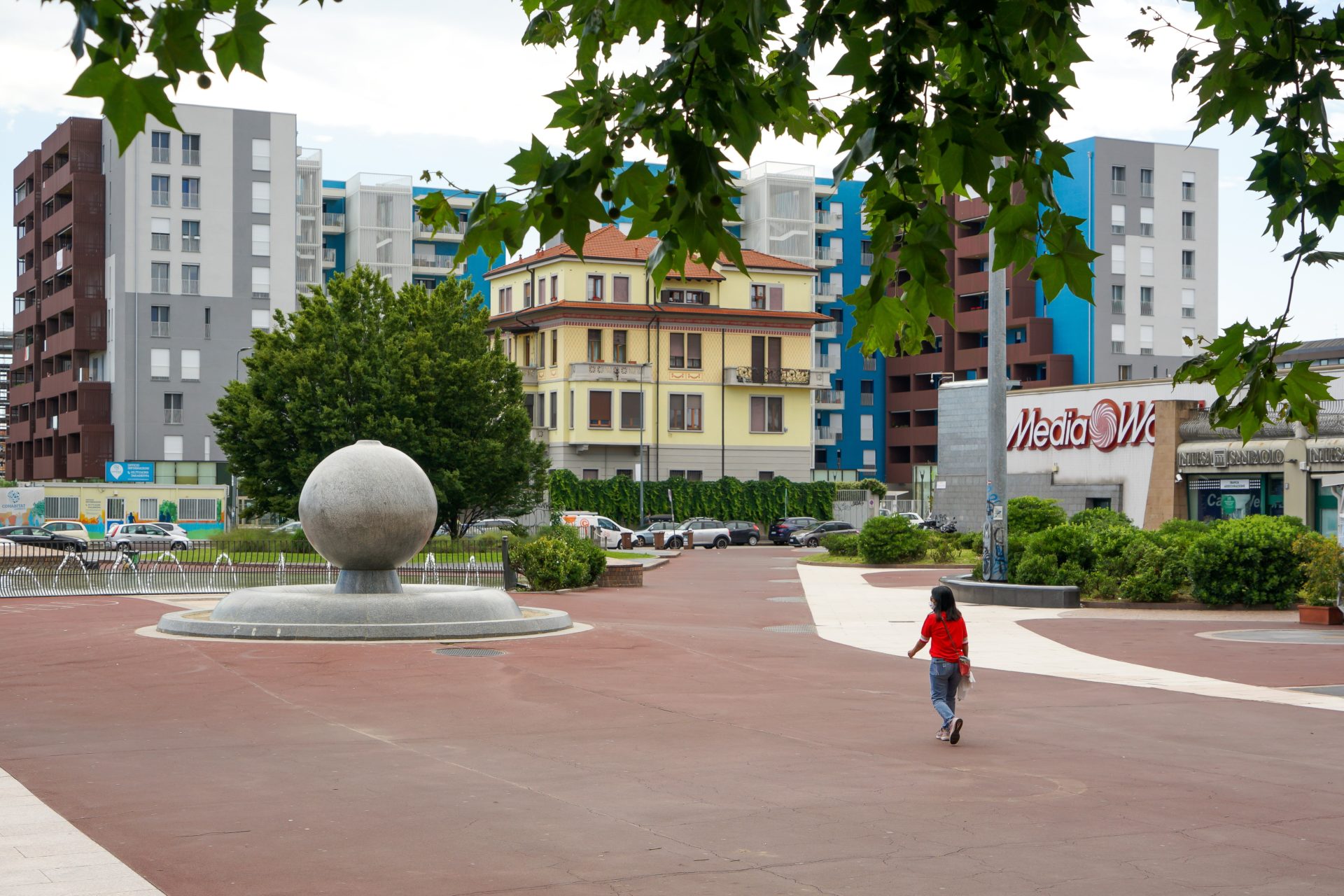
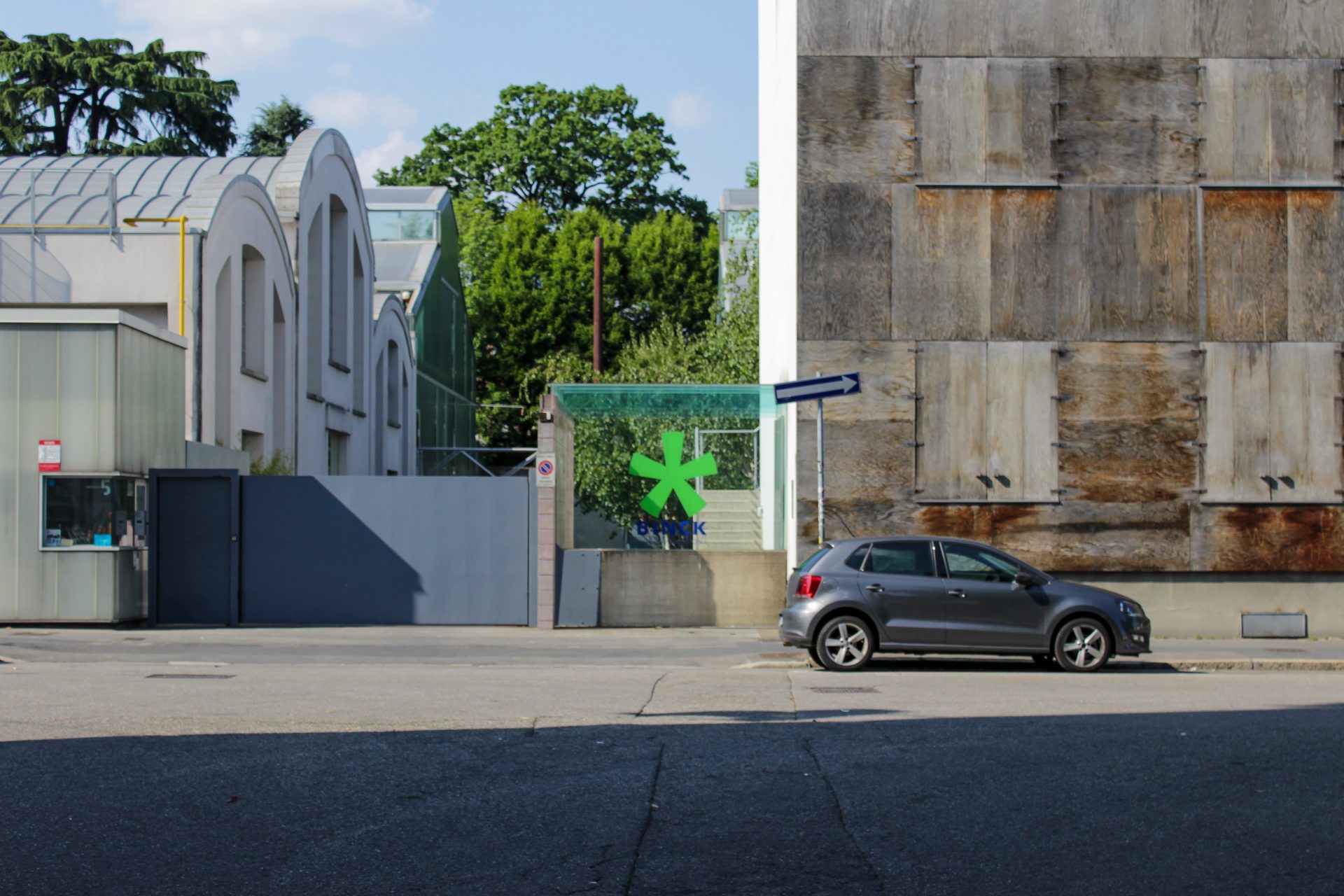
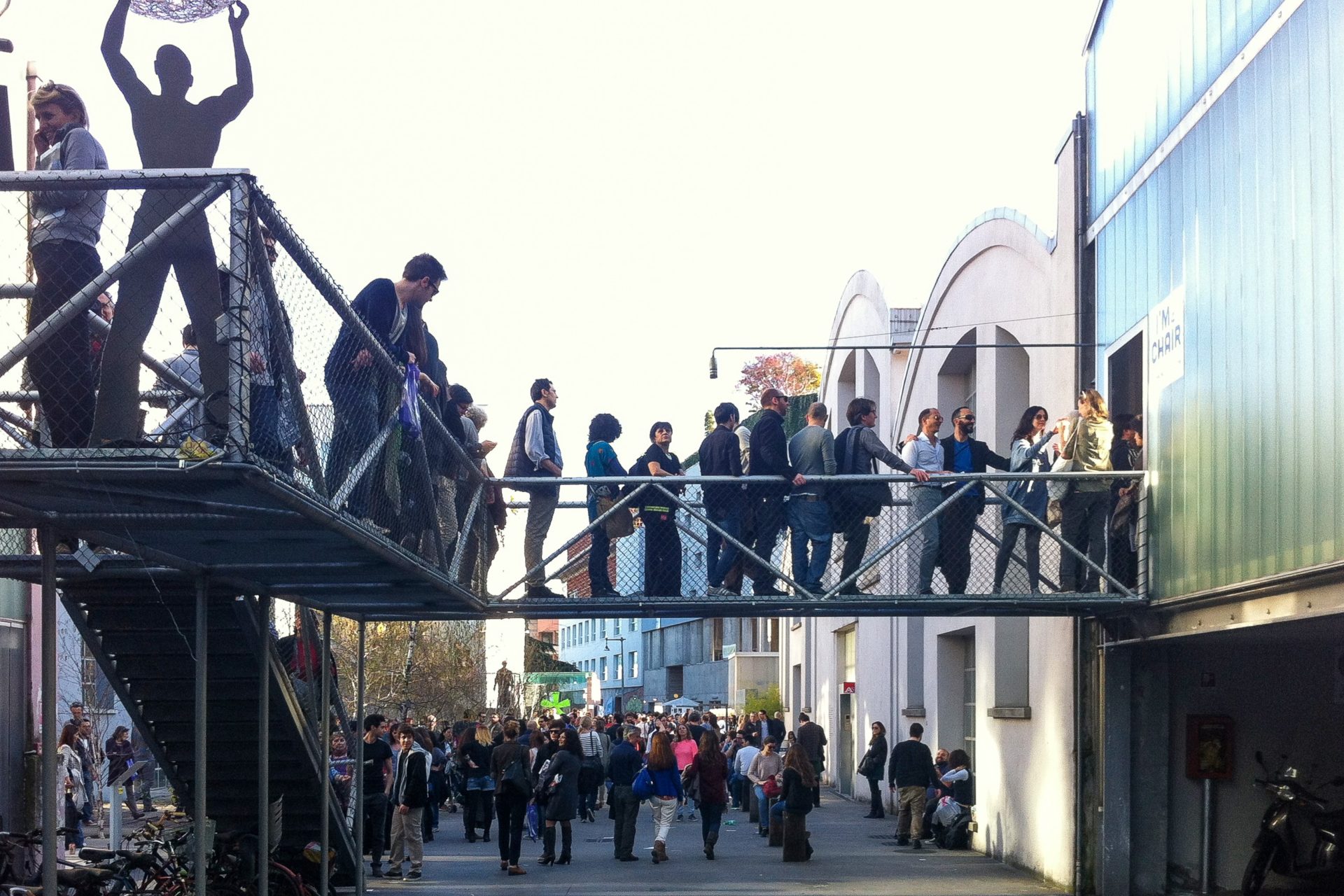
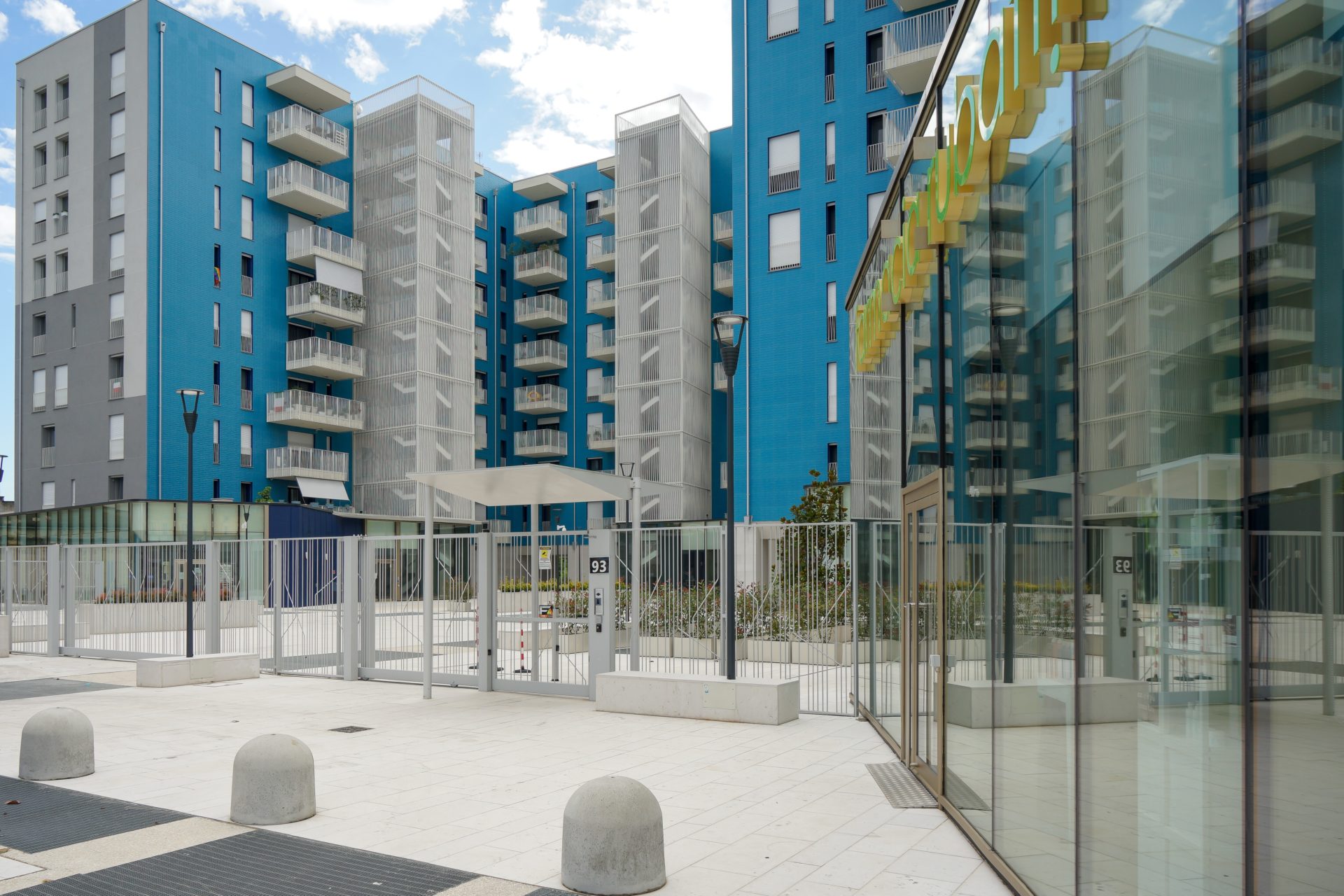
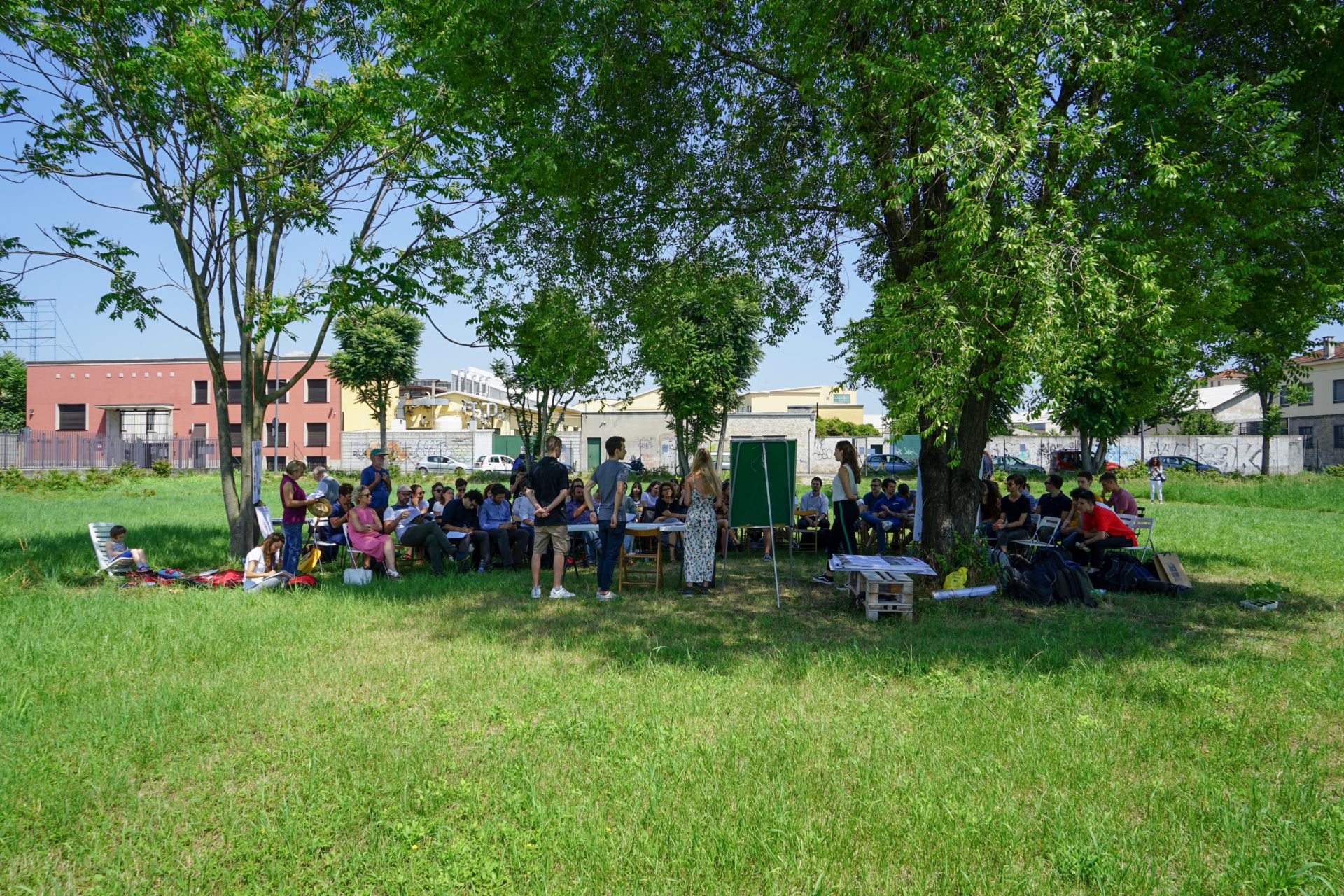
The neighbourhood is currently undergoing redevelopment processes; in the Palmanova area, for example, new social housing initiatives have been implemented in addition to the expansion of the RCS headquarters and a project for the reorganization and enhancement of the Lambro banks is currently under way (ReLambro). Thanks to the redevelopment of the ex Faema spaces and the opening of the East Market, Lambrate was chosen to host many creative and local realities and became one of the districts of the Fuorisalone.
The Unexpected
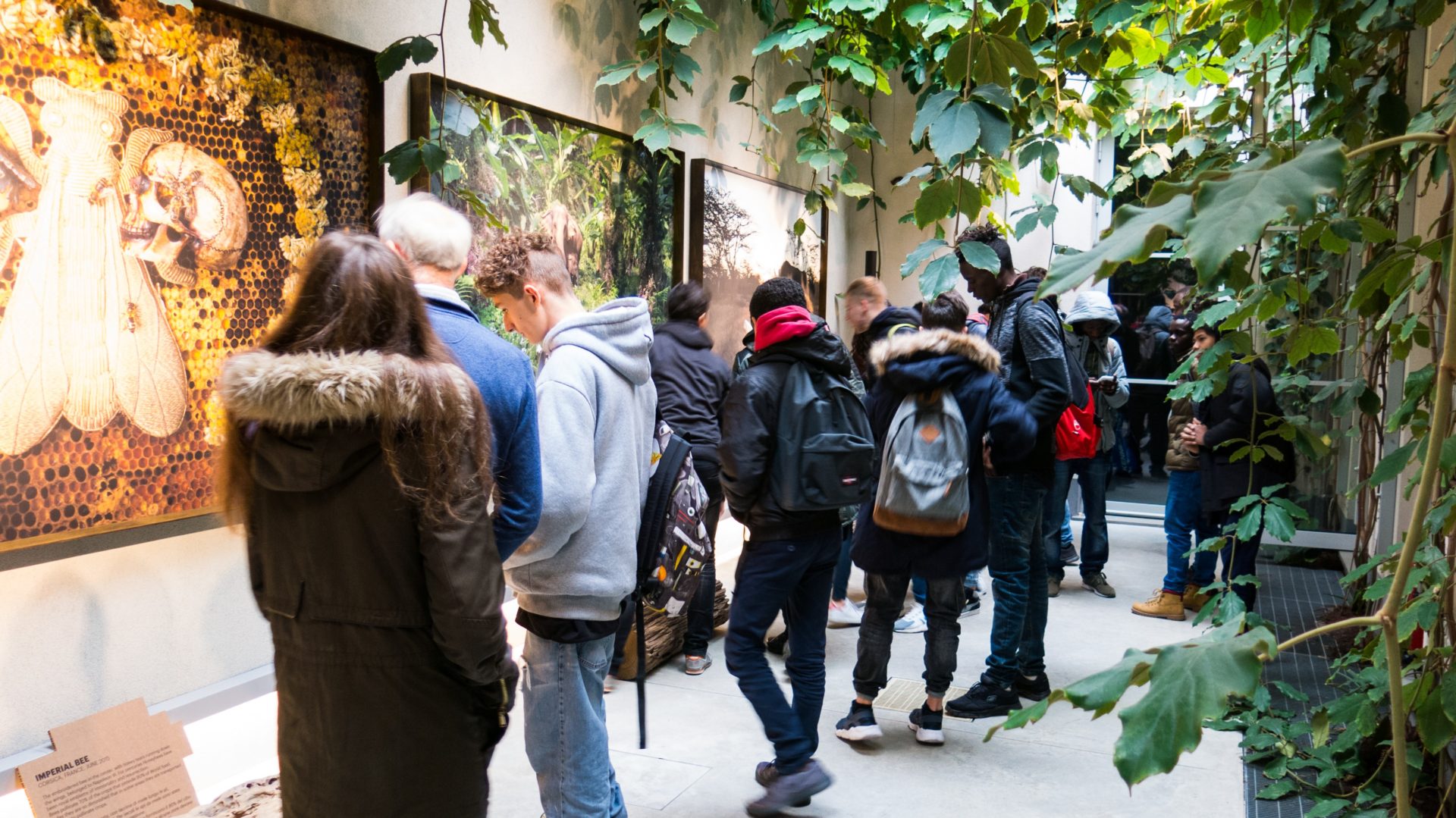
The Cittadella Cristiana di Cimiano, together with the San Gerolamo Emiliani Church and the educational and welfare structures behind it, is a key meeting point where the association Opera Don Calabria organizes schools and professional training courses. In the mid ‘80s, don Antonio Mazzi started the Fondazione Exodus, a project for drug rehabilitation. Not to miss is the project One Planet One Future, which uses the universal language of art to increase the awareness of the threats that men cause against our planet.
Real Estate market
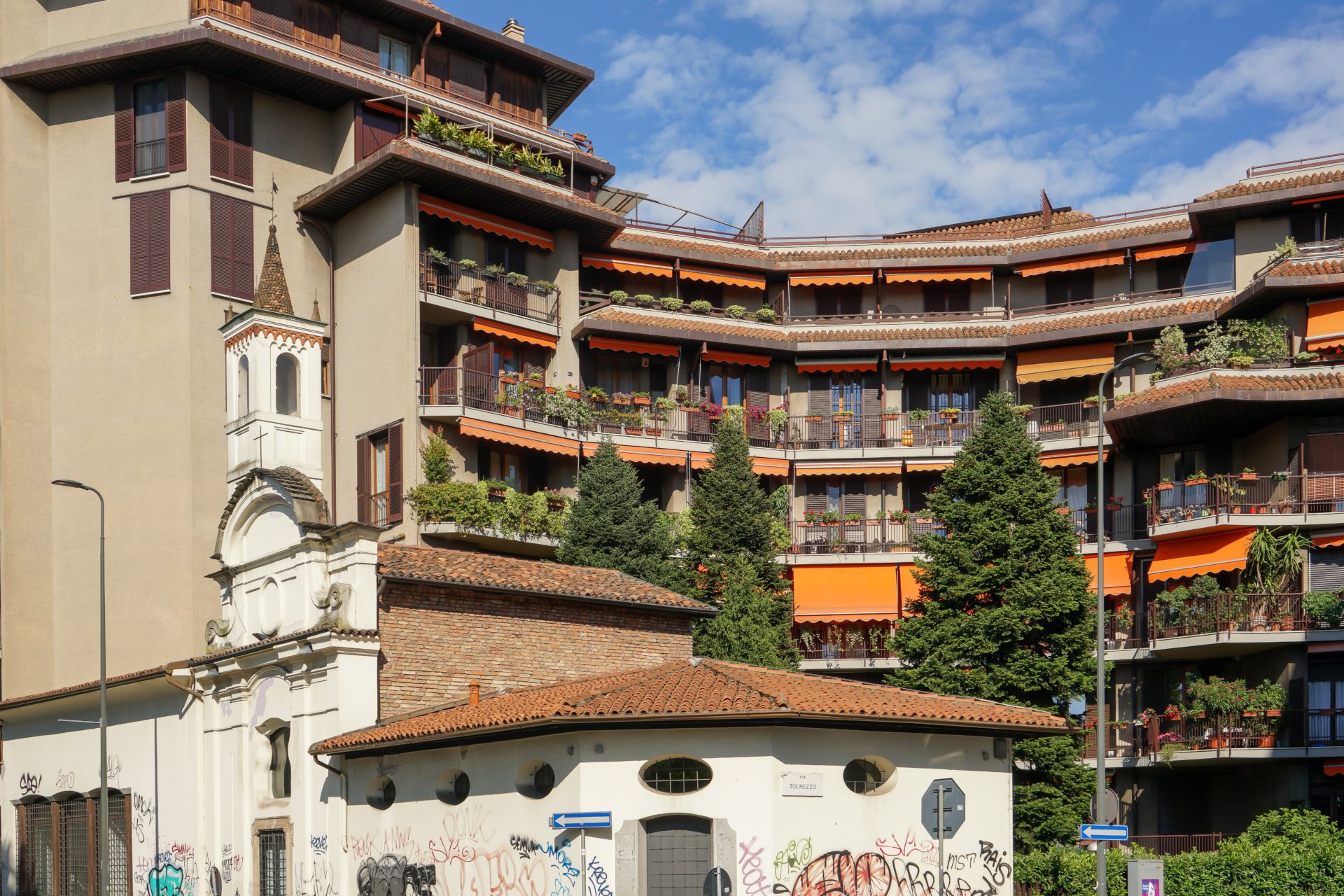
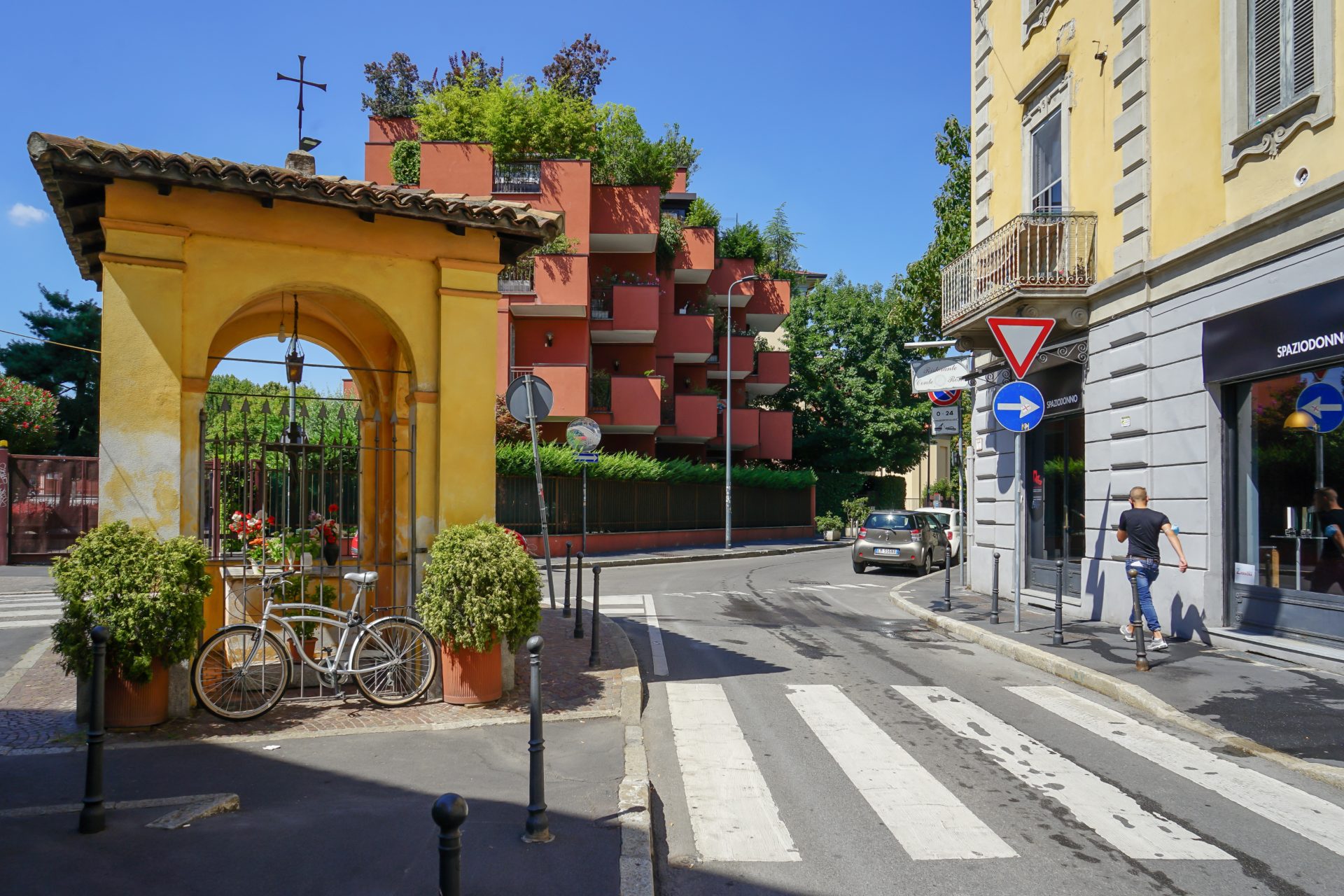
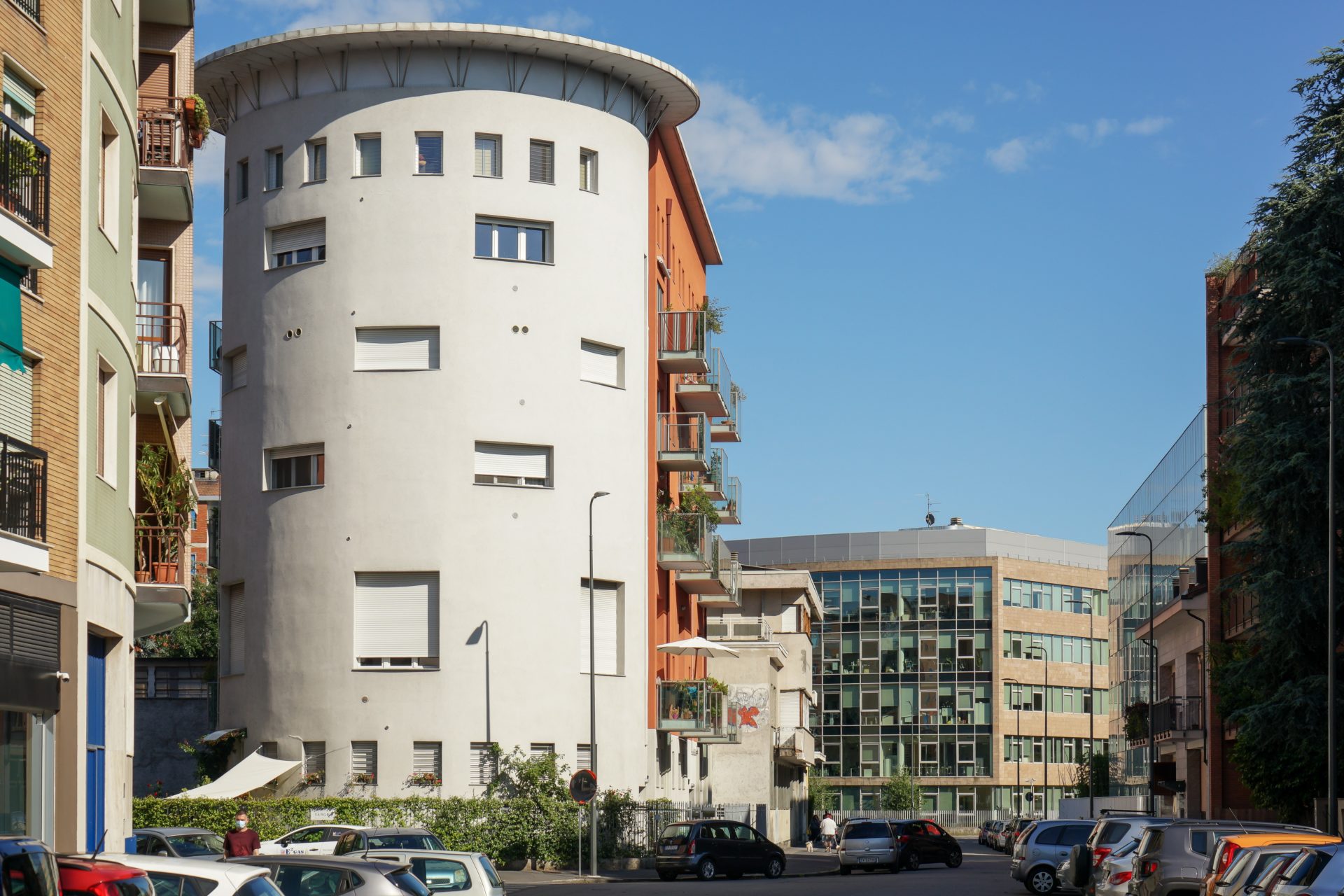
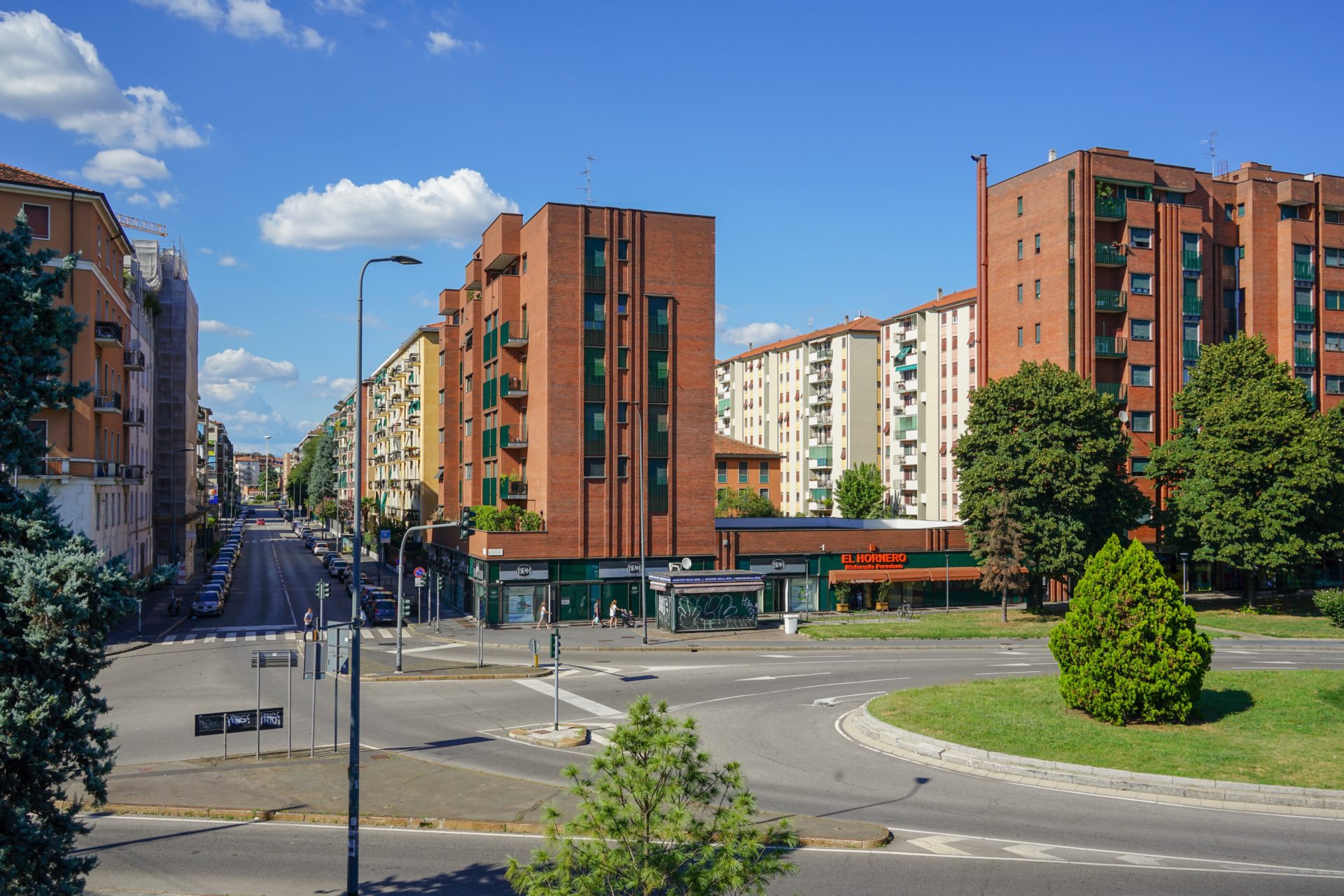
An area where ancient villages incorporated into the city, banister buildings dating from the early XX century, redeveloped factories, welfare structures and new creative areas with coworking spaces and art galleries coexist.
You are going to love…
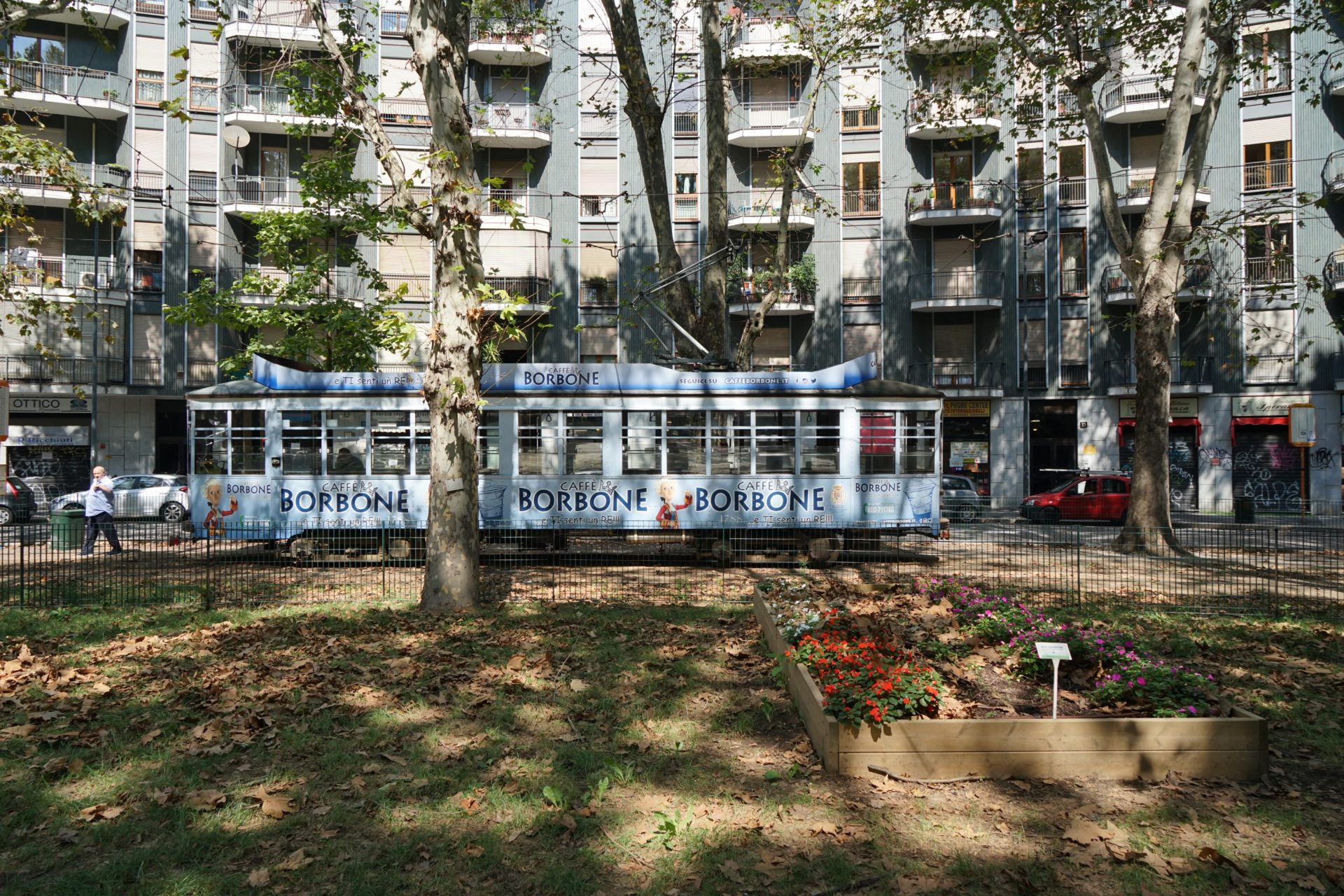
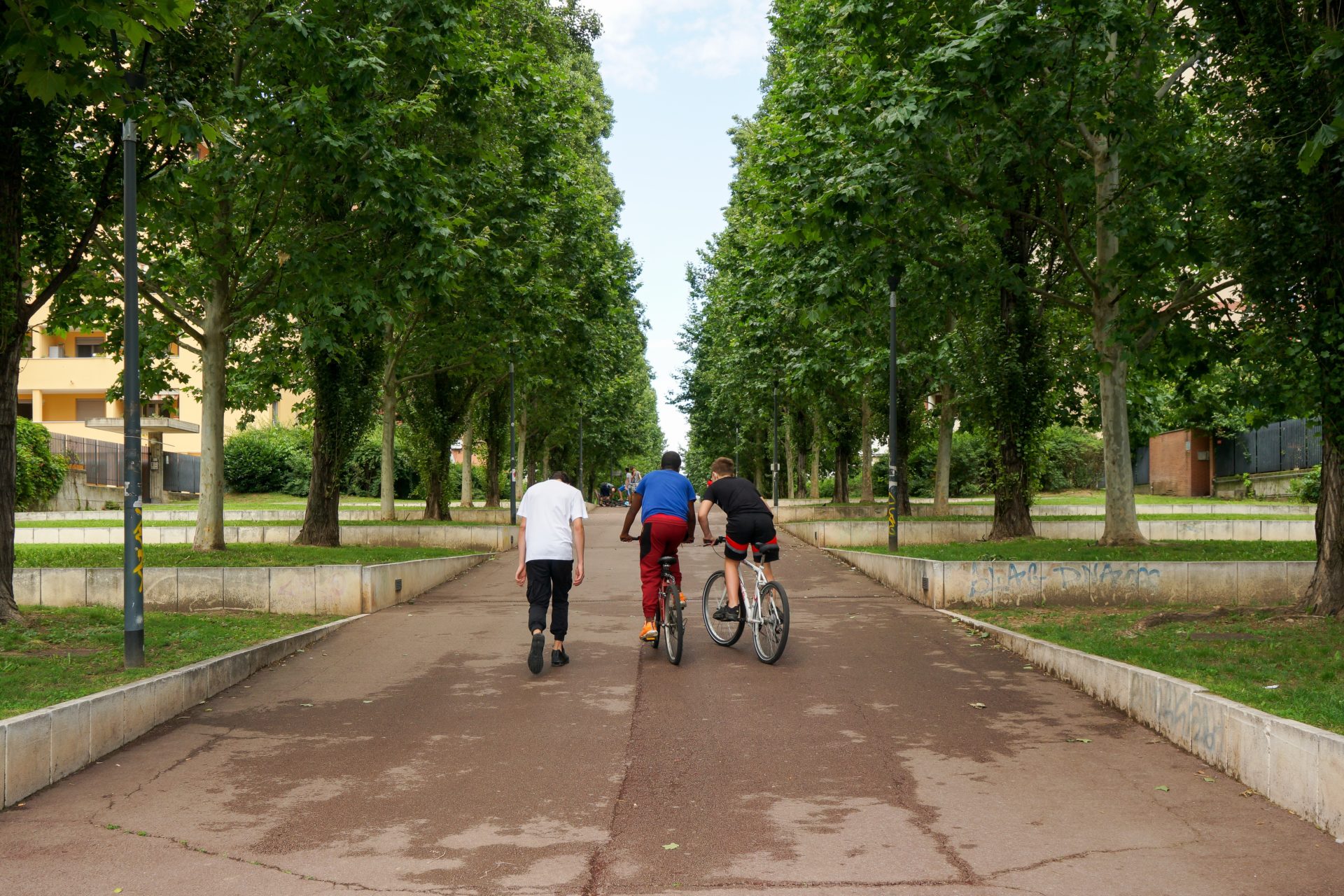
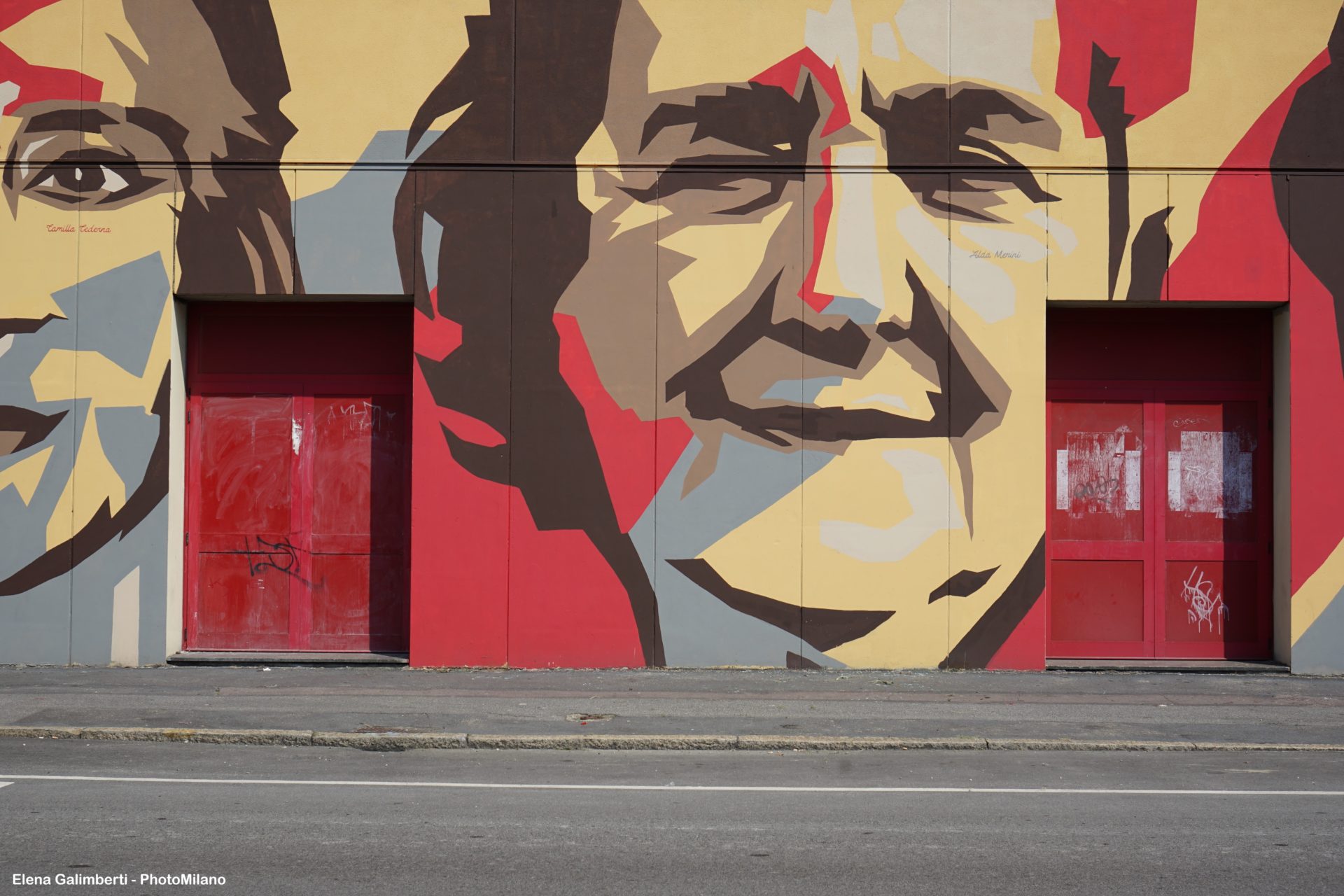
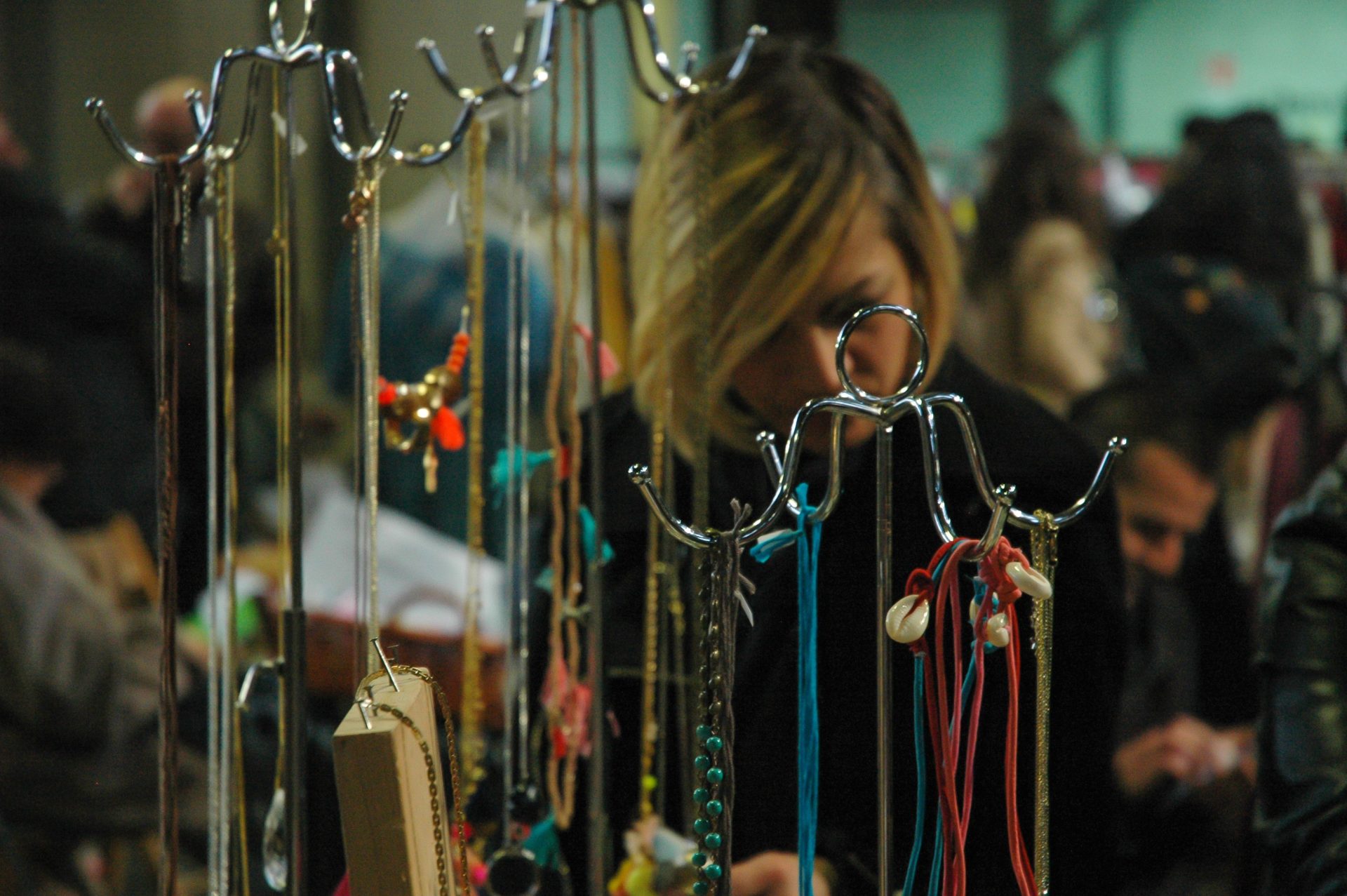
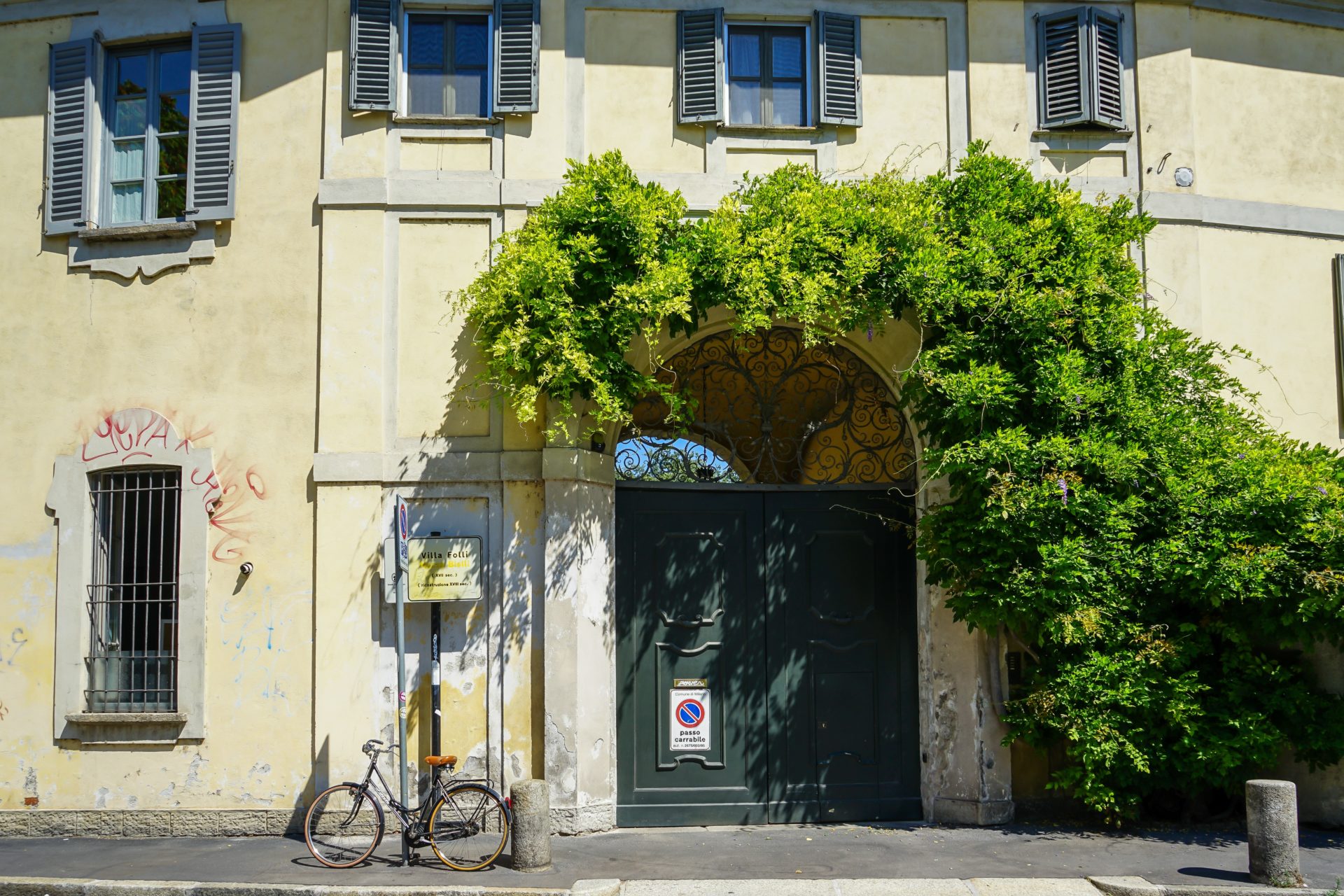
Do not miss the history of the XX century in Italy depicted on the facades of the Ortica district, the piblic garden of Villa Folli and the Giardino Condiviso in via San Faustino, where anyone can contribute. The area is rich in lovely venues, and interesting markets like the East Market and dring the Sabato di Lambrate, where you can find unique gifts.
Behind the corner
The area is close to the San Raffaele Hospital, the Politecnico di Città Studi, Linate airport, and the Idroscalo. Not too far away is also Turro, with Parco Trotter and the Martesana cycle path.