



Corvetto, Rogoredo
Milan
Its past an an old village past makes way for green regeneration projects on the background of the timeless tranquillity of the Parco Agricolo Sud Milano.
Key Details
What to expect
Lifestyle
What not to expect
Real estate market
You are going to fall in love with
Keywords
Commute times
Duomo: 16 min. by car, 13 min. by public transportation
Castello Sforzesco: 23 min. by car, 23 min. by public transportation
Cadorna Station: 24 min. by car, 20 min. by public transportation
Central Station: 20 min. by car, 25 min. by public transportation
Milano Malpensa: 1h by car, 1h 22min. by public transportation
Milano Linate: 8 min. by car, 35 min. by public transportation
Transportations
Closest underground lines
Line 3 (Stops Porto di Mare, Corvetto)
Surface Transport
Well connected to both trams and buses
Railroad Service
Milano Rogoredo railway station
Highways and freeways
6 min from the A1, 40 min from the A4, 10 min from A7, 30 min from A8, 10 min from the East freeway, 10 min from West freeway, 15 min from North freeway
Boundaries
East: Pestagalli street, Rogoredo street
West: Gargano street, Parco Vettabbia
North: Ortles avenue, Brenta avenue, Bacchiglione avenue, Lucania avenue, Gaggia street, Boncompagni street, Toffetti street, Railroad
South: Parco Vettabbia, Chiaravalle, San Donato Milanese
Neighborhood areas
Scalo di Porta Romana, Ripamonti, Vigentino
Ponte Lambro, Santa Giulia
Porta Vittoria, Lodi
Forlanini
A walk through the district
An area in southern Milan which was born as a working-class neighbourhood and today serves an an important connection between the city and the countryside. Several farmsteads still survive to these days and are used for social and cultural activities. The hear of the neighbourhood is the Parco Agricolo Sud, which enhances the reclamation work started by the Cistercians back in the XII century.
What to expect
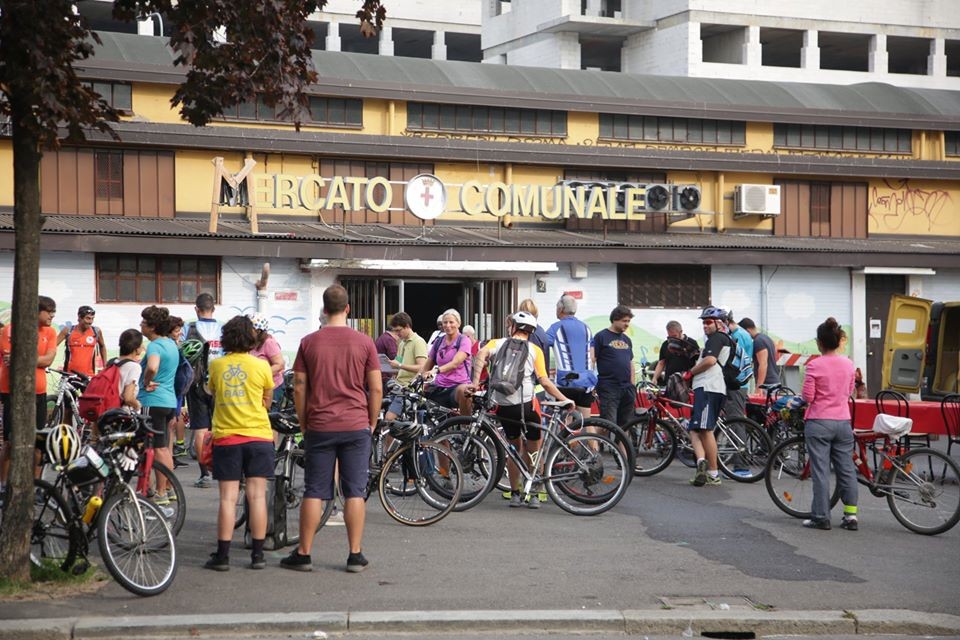
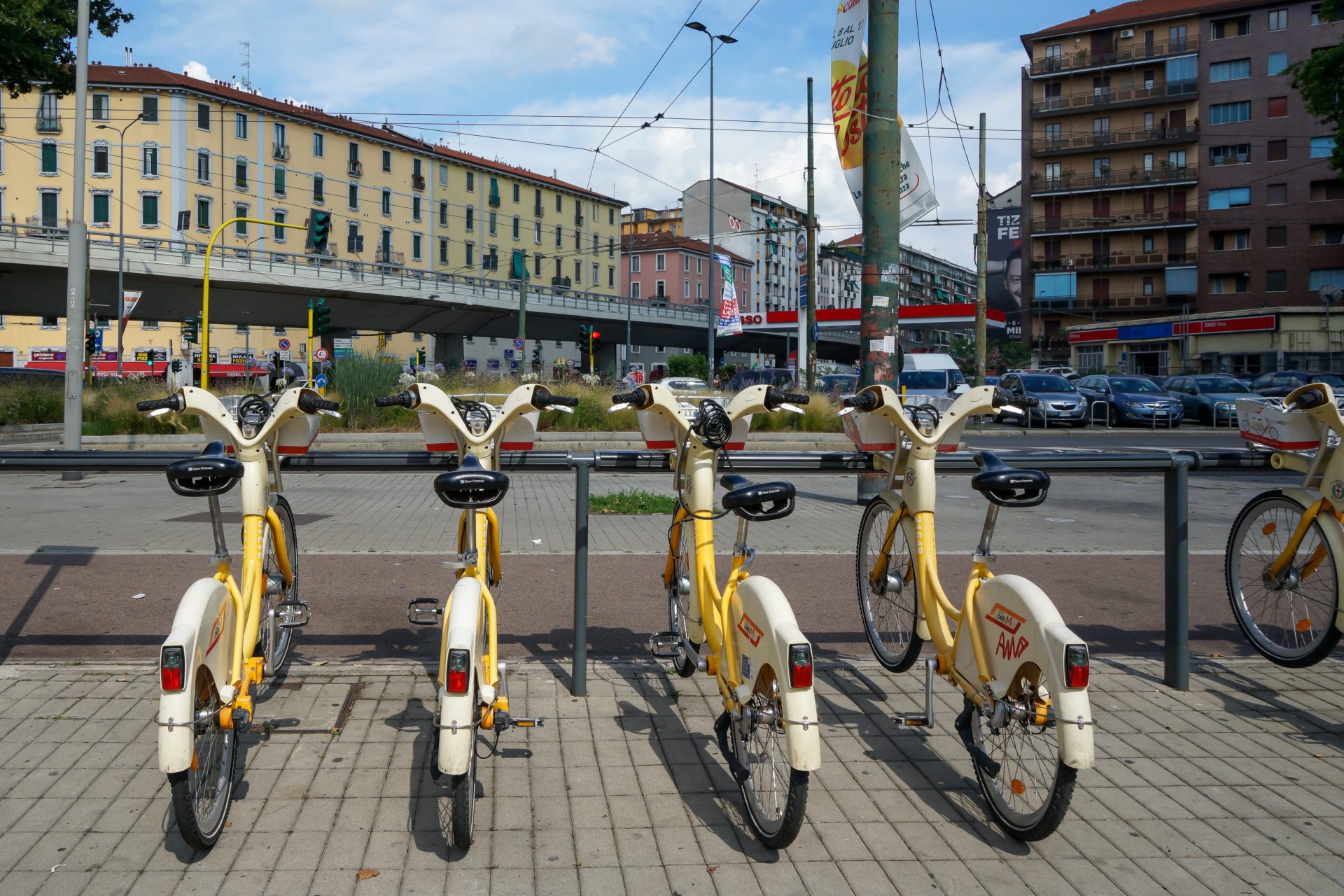
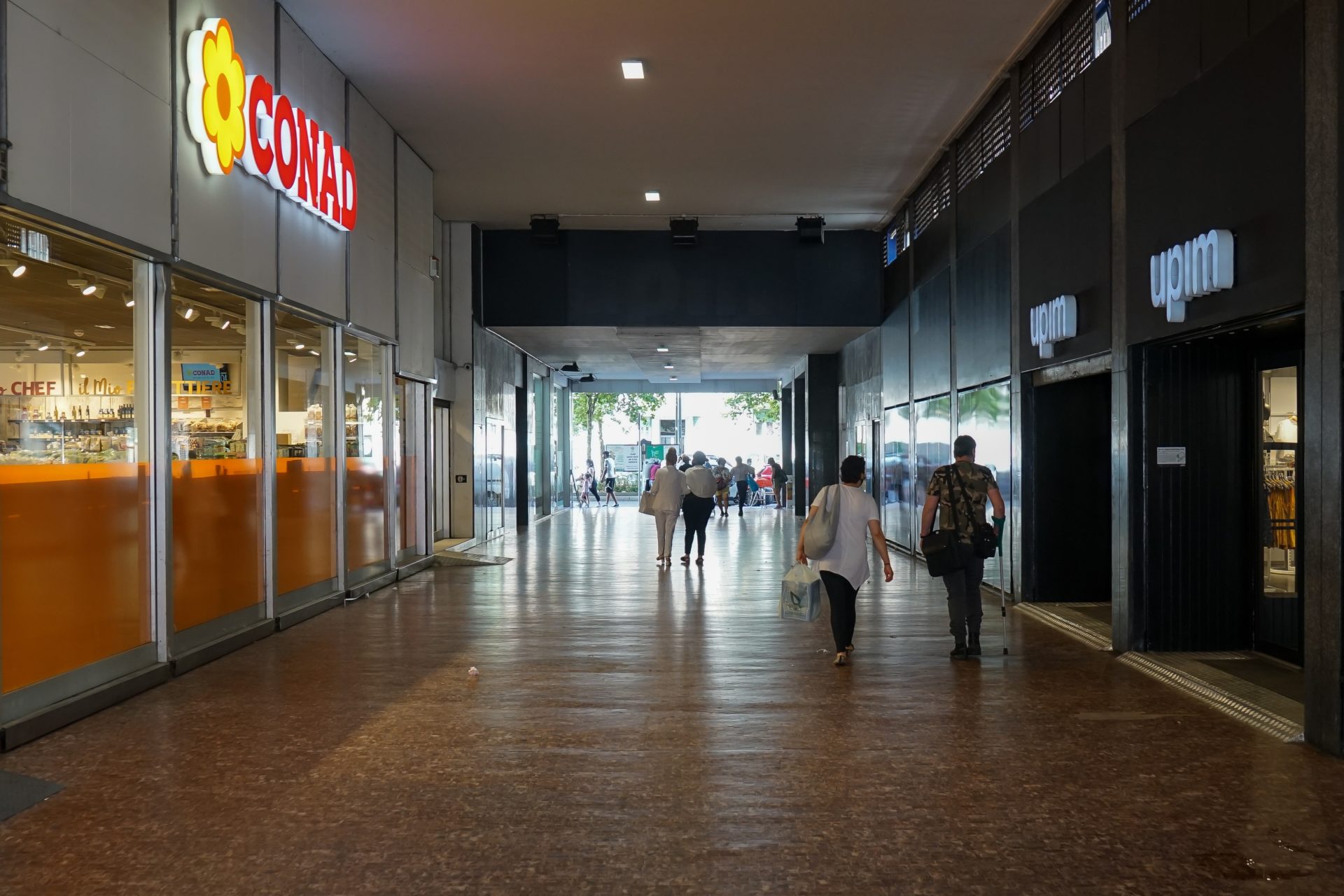
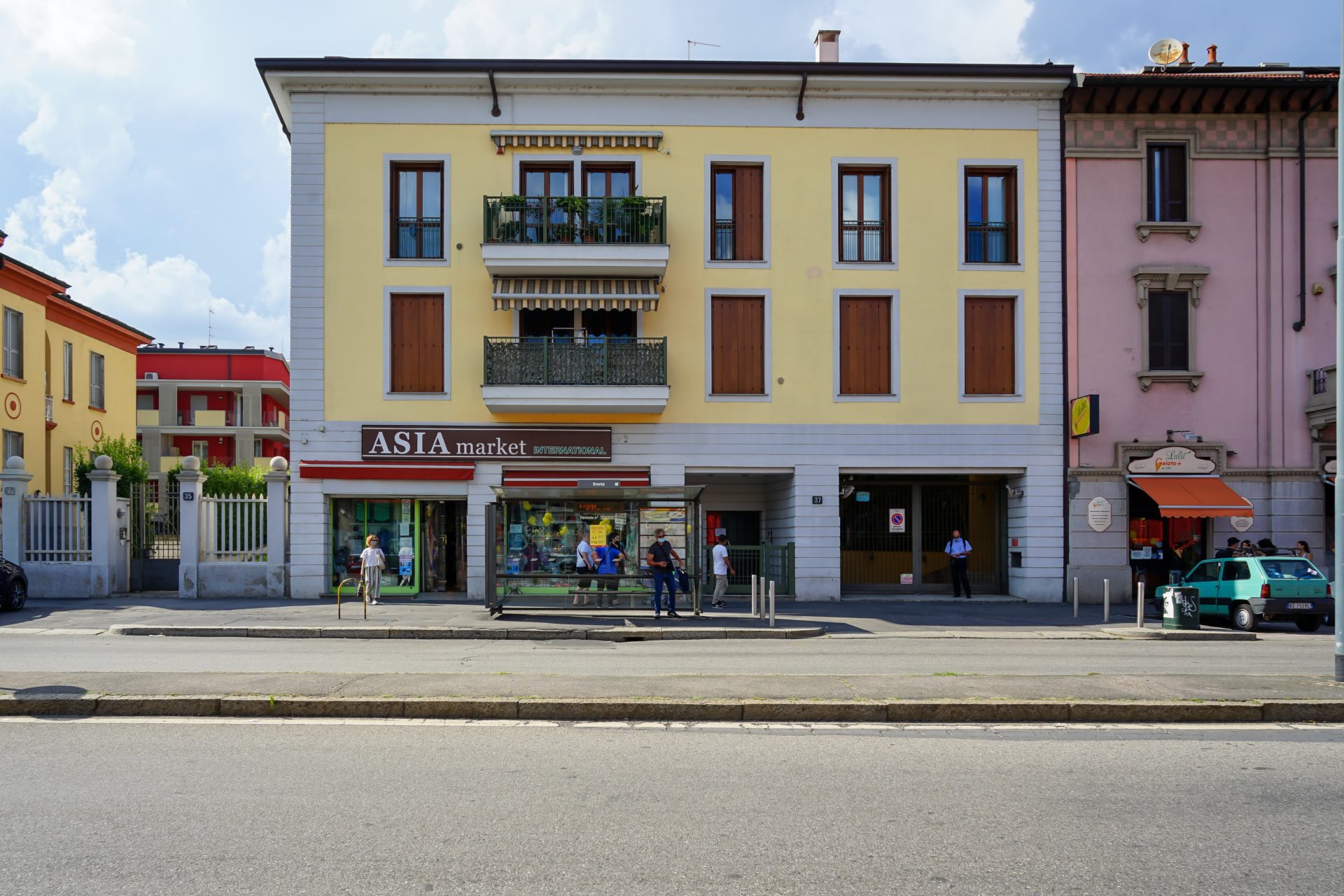
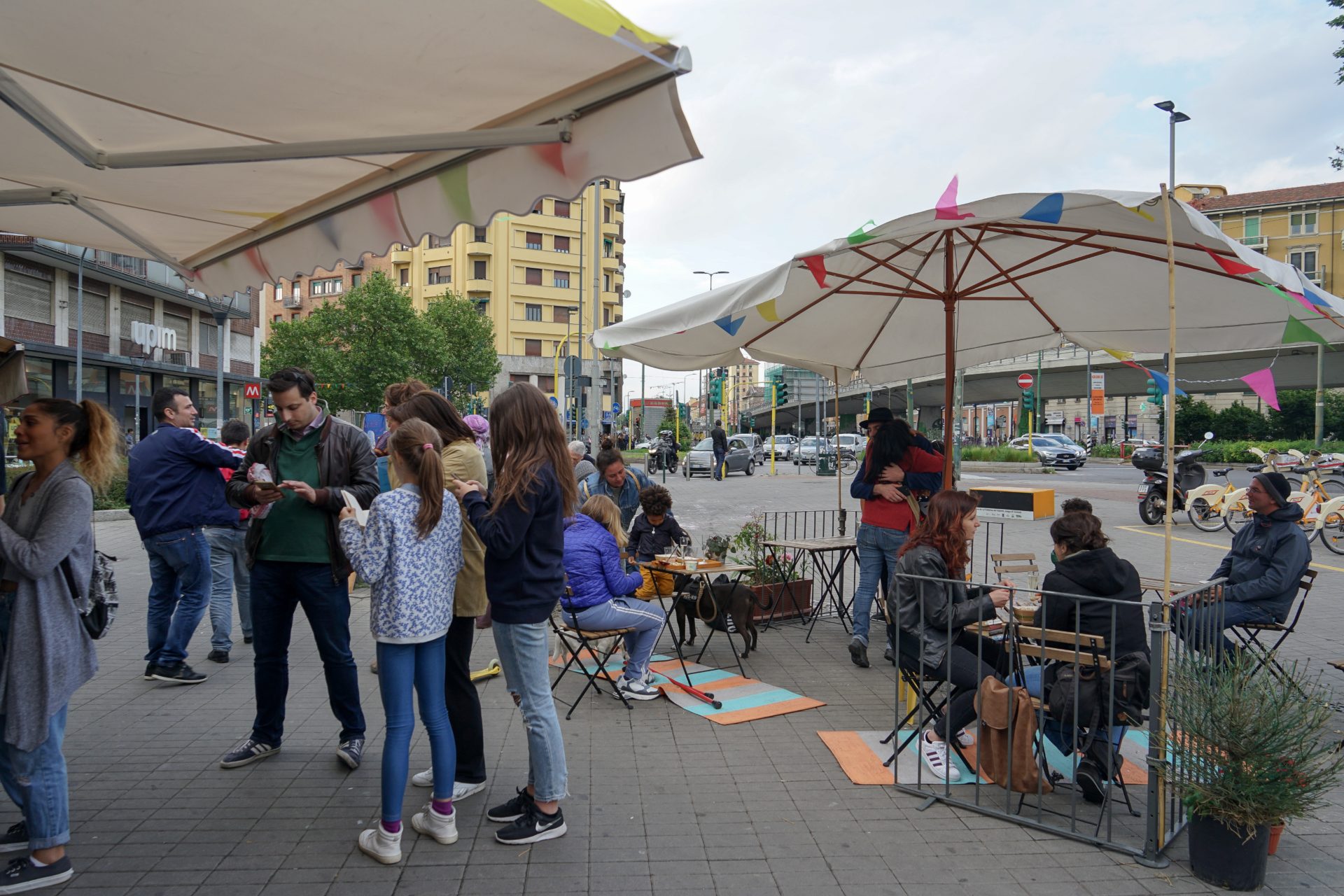
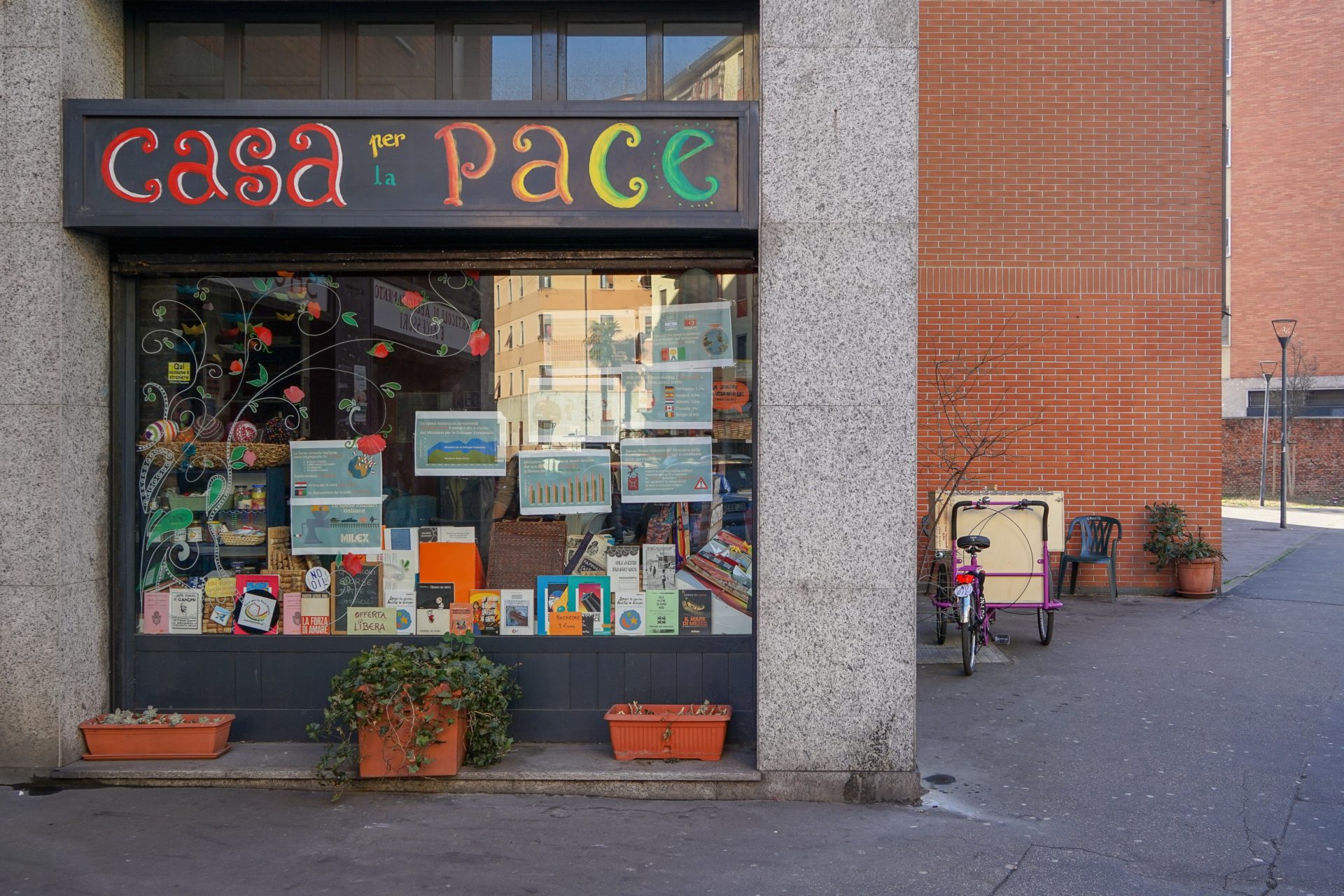
This peripheral area with a strong multiethnic presence is undergoing a regeneration and upgrading process thanks to the work of many organizations. Markets such as that of Piazzale Ferrara are engaged in a constant dialogue with old Milanese traditions. There are also typical trattorias serving local cuisine.
Lifestyle
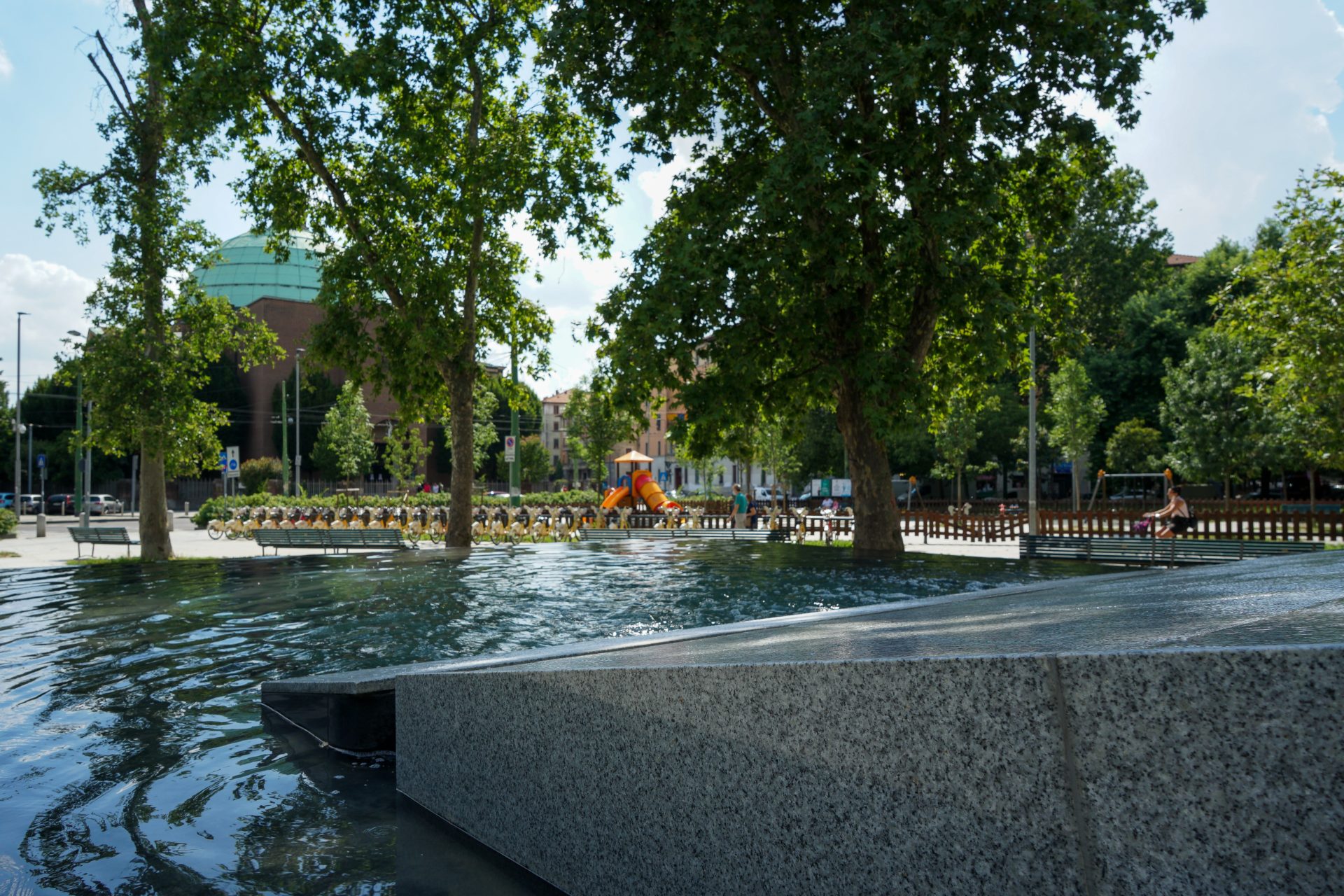
This area is particularly suitable for those who are looking for home in a place which is still economically affordable yet destined to a rapid real estate appreciation thanks to the good connections to the public transportation system and the contact with nature. This is te right place for you if you appreciate multiethnicity, Milanese traditions, and community spirit to participate in social projects that can contribute to shape the city of the future.
What not to expect
This area is not suitable for those who love international style homes and have no interest in the charity sector nor in cultural and leisure initiatives.
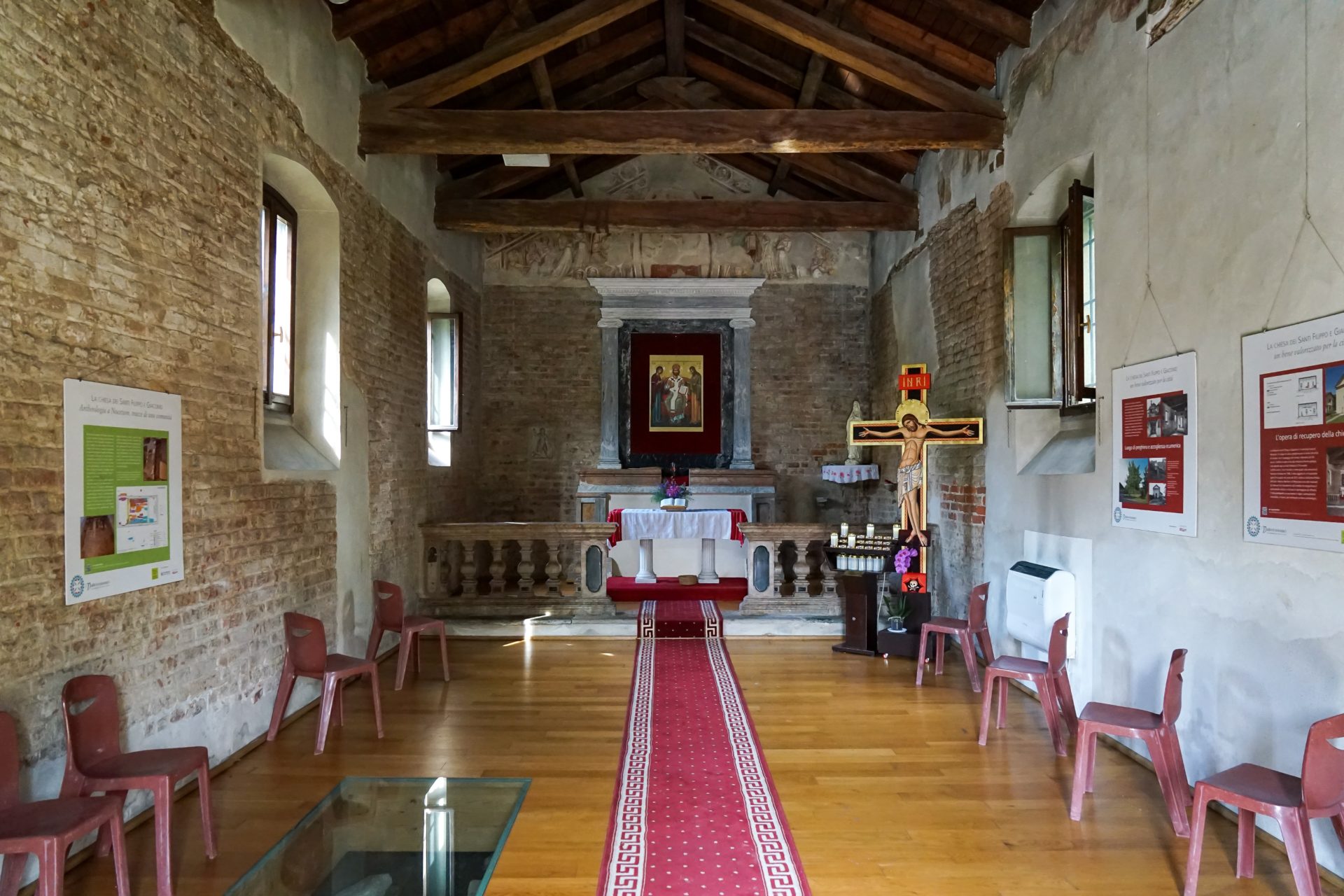
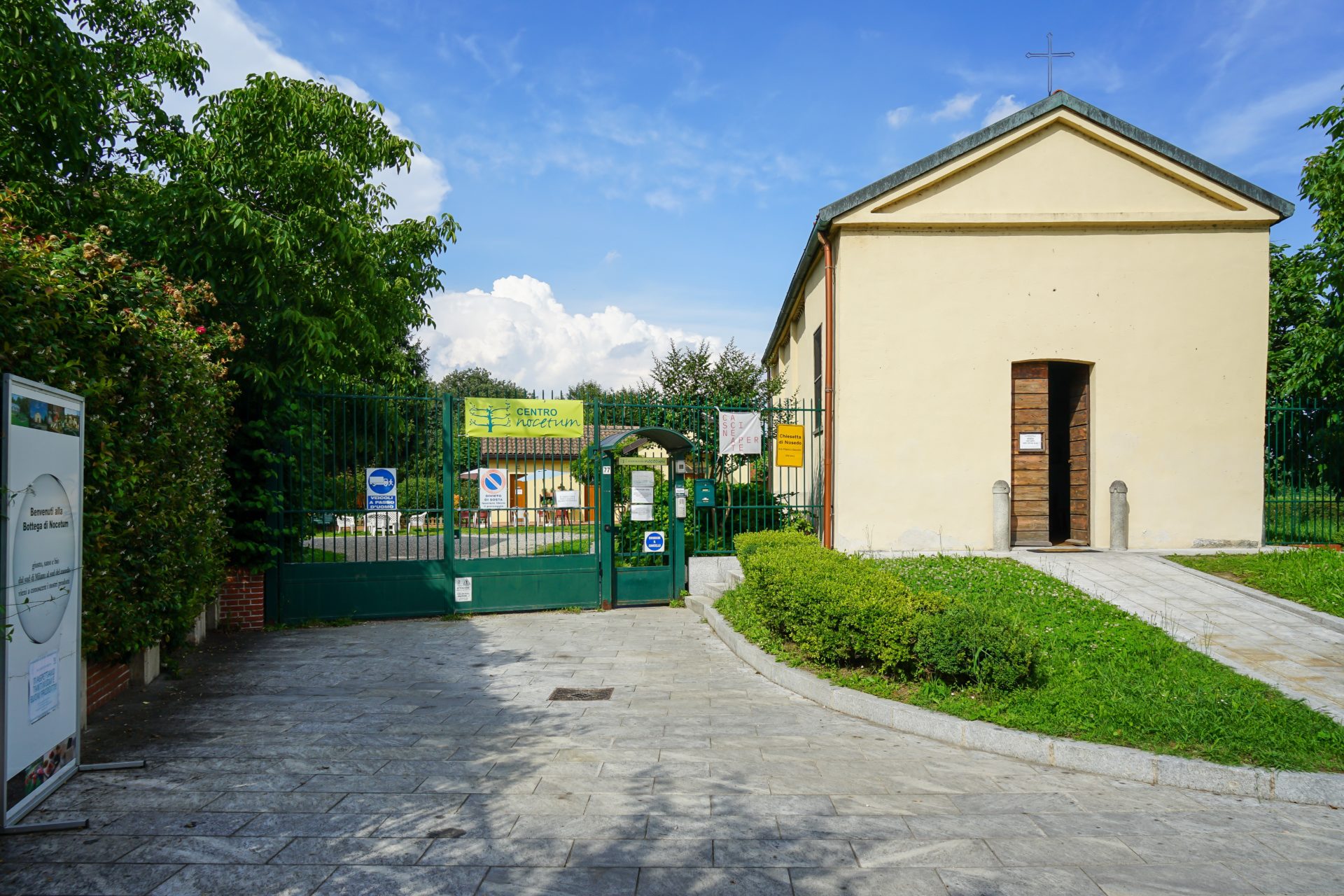
Real Estate market
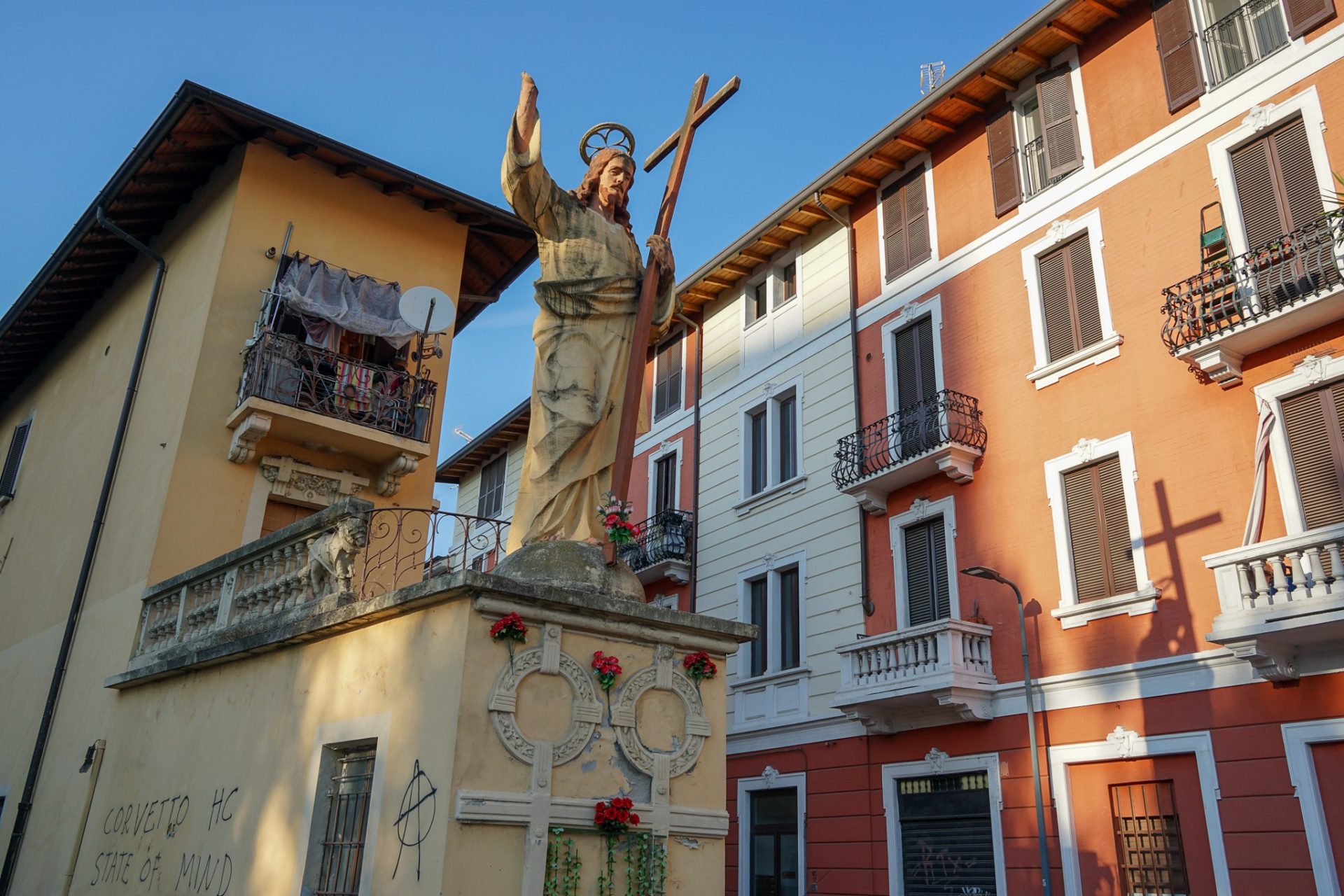
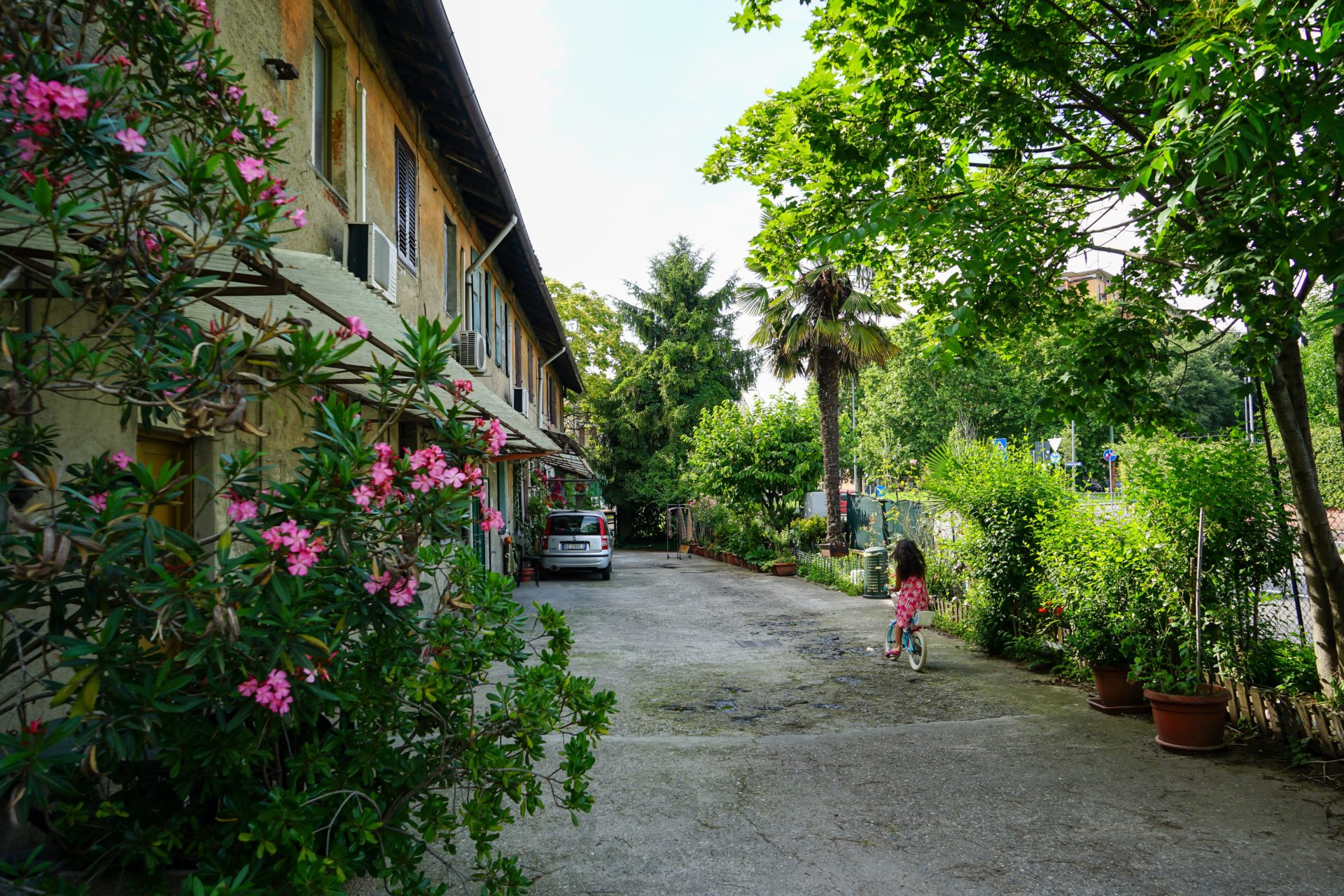
The area is mainly residential and offers postwar period council housing, but also rural buildings, banister houses, detached houses and apartment buildings dating from the ‘30s. Often, streets don’t have a homogeneous system because old settlements have been incorporated into the city and coexist in conflict with the recent residential towers.
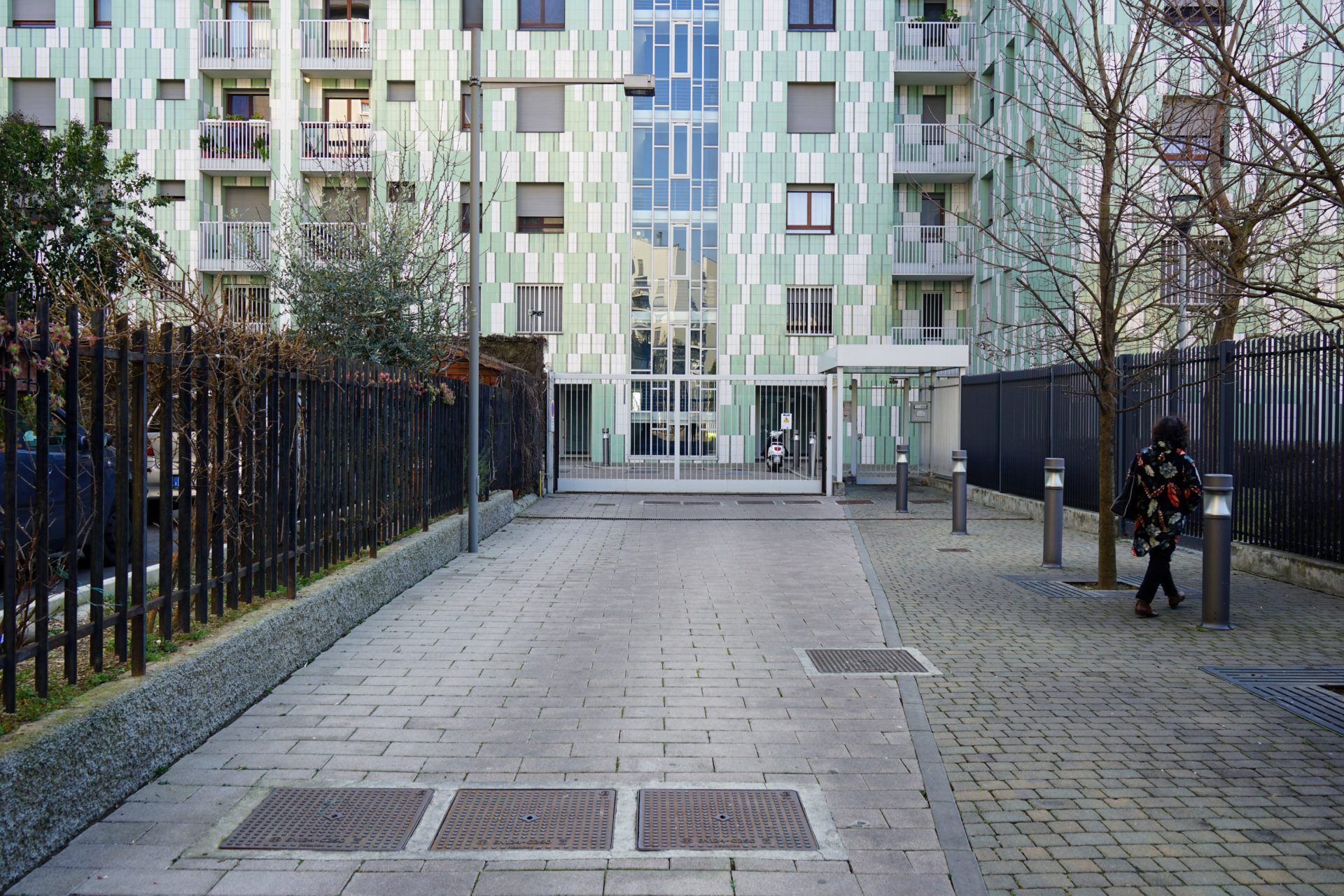
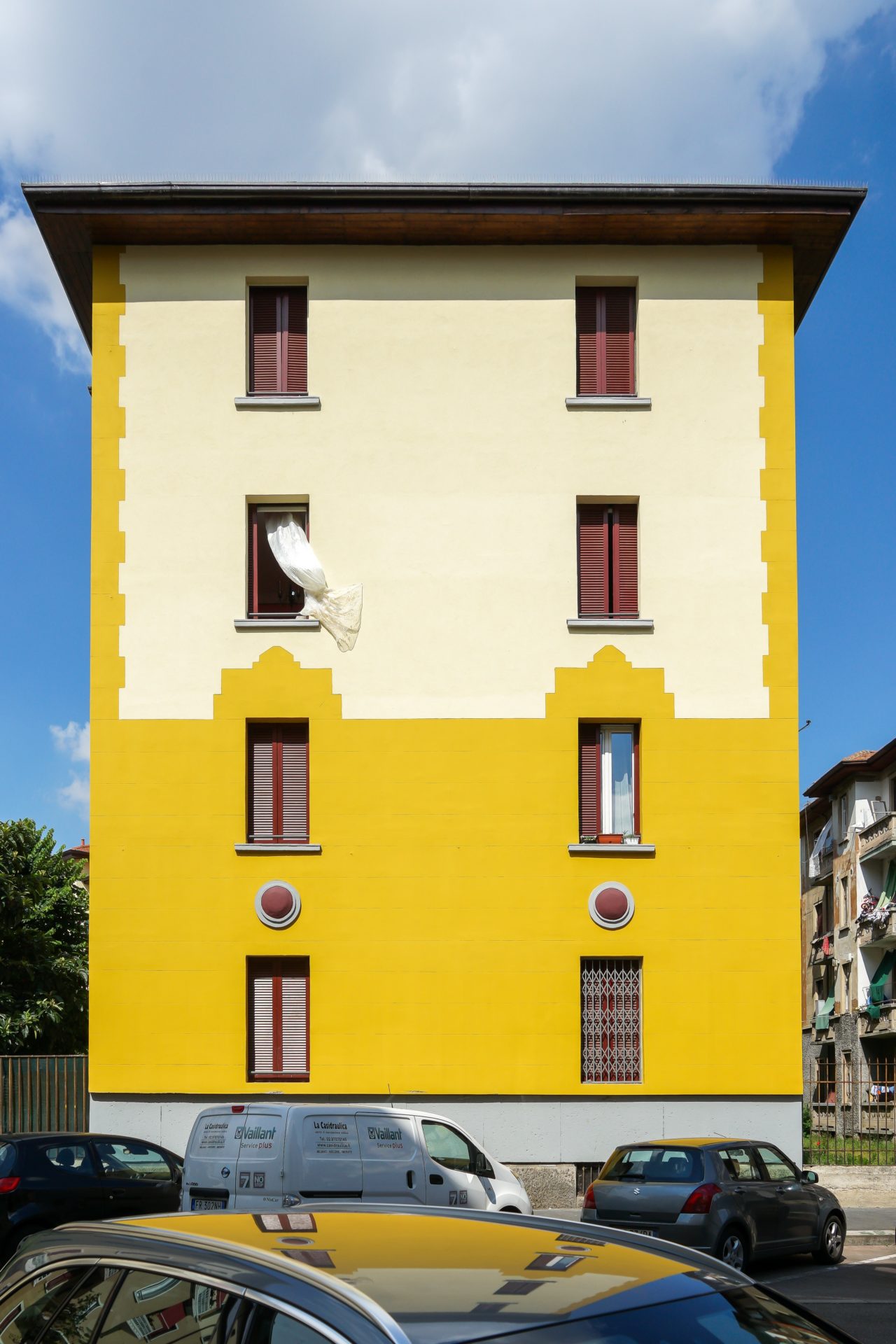
You are going to love…
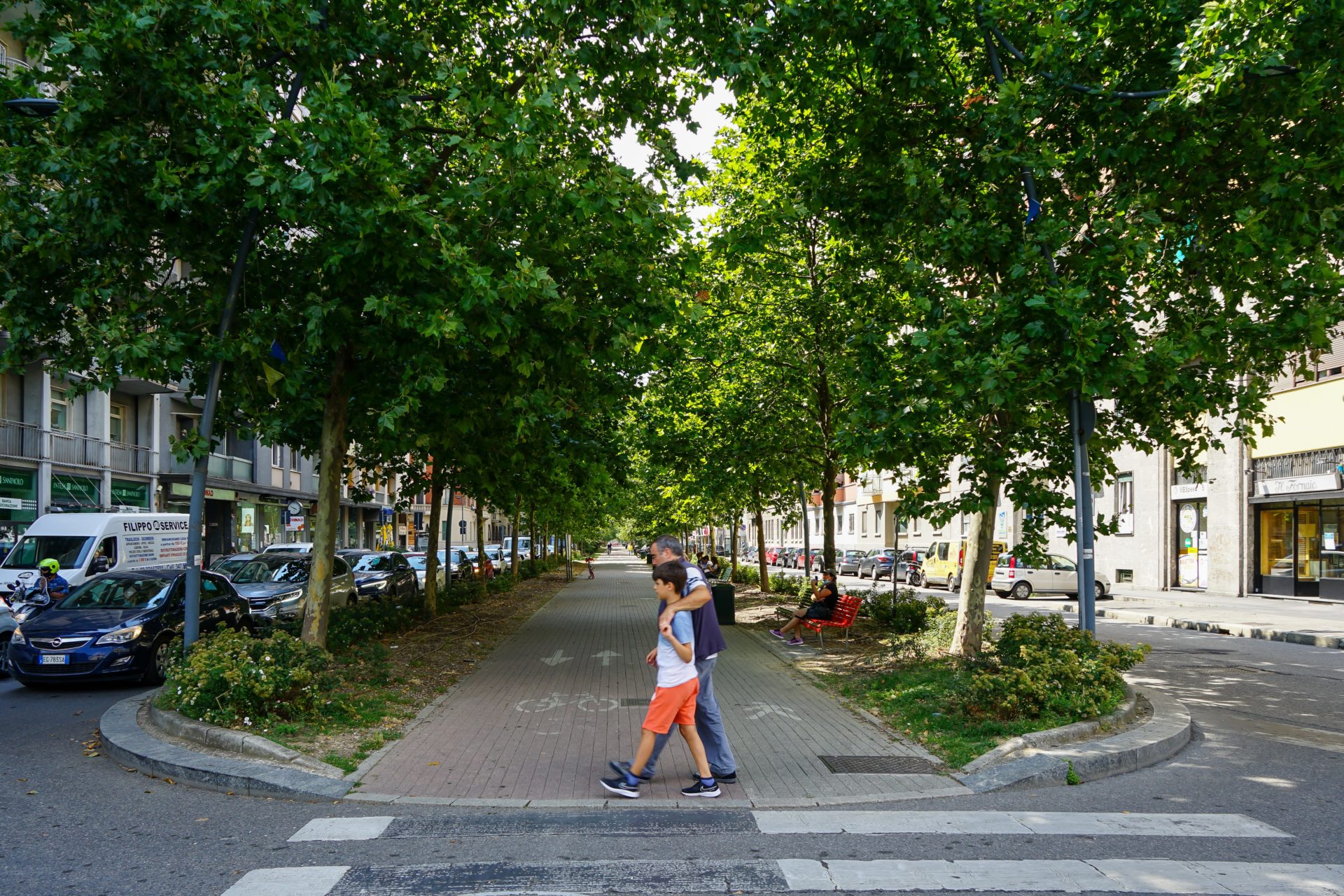
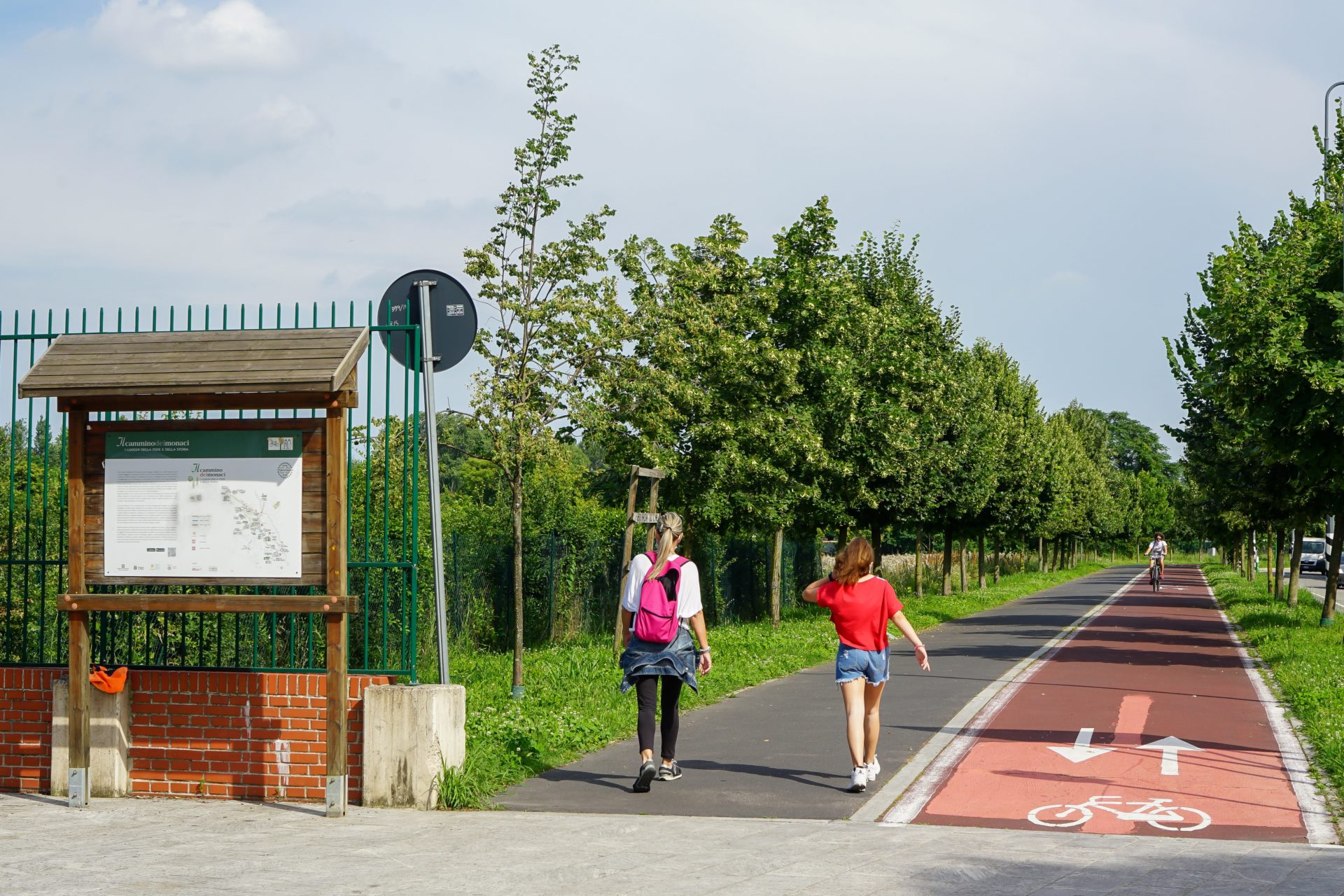
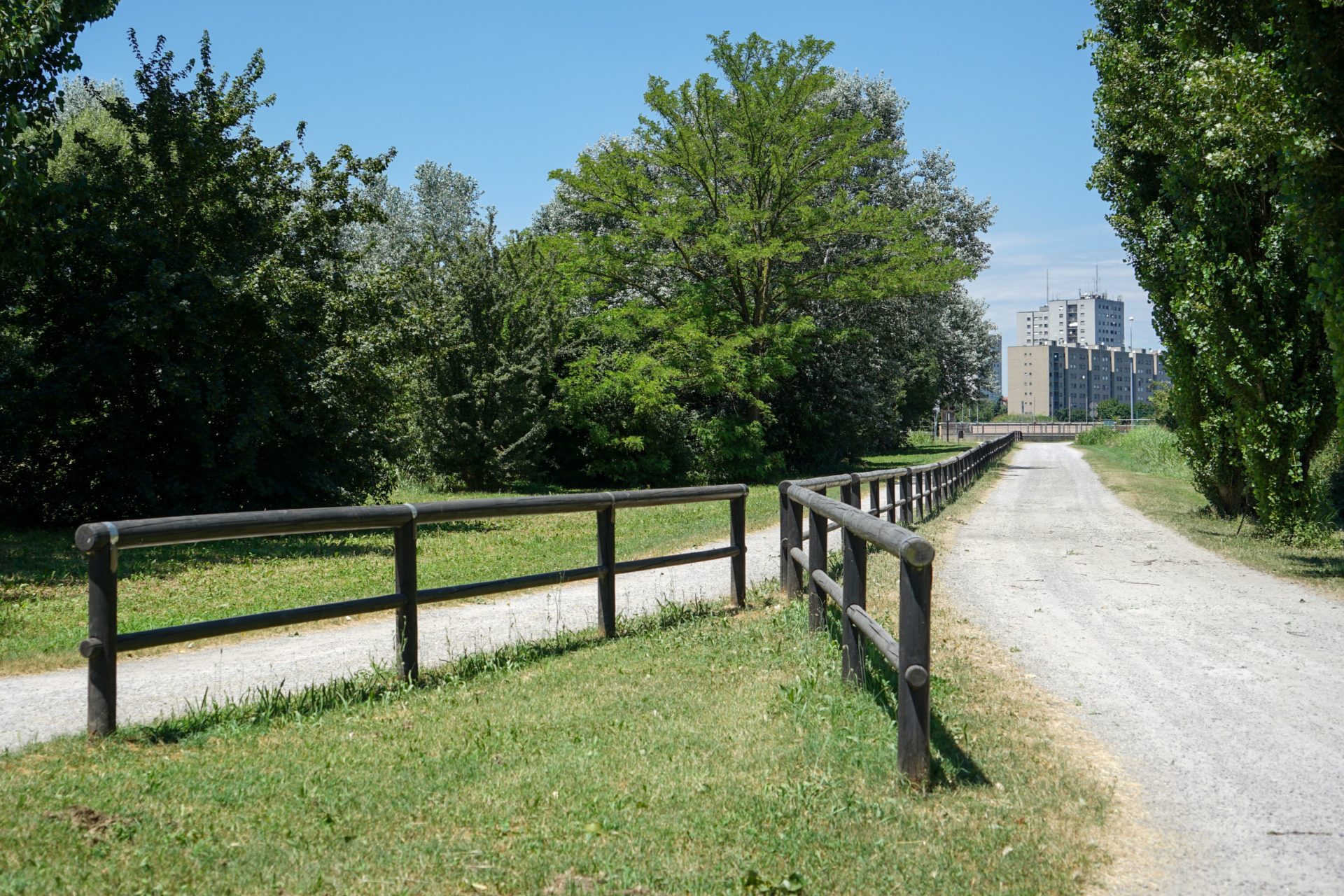
You will love the MAF-Museo dell’Acqua Franca, founded by the cultural association Arte da Mangiare, Mangiare Arte inside the Depuratore di Milano Nosedo, which also hosts the DepurArt Lab Gallery, the first experimental lab-gallery ever realized in a purifier, and succeeded in transforming a place perceived as a thorny presence into an unexpected and important regeneration space. In the area there are also many pedestrian and cycle paths which allow you to leave the city behind and immerse yourselves in the countryside.
Behind the corner
The area is close to the Chiaravalle Abbey and San Donato.