





Scalo di Porta Romana, Ripamonti, Vigentino
Milan
An enchanting combination of city and countryside, liveliness and tranquillity, ideal for those who want to live the energy of urban and social regeneration a stone’s throw from the ancient village of Chiaravalle and the Parco Agricolo Sud
Key Details
What to expect
Lifestyle
What not to expect
Real estate market
You are going to fall in love with
Keywords
Commute times
Duomo: 20 min. by car, 40 min. by public transportation
Castello Sforzesco: 20 min. by car, 50 min. by public transportation
Cadorna Station: 20 min. by car, 50 min. by public transportation
Central Station: 25 min. by car, 50 min. by public transportation
Milano Malpensa: 45 min. by car, 1h 50min. by public transportation
Milano Linate: 17 min. by car, 1h 10min. by public transportation
Transportations
Closest underground lines
There are no underground lines. The closest one is Line 3 (Lodi Tibb. Stop)
Surface Transport
Little connected to both trams and buses
Railroad Service
Next to the Milano Porta Romana railway station
Highways and freeways
15 min from the A1, 25 min from the A4, 8 min from A7, 25 min from A8, 18 min from the East freeway, 10 min from West freeway, 30 min from North freeway
Boundaries
East: Calabiana street, Ortles avenue, Gargano street, Vettabbia Park
West: Bazzi street, Ferrari street, Ripamonti street
North: Tibaldi avenue, Isonzo avenue
South: Town of Noverasco, Sorigherio, San Donato
Neighborhood areas
Ponte Lambro, Santa Giulia
Porta Vittoria, Lodi
Porta Romana, Cadore, Montenero
Corvetto, Rogoredo
Navigli
Abbiategrasso, Chiesa Rossa
A walk through the district
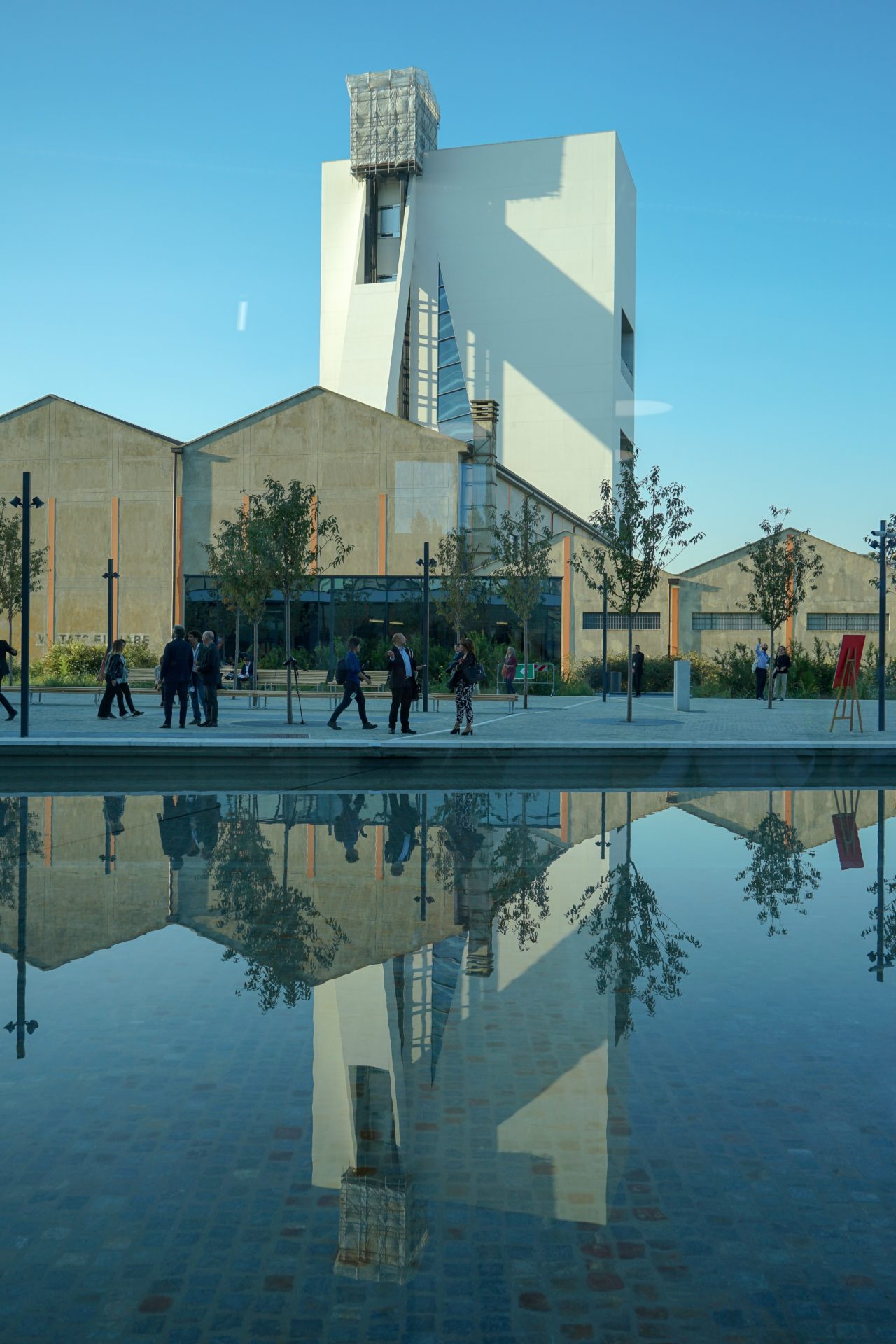
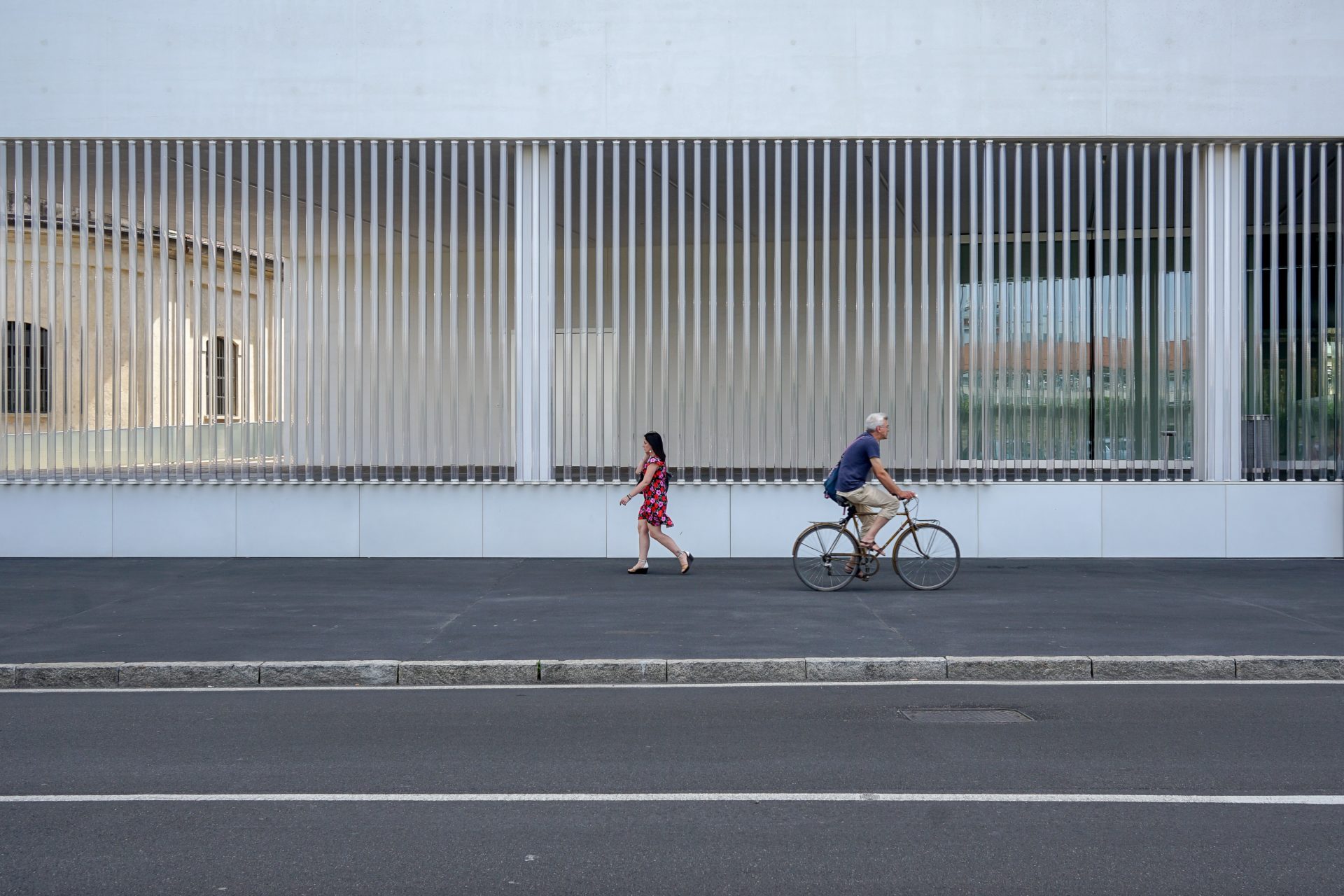
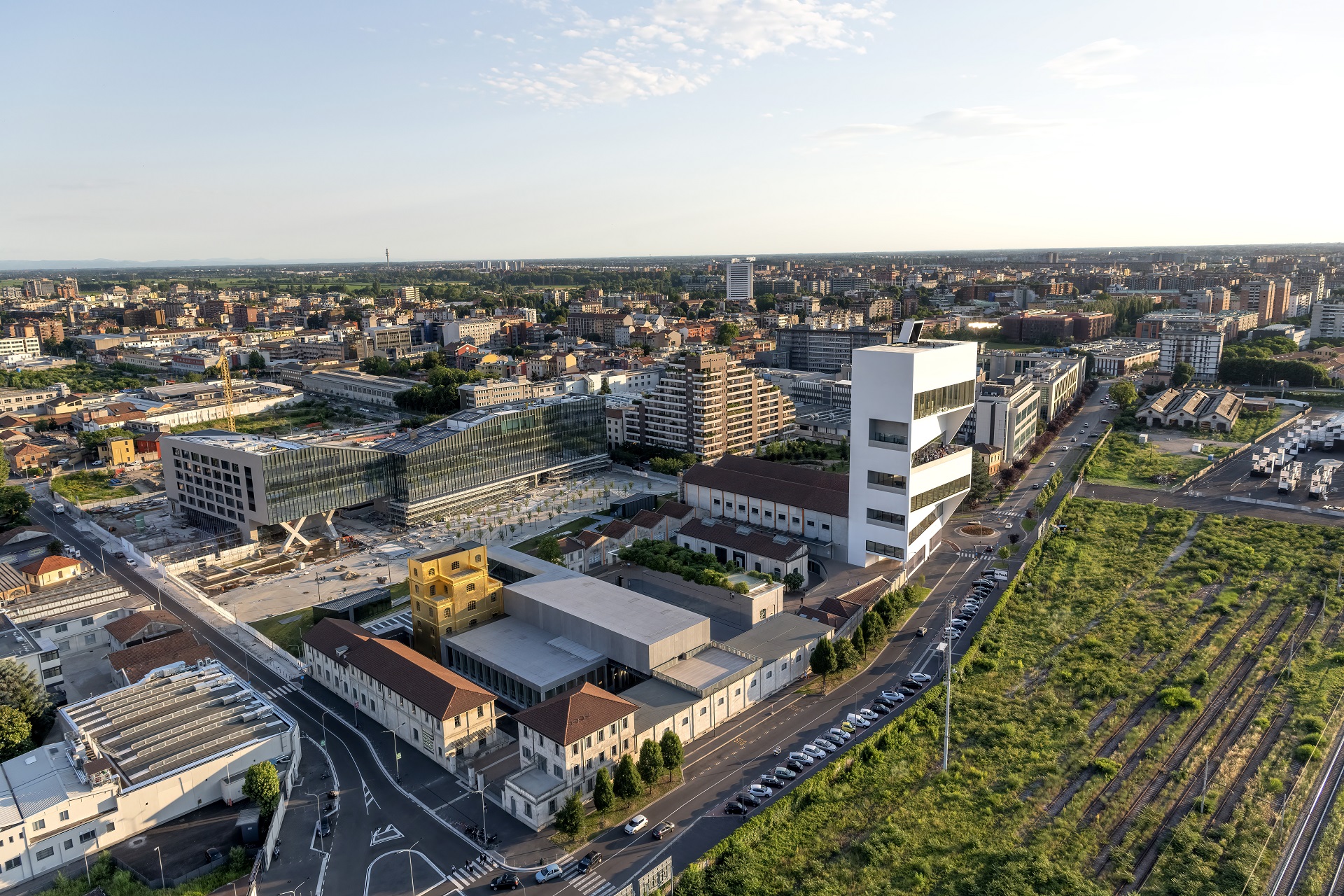
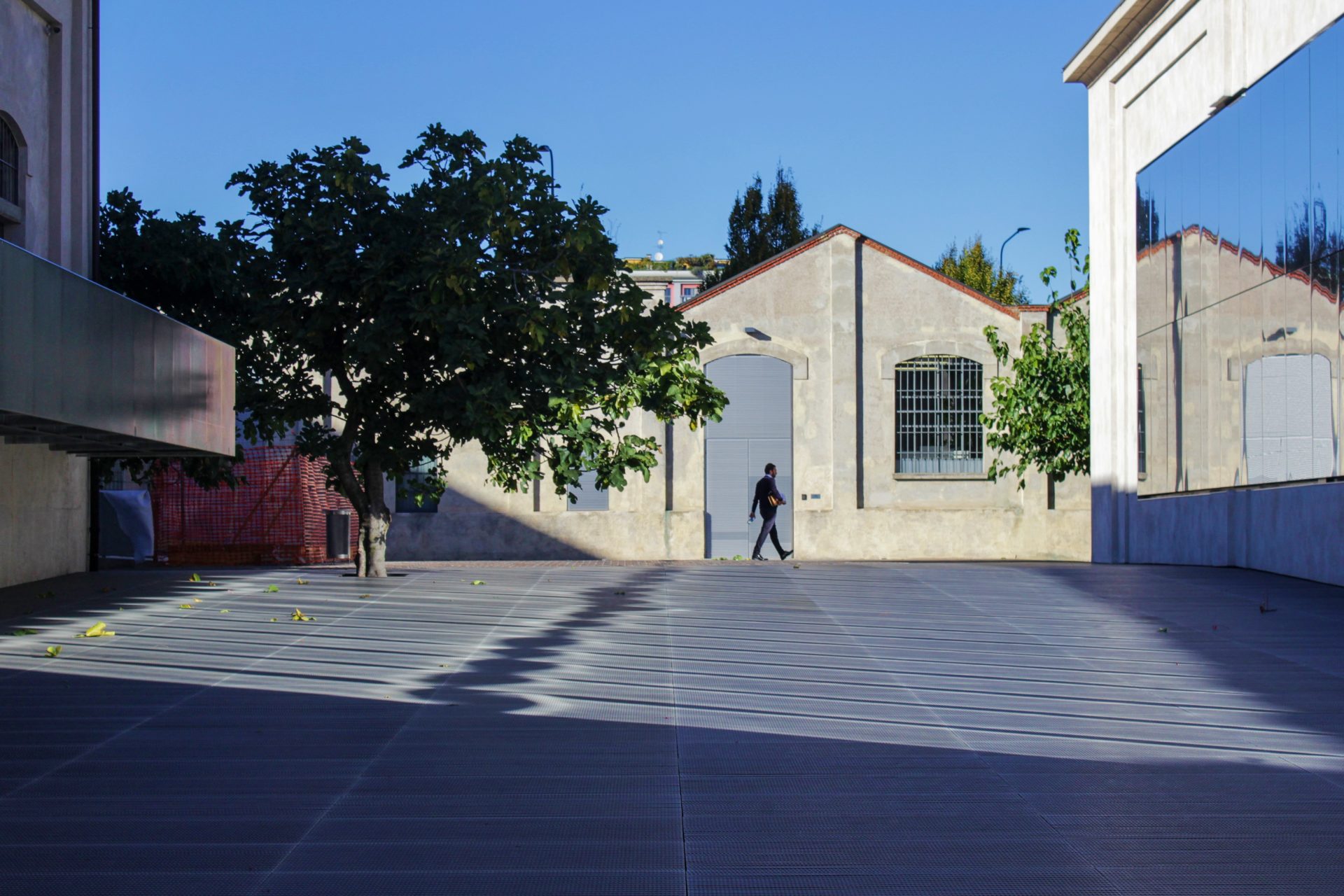
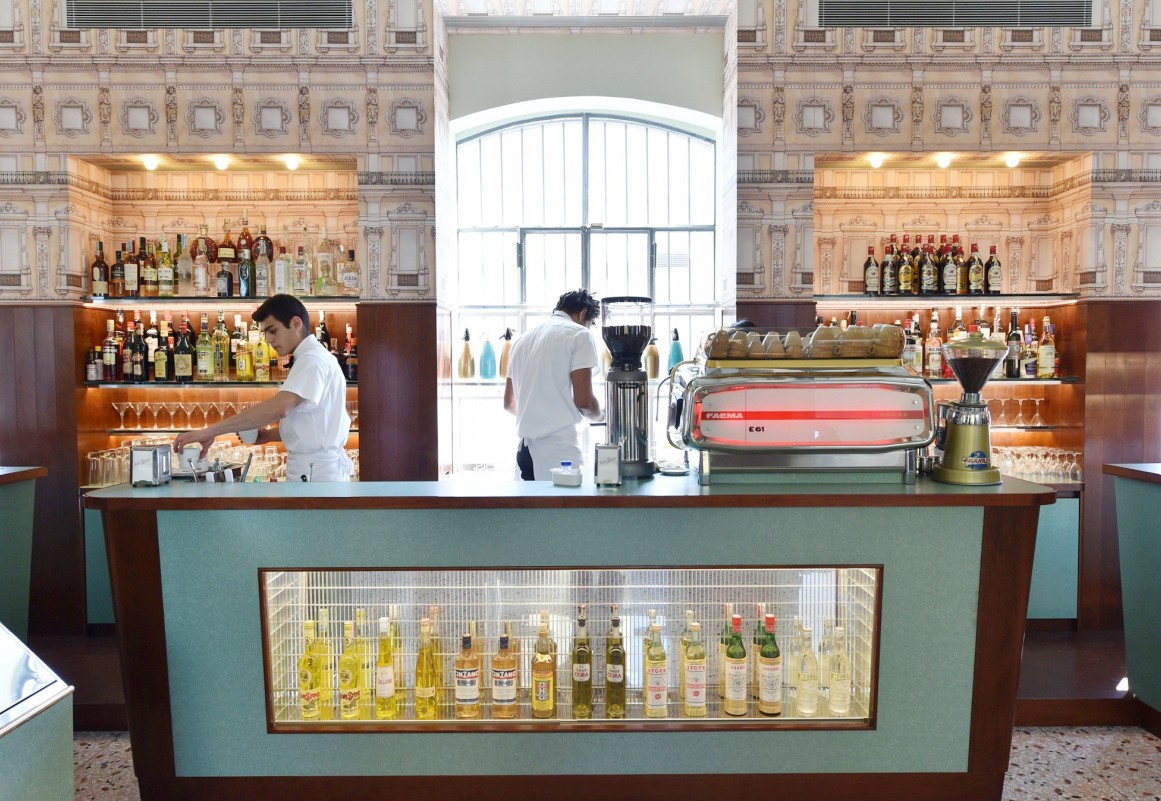
An area whose rural vocation has been replaced by the opening of major industrial sites, as testified by the Parco delle Memorie Industriali. Today, the redevelopment of many former factories has initiated an important regeneration process which can be seen in the creative liveliness of the Fondazione Prada and the innovative Symbiosis project.
What to expect
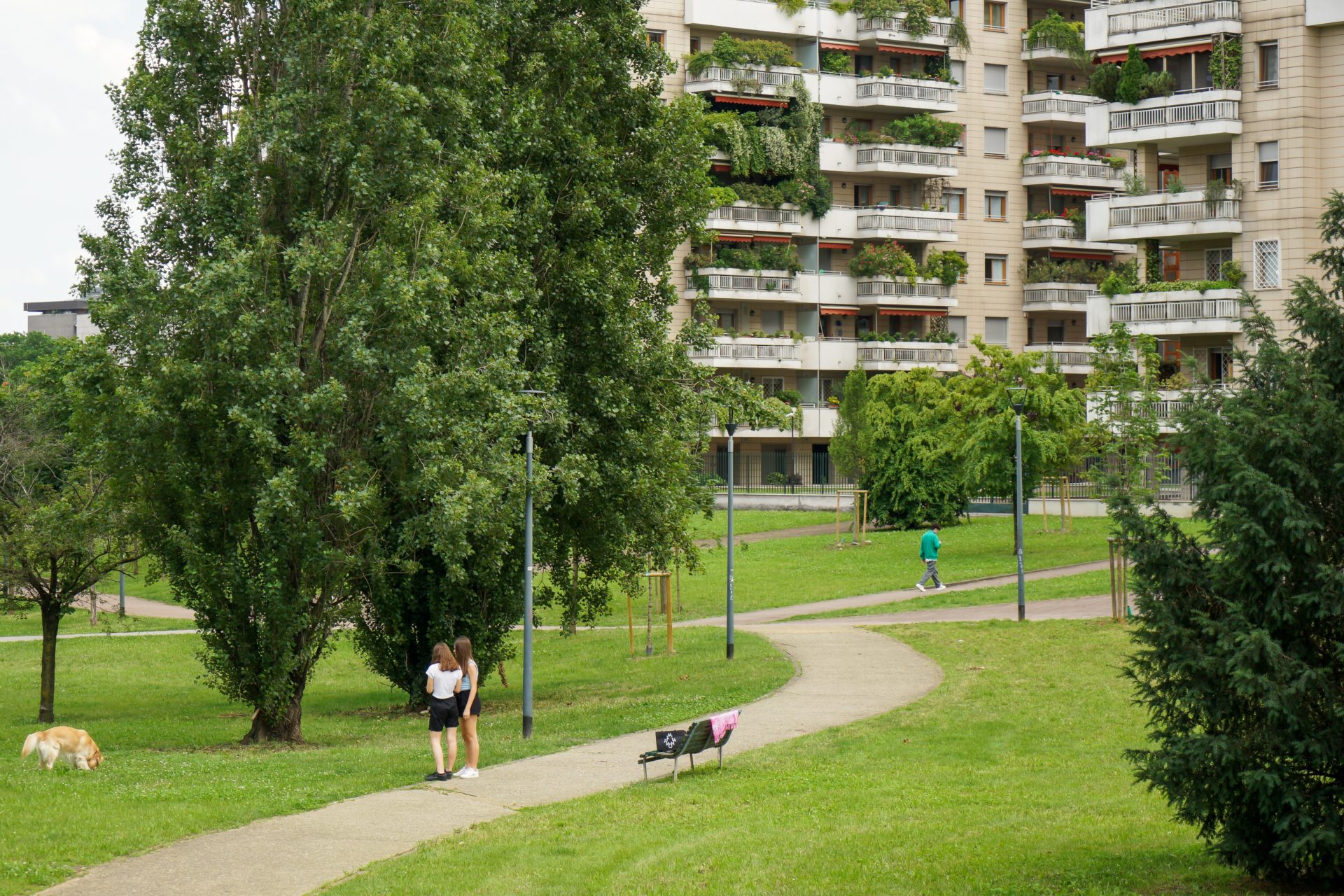
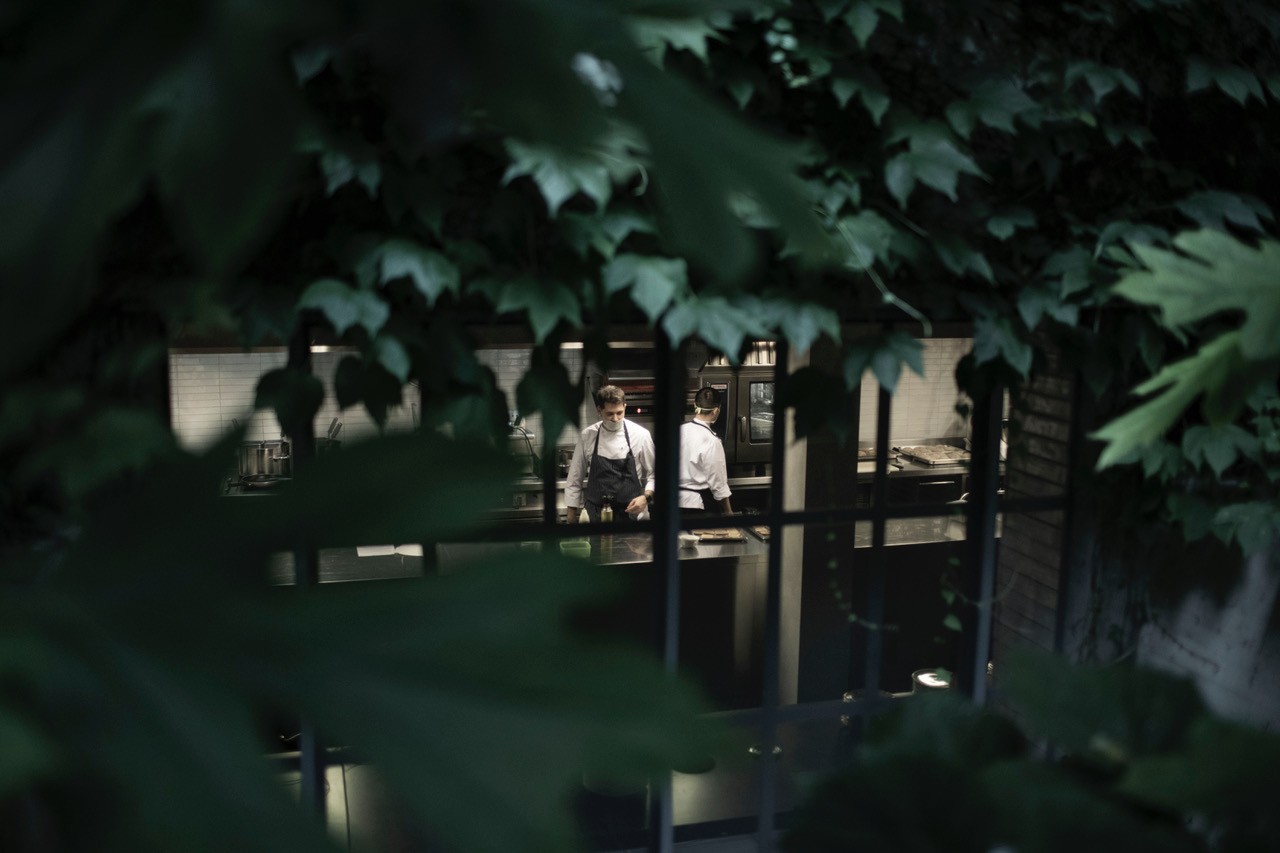
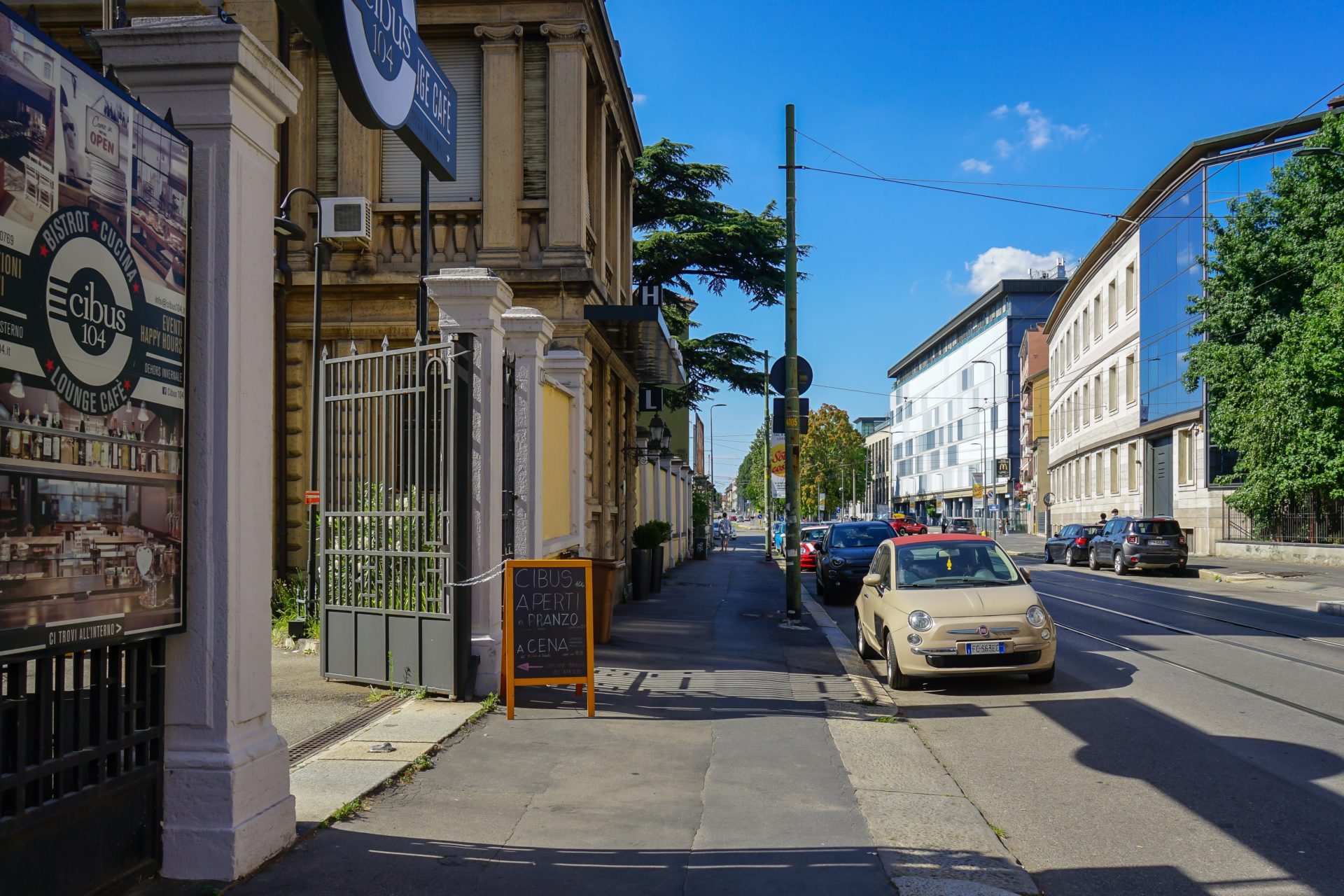
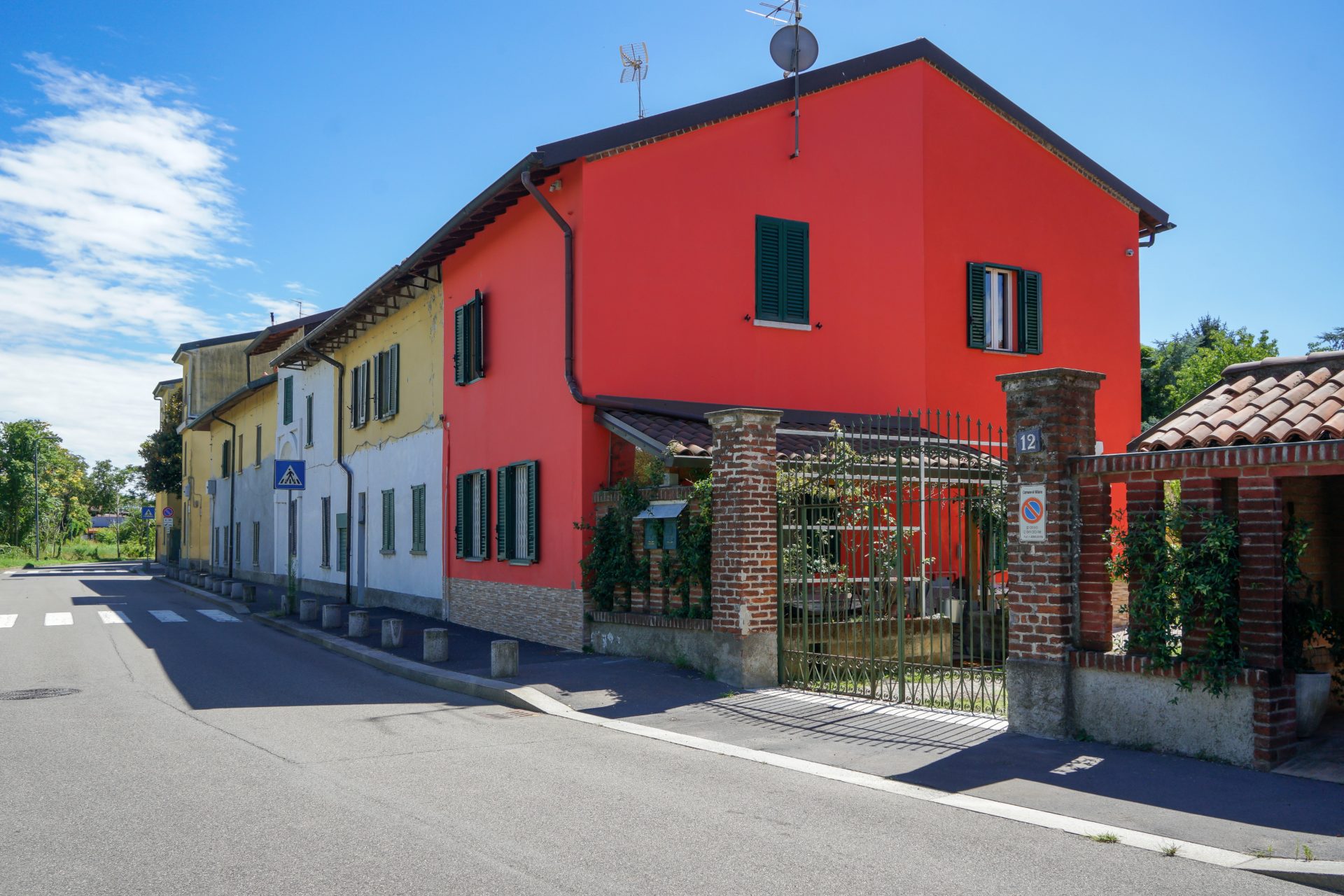
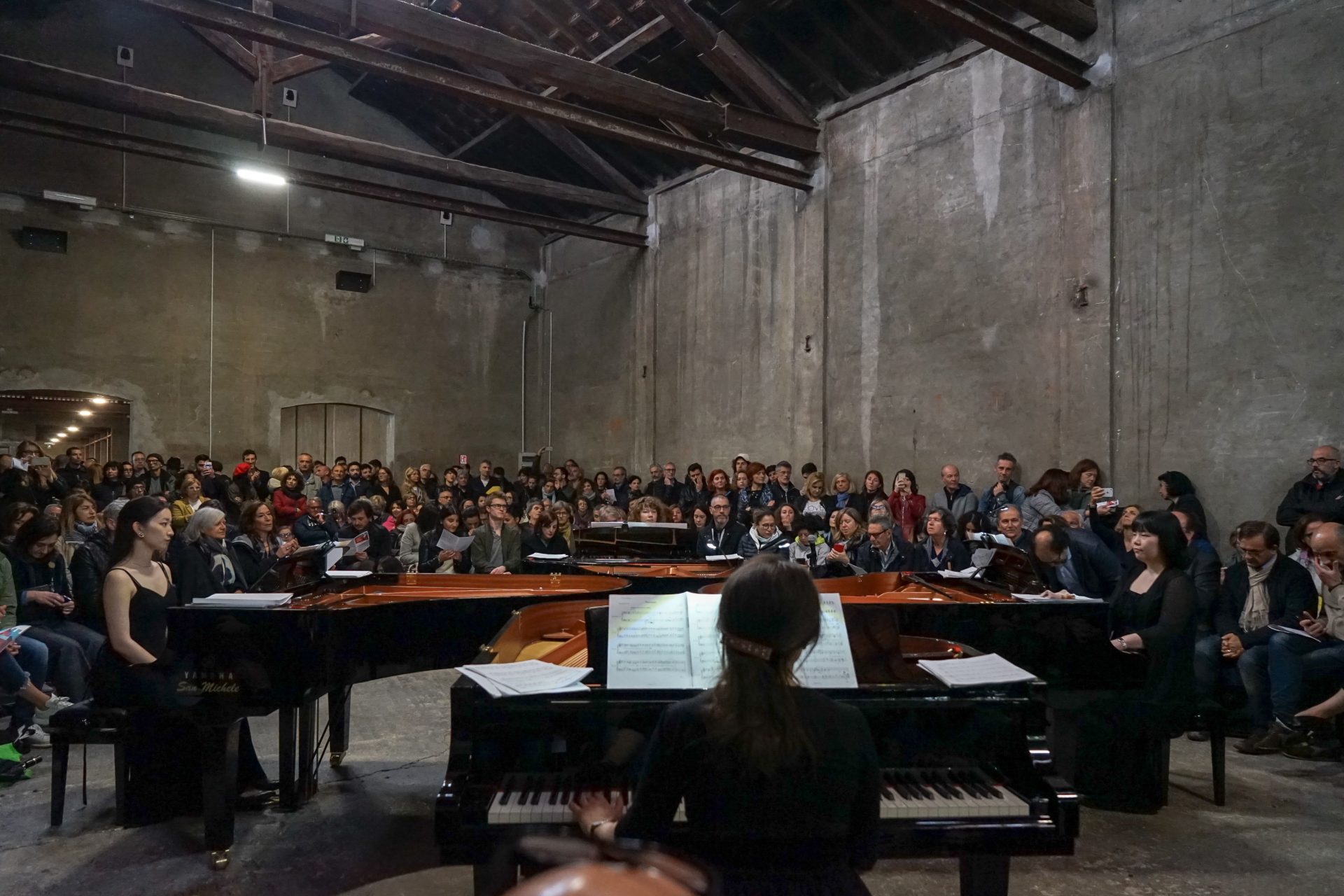
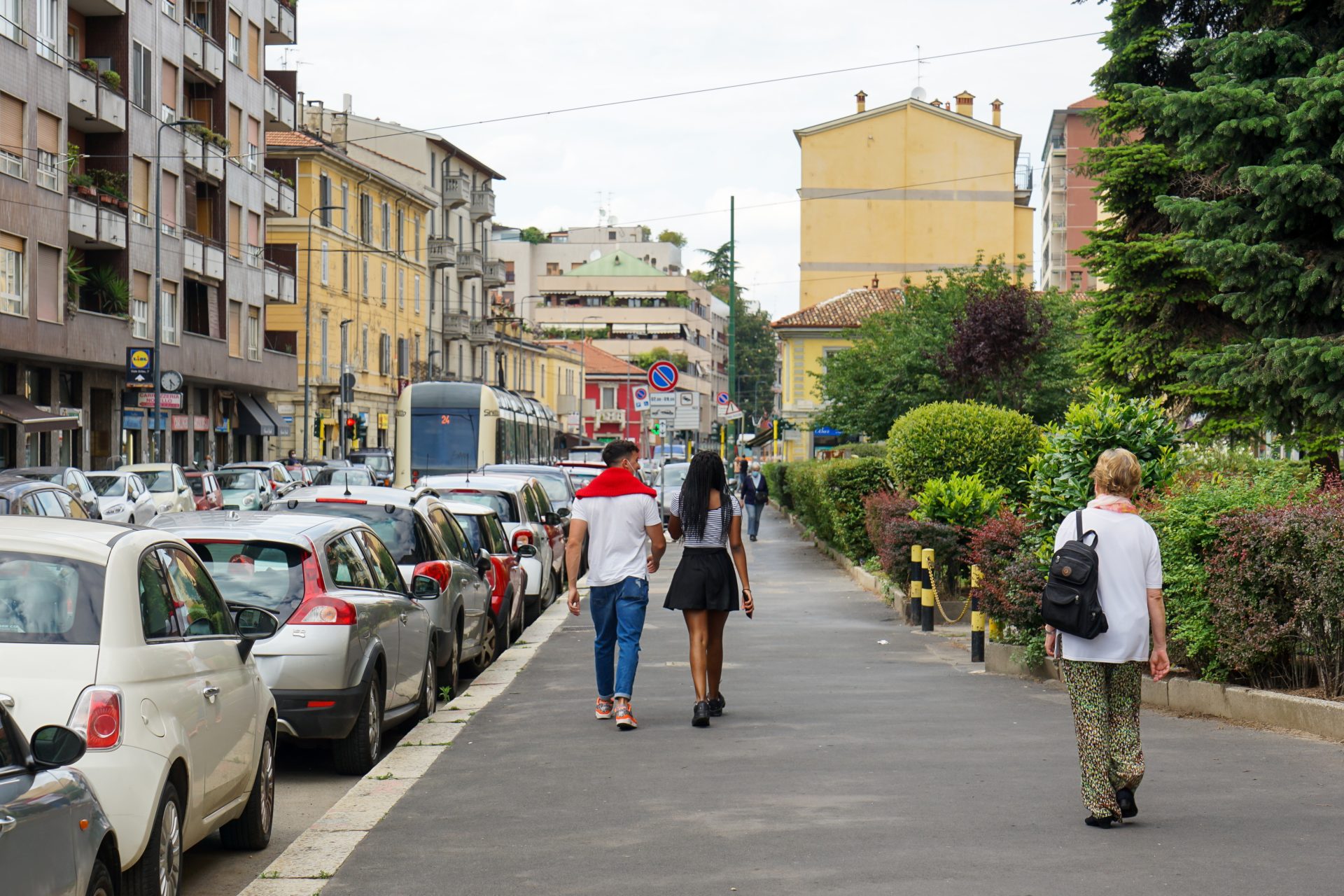
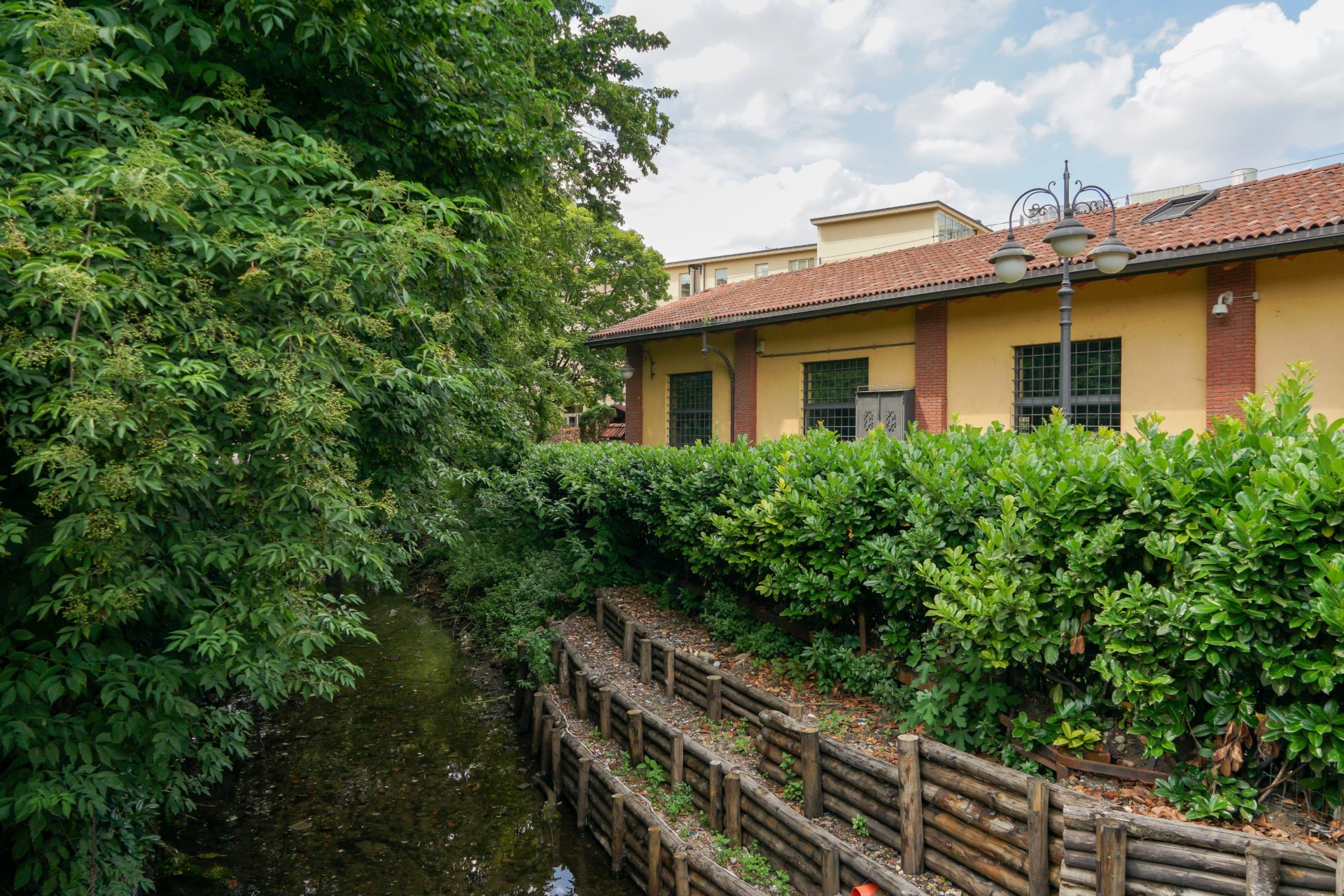
This area is experiencing an interesting regeneration process thanks to the opening of cultural centers and companies which will ensure greater connections to the public transportation system. Colorful markets, numerous local stores and nonprofit organizations create a strong sense of community and support among locals, which can be felt in traditional places like the historic Trattoria al Laghett. Many former factories have been turned into trendy creative offices, sharing the area with coworking and digital innovation spaces (like Talent Garden), schools and sport centers.
Lifestyle
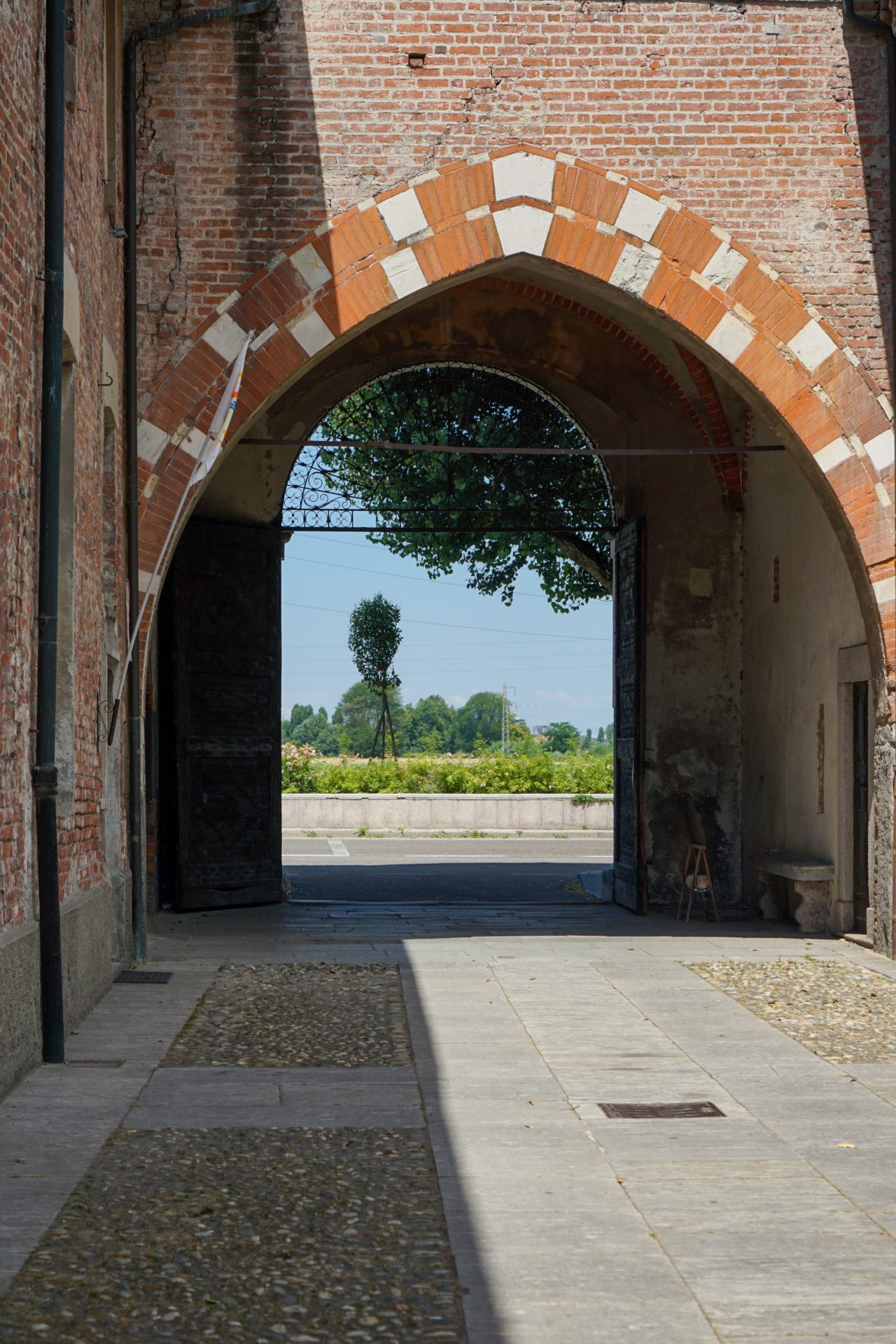
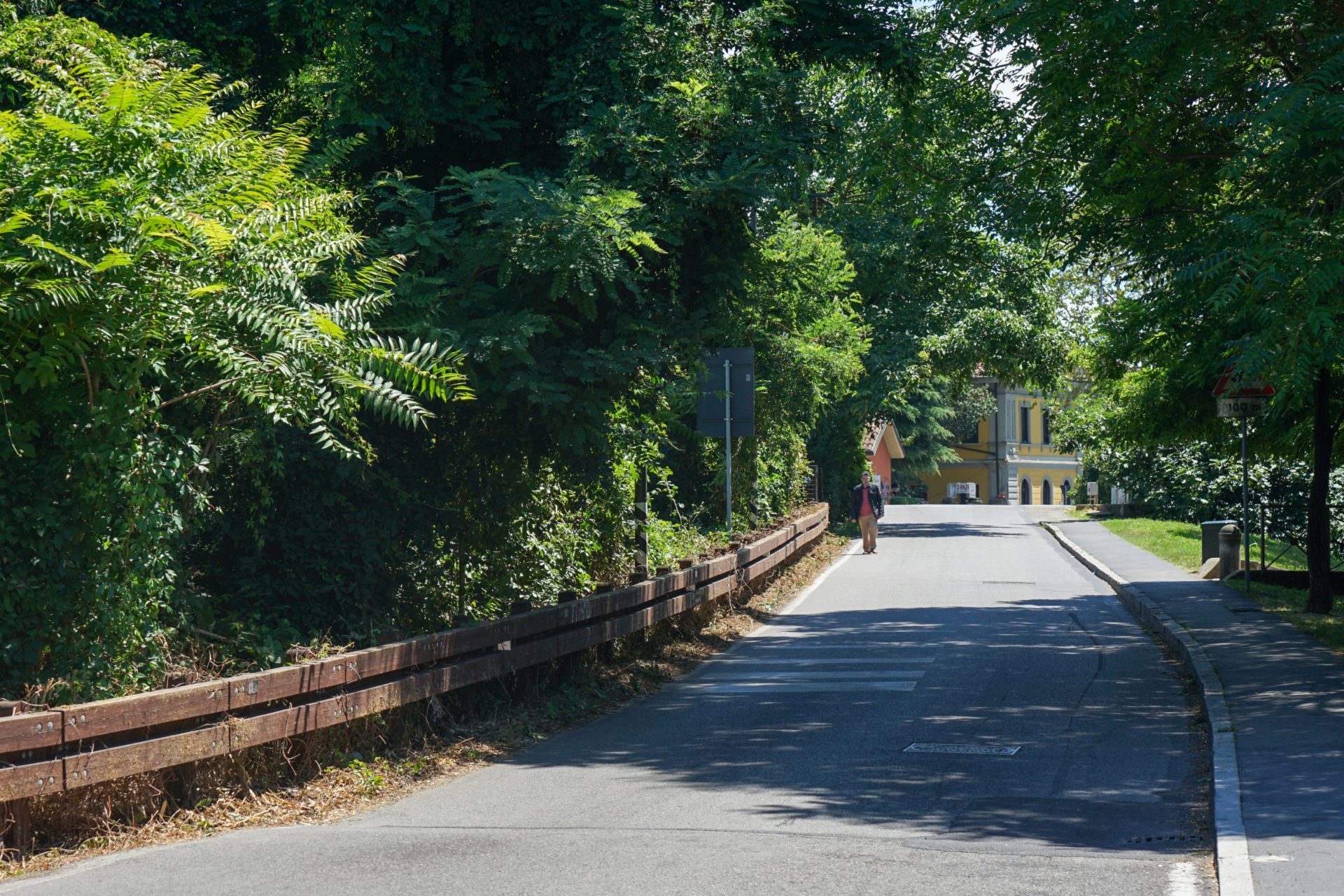
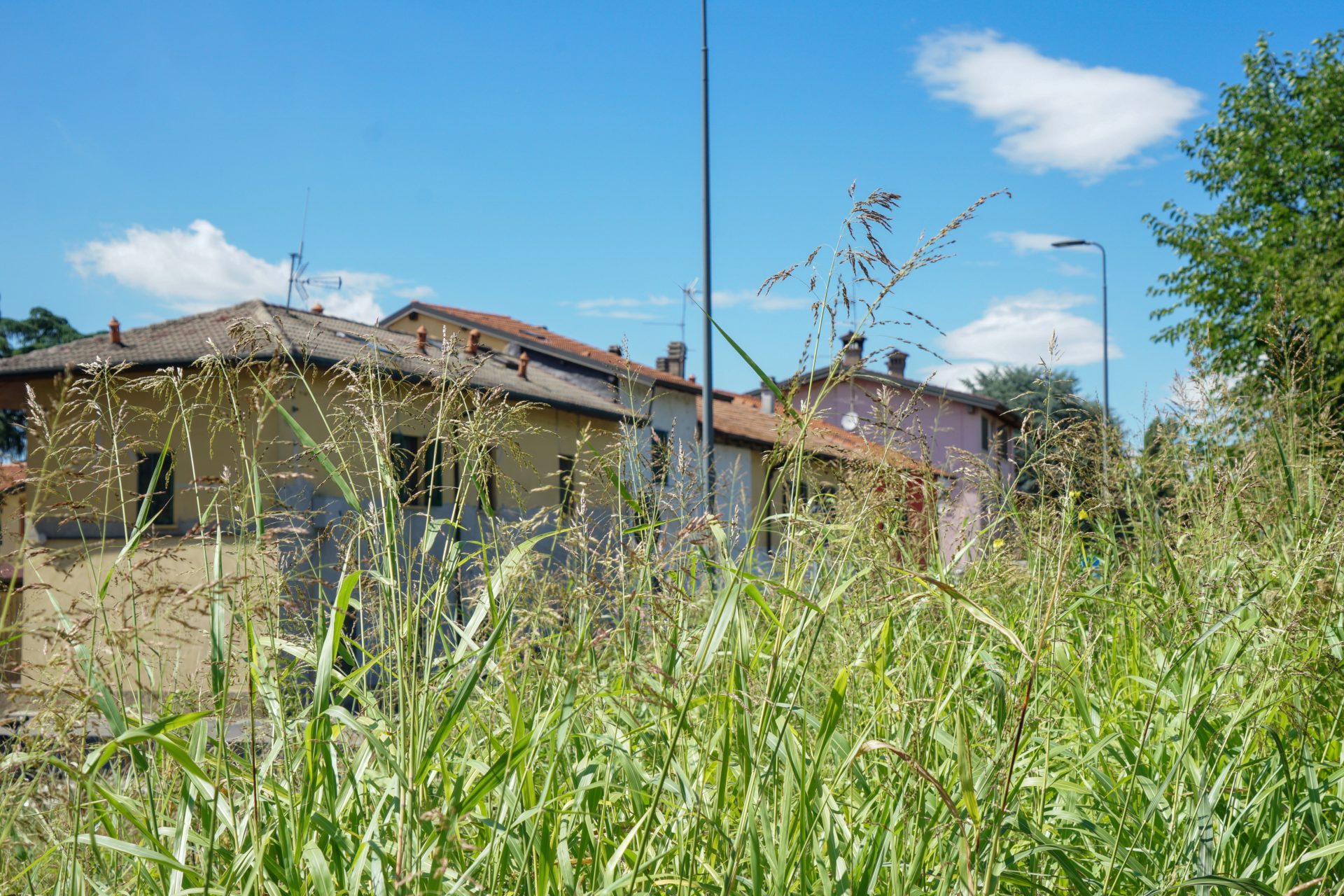
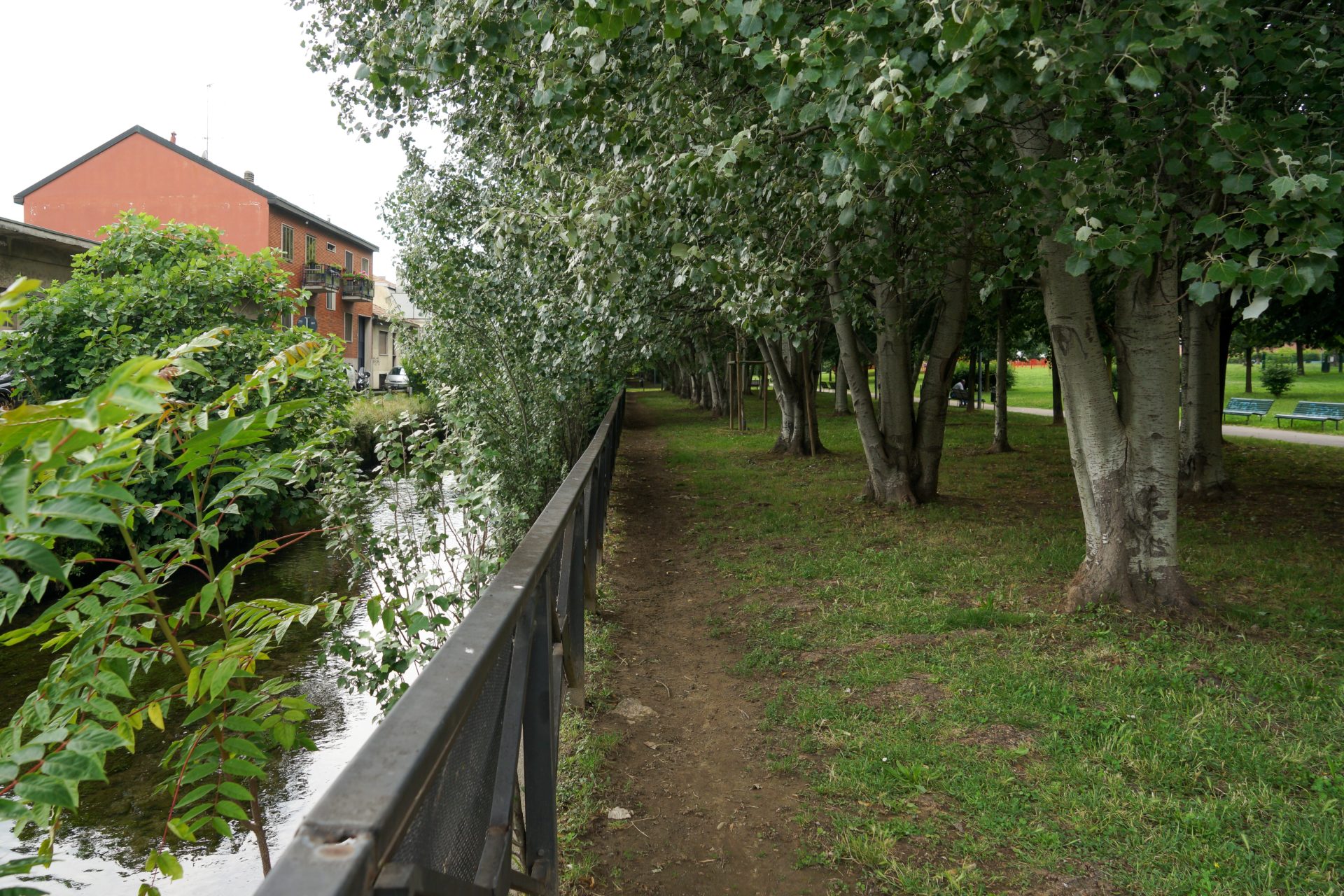
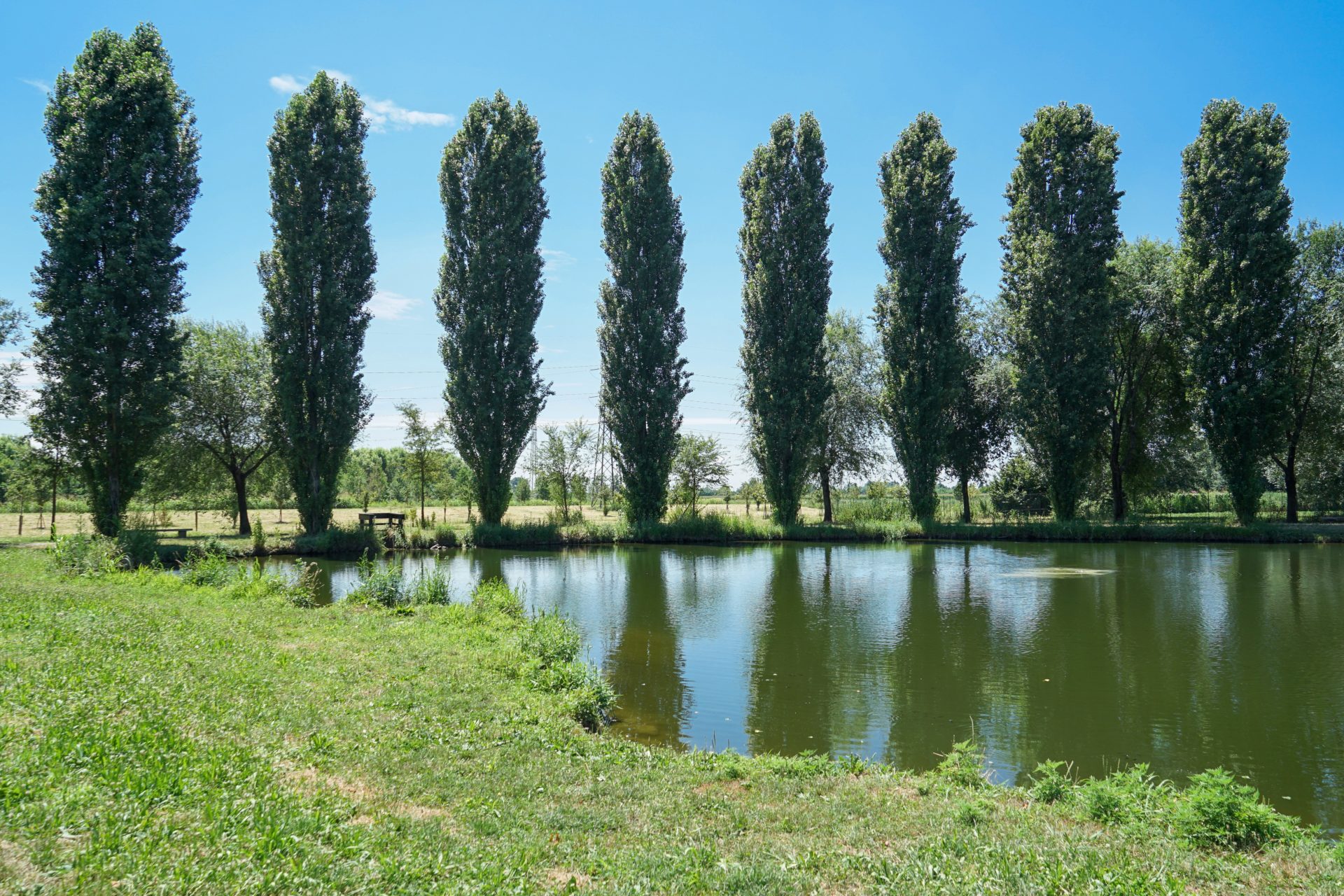
If you want to live in an area where the industrial past coexists with a creative and multiethnic liveliness with a smart and green soul and prices are still affordable, then this is the right place for you. Here, you can easily travel by car but also by bike using the pedestrian and cycle paths crisscrossing the surrounding greenery and revealing the passage from an urban landscape to a rural one.
What not to expect
This area is not meant for those who love the liveliness of urban living. Instead, it can be appreciated by those who love nature and the cultural offering resulting from community engagement.
Real Estate market
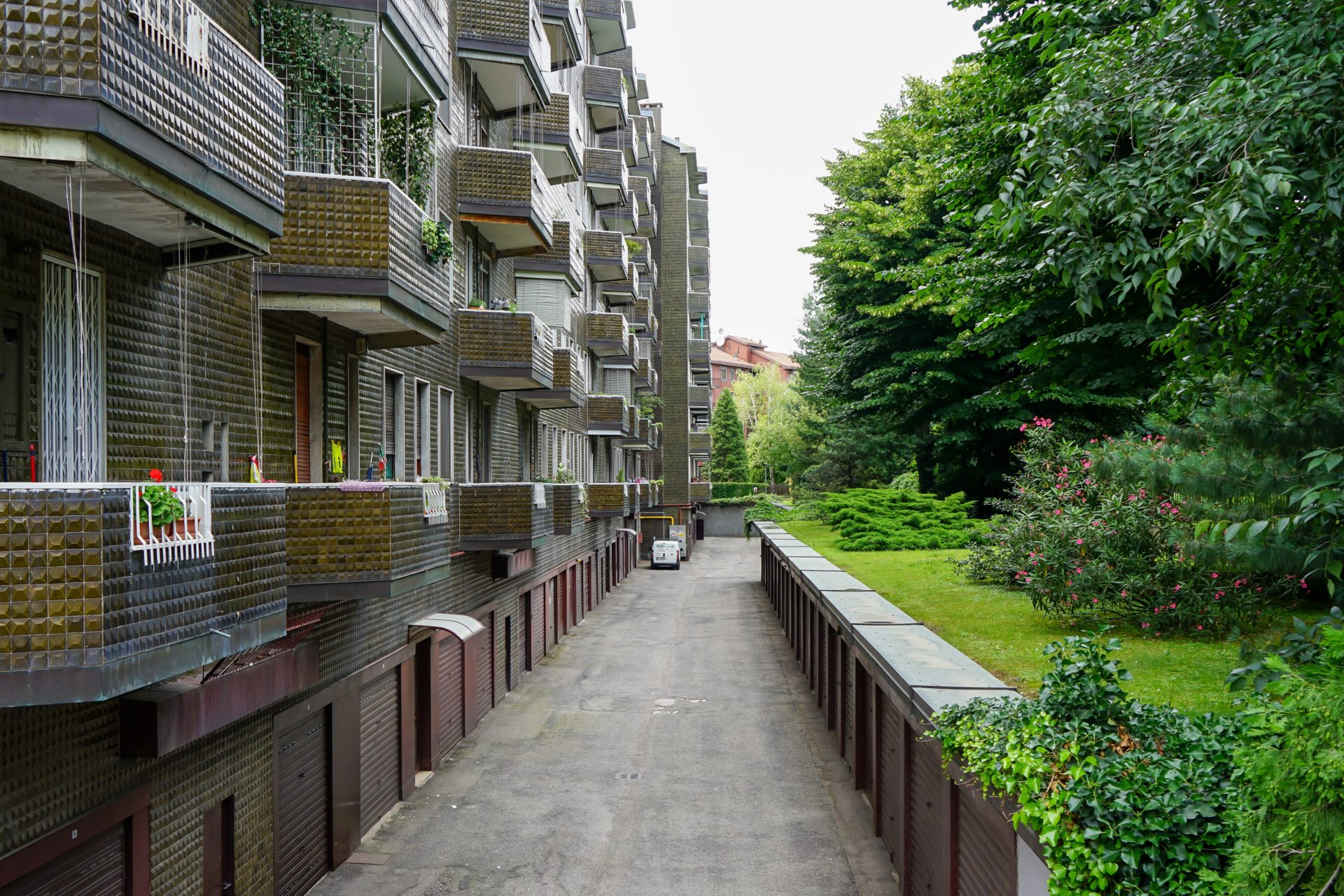
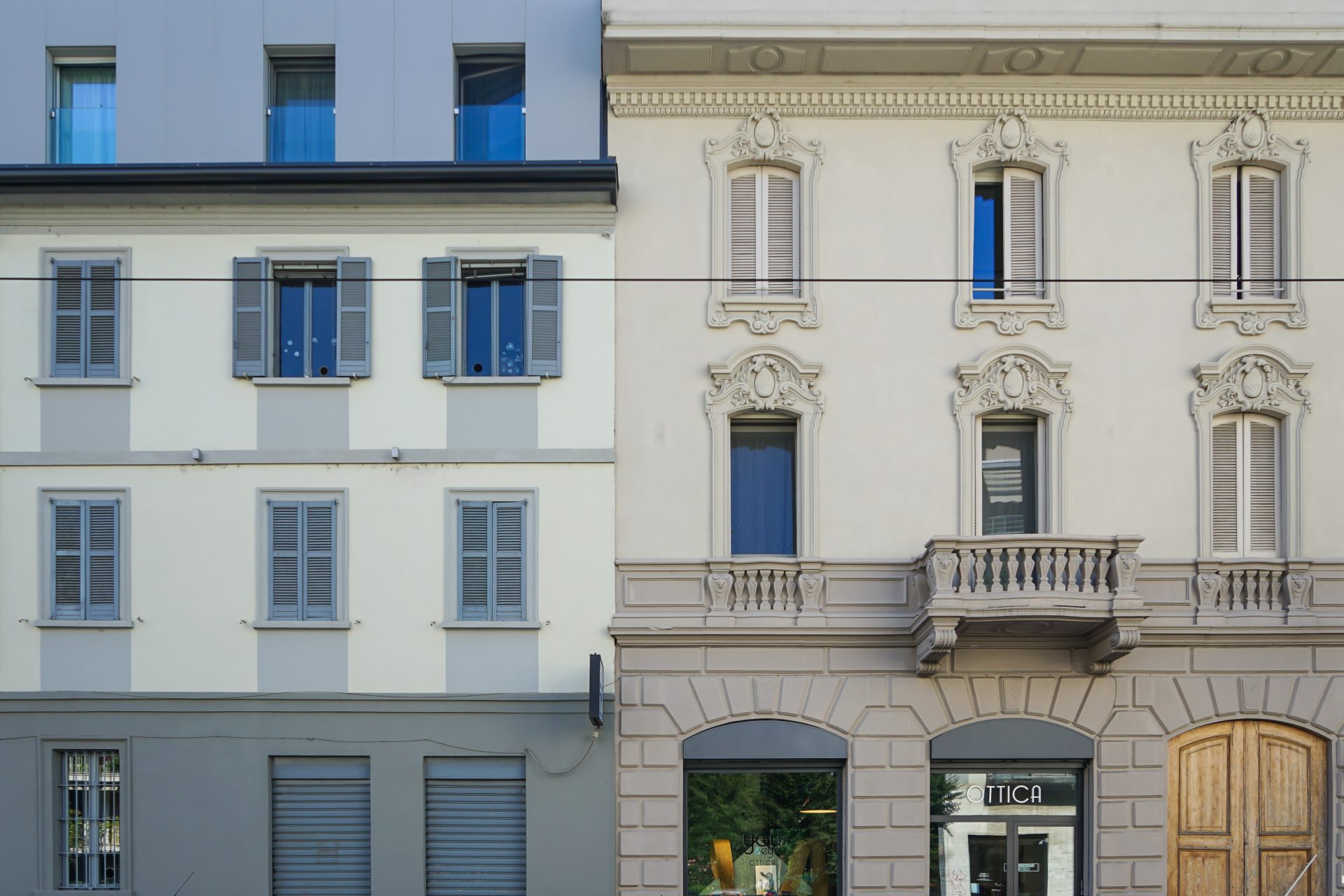
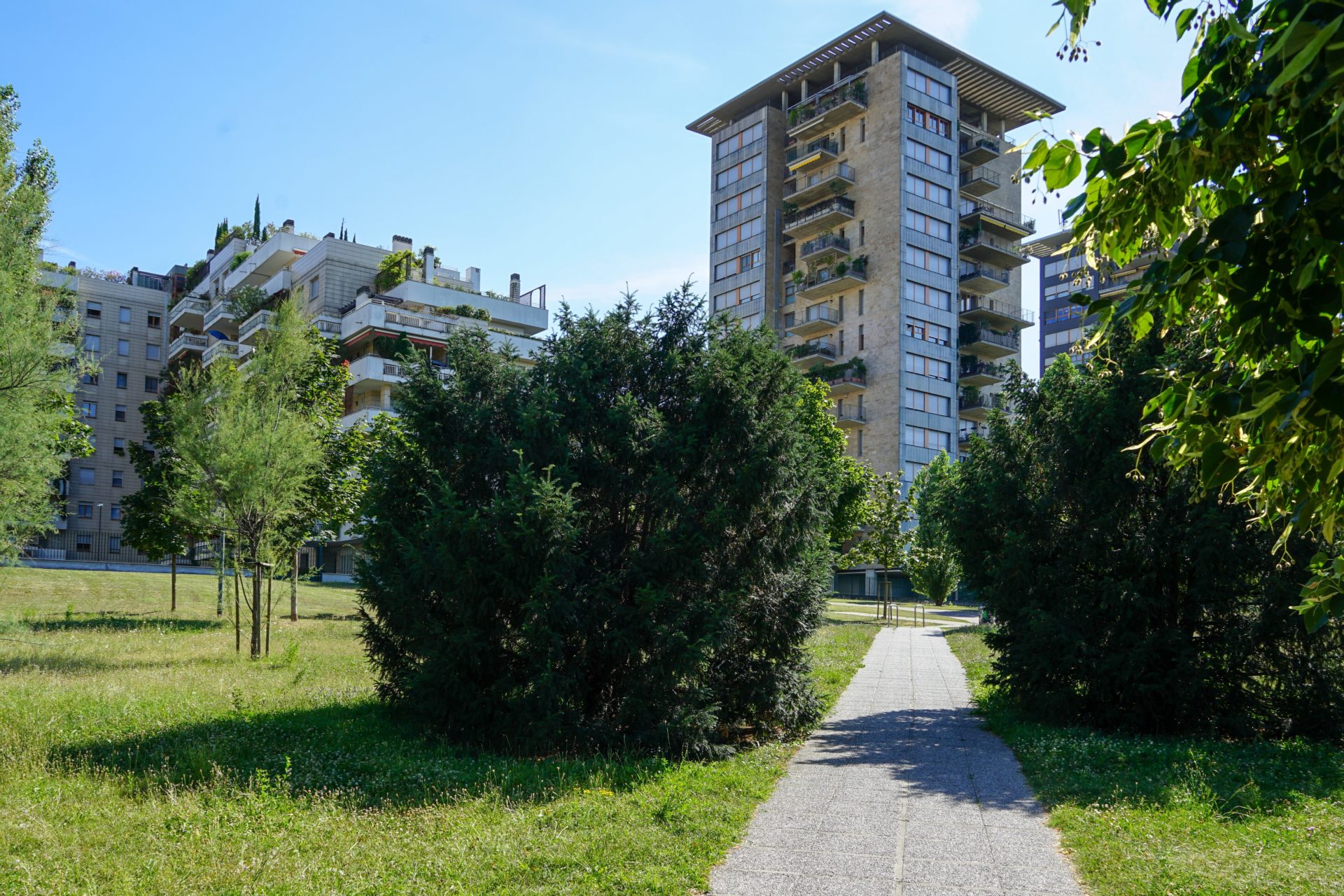
The area is mainly residential, offering XX-century buildings, many working-class apartment buildings built during the economic boom, farmsteads which have been partly recovered and former industrial complexes refurbished or under renovation. There are also more recent residential complexes like the ex OM area with its residential towers.
You are going to love…
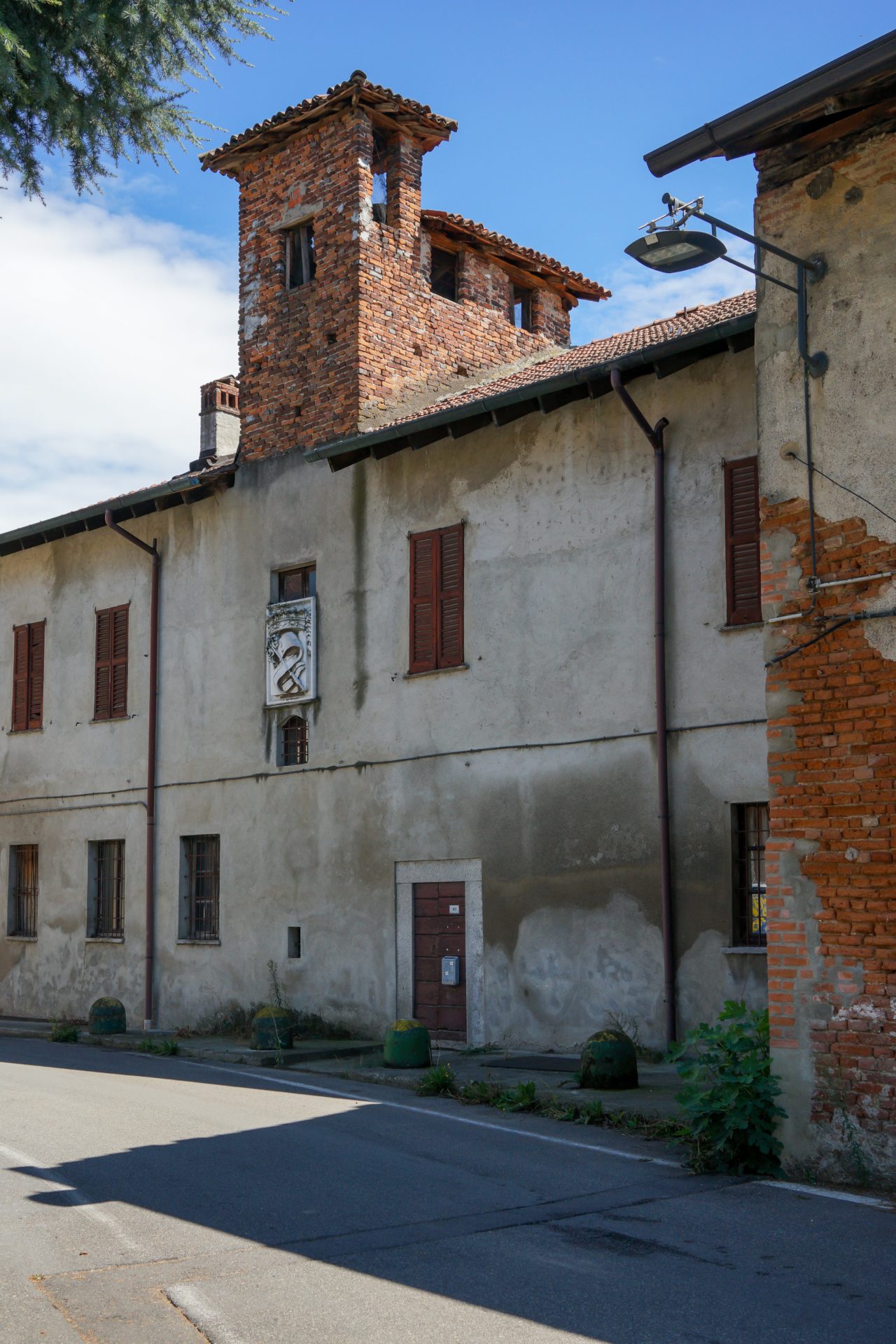
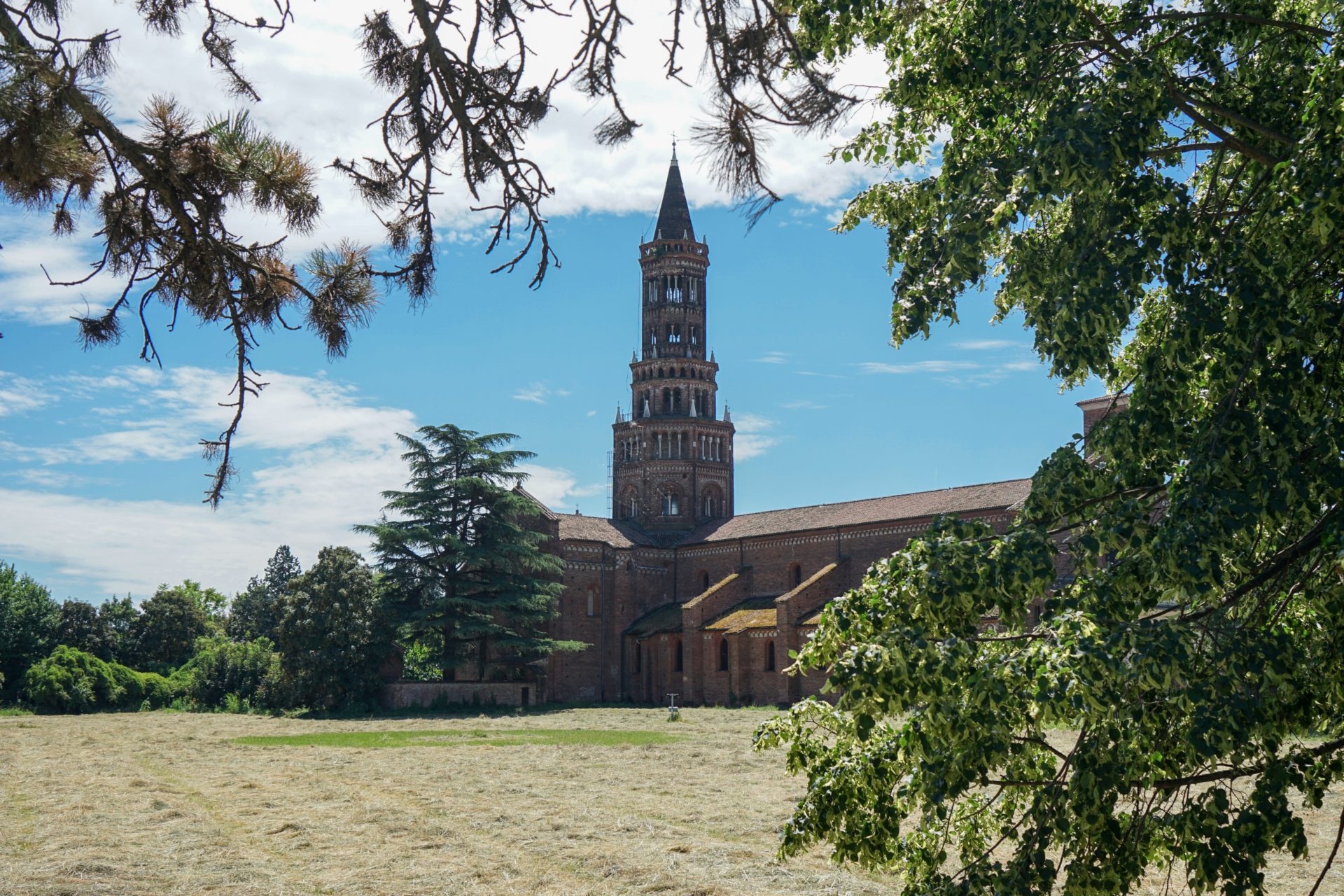
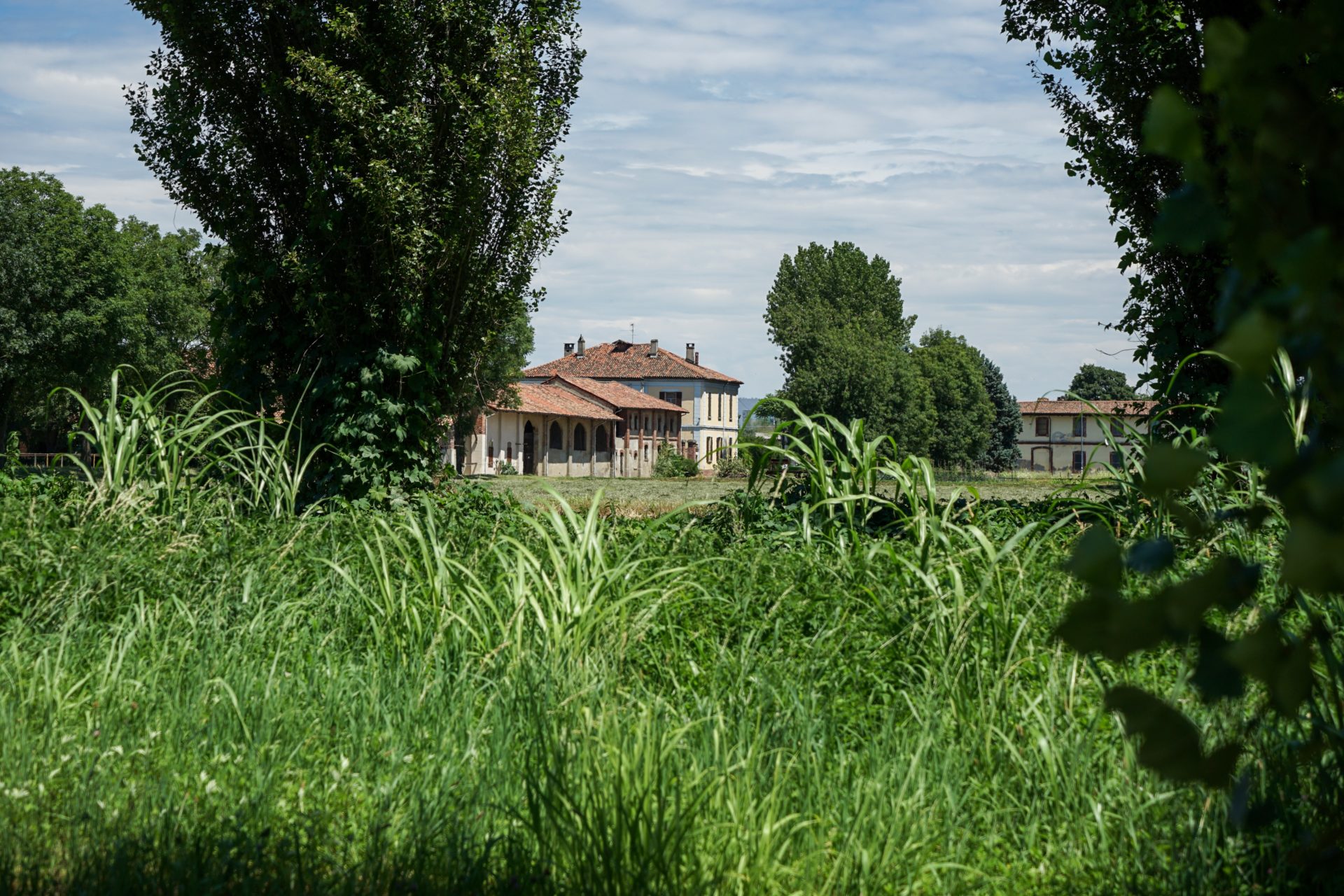
In this area you will love the Ciribiciaccola, the fourteenth-century bell tower of the Chiaravalle abbey, which marked the prayer and working time both for monks, and farmers. Close to the village of Chiaravalle, you can also admire the stretch of fields, which suddenly appears upon leaving the city behind and gives the illusion of a jump back in time.
Behind the corner
The area is close to the Bocconi University, the Parco Ravizza, the San Donato Metanopoli and the Le Rovedine Golf Club.