



Navigli
Milan
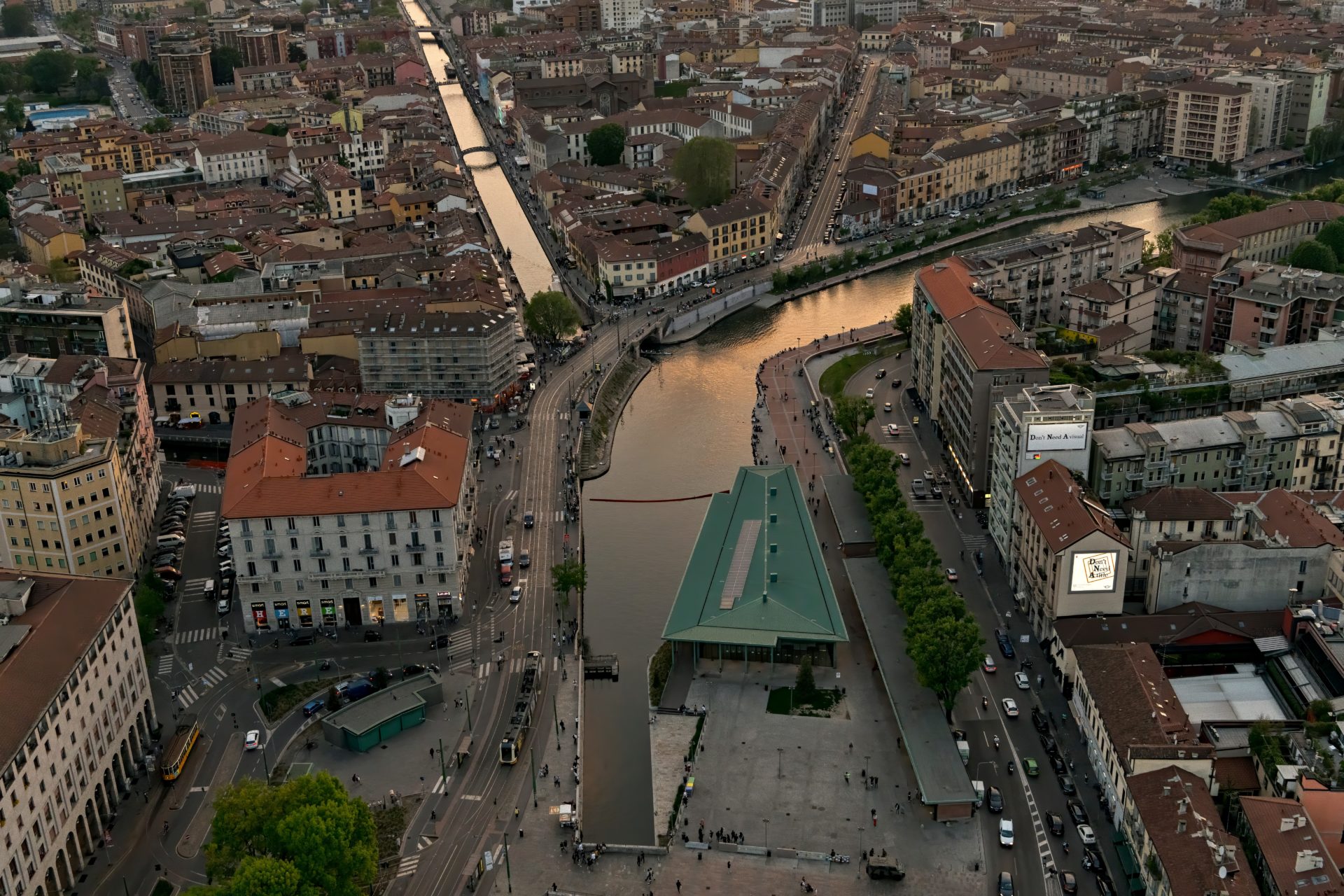
Strategically connected to the close city center, the area provides a living mixed offer that includes historical residences and factories, which have been redeveloped as modern lofts, and new residential complexes mainly destined for students and professionals.
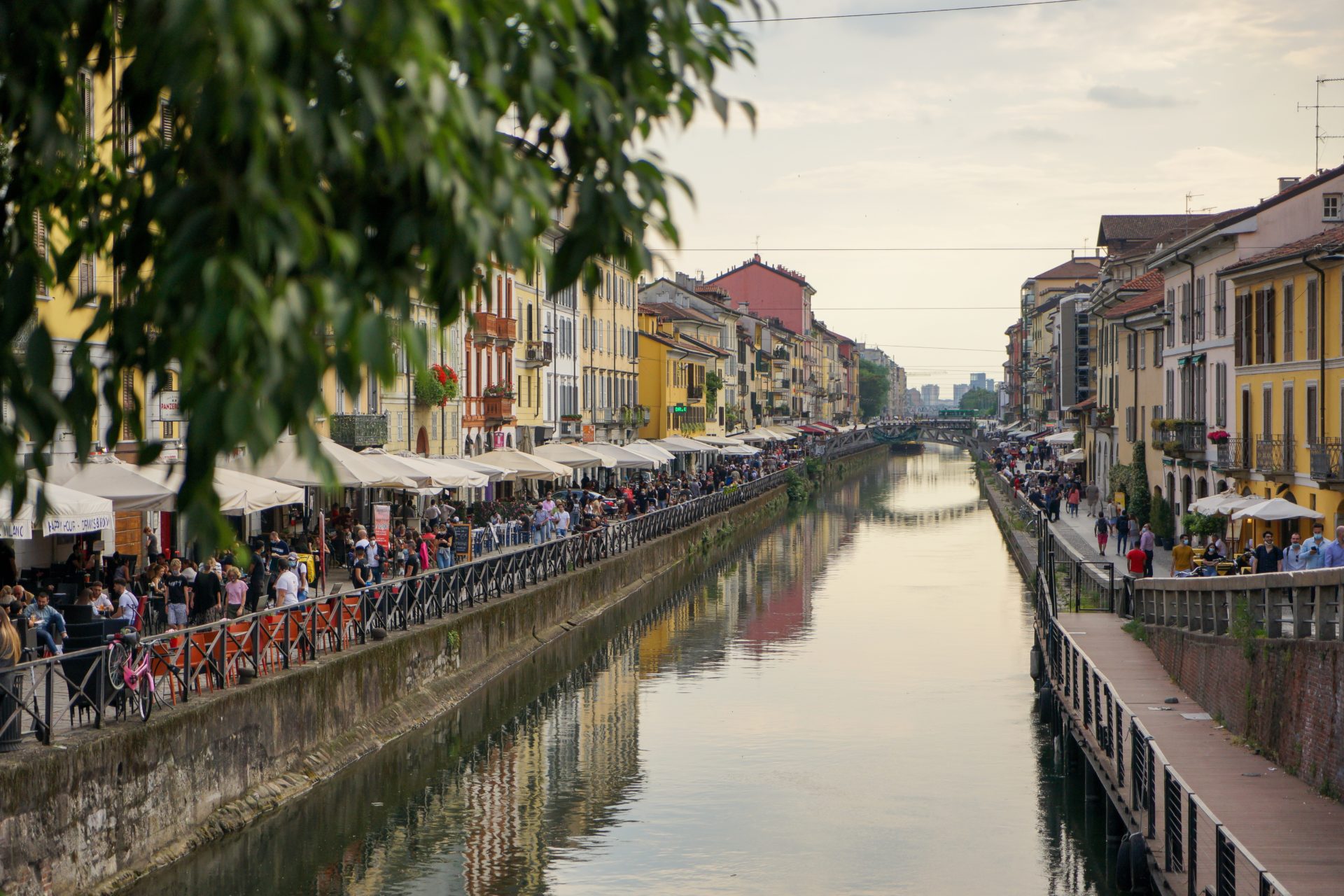
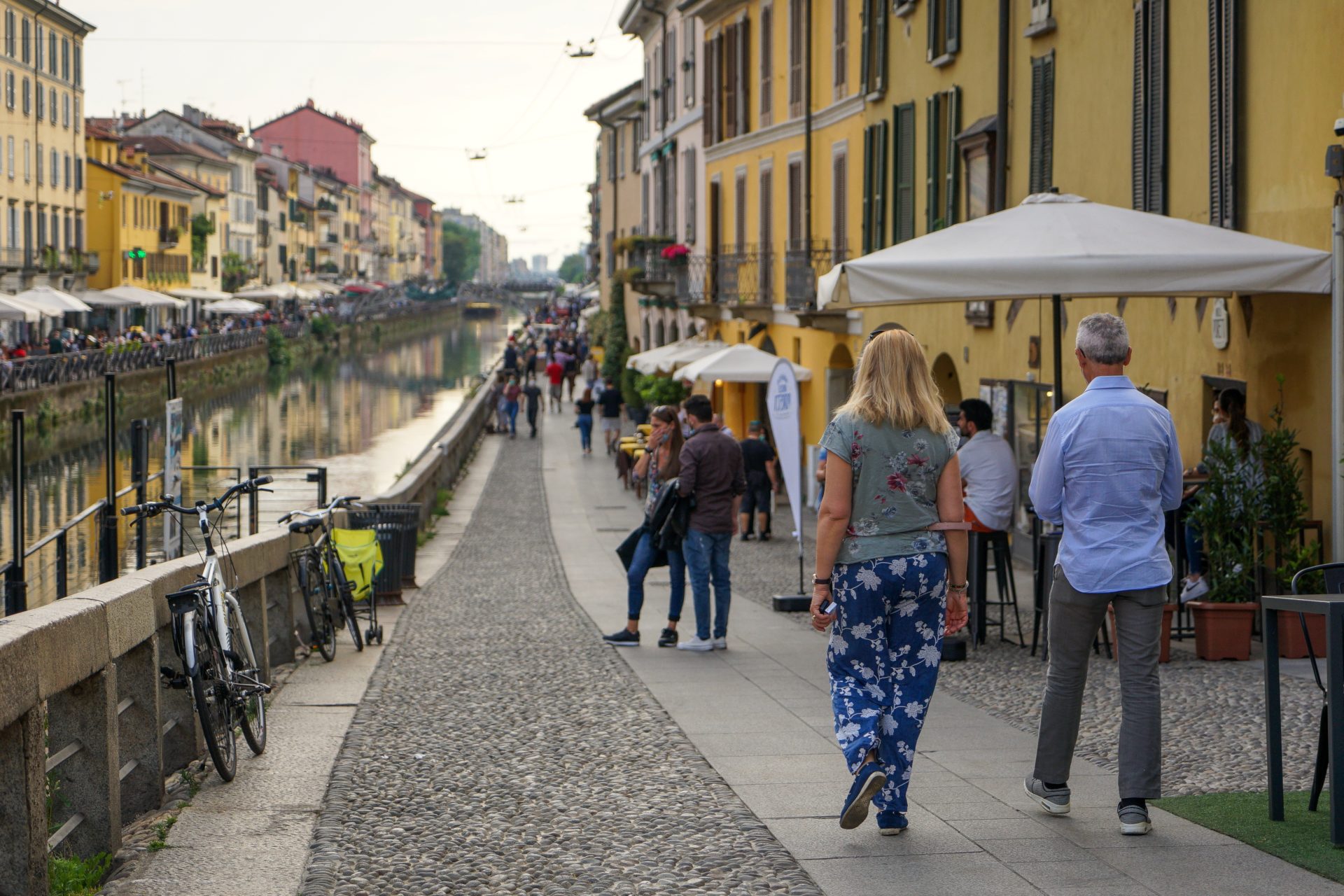
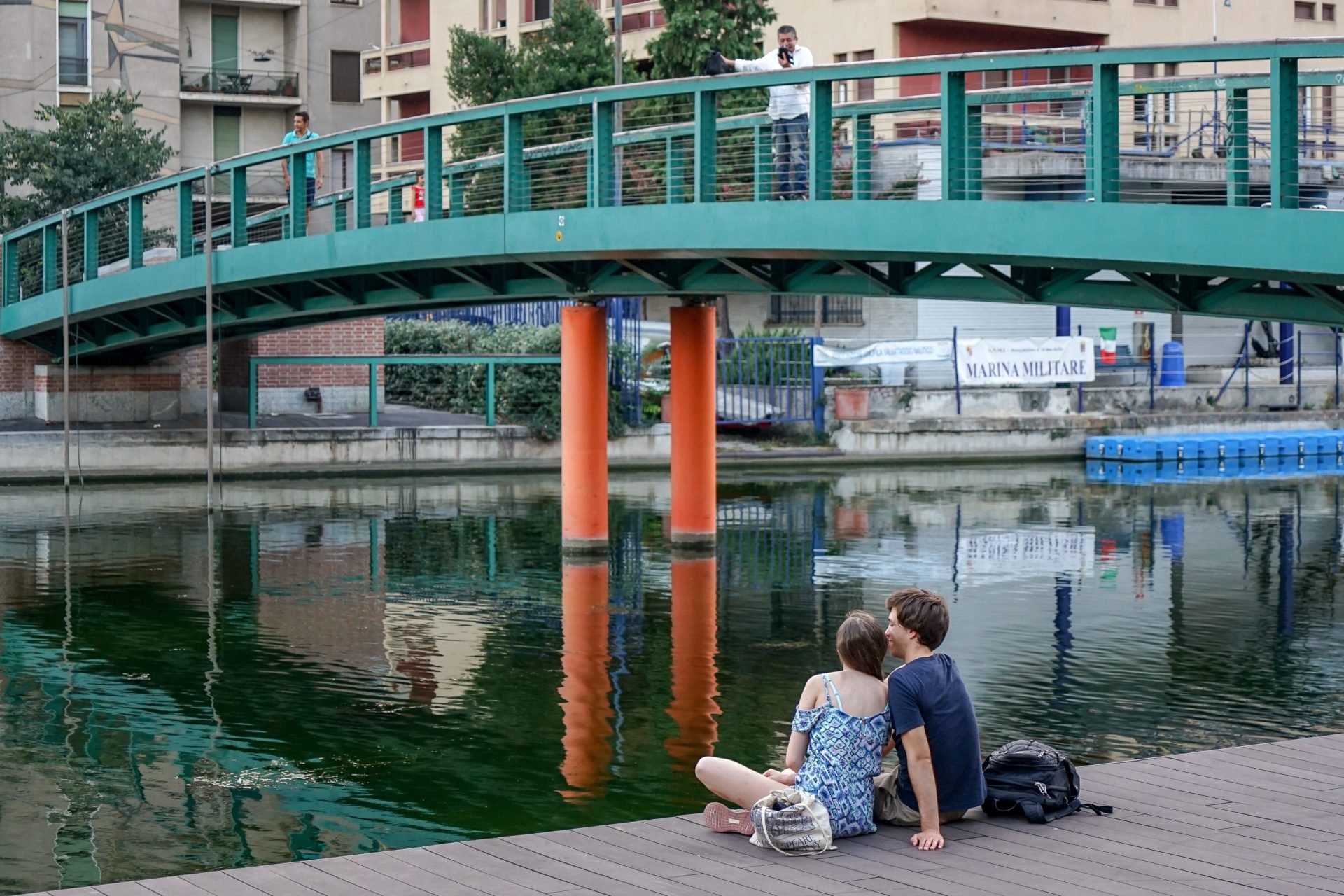
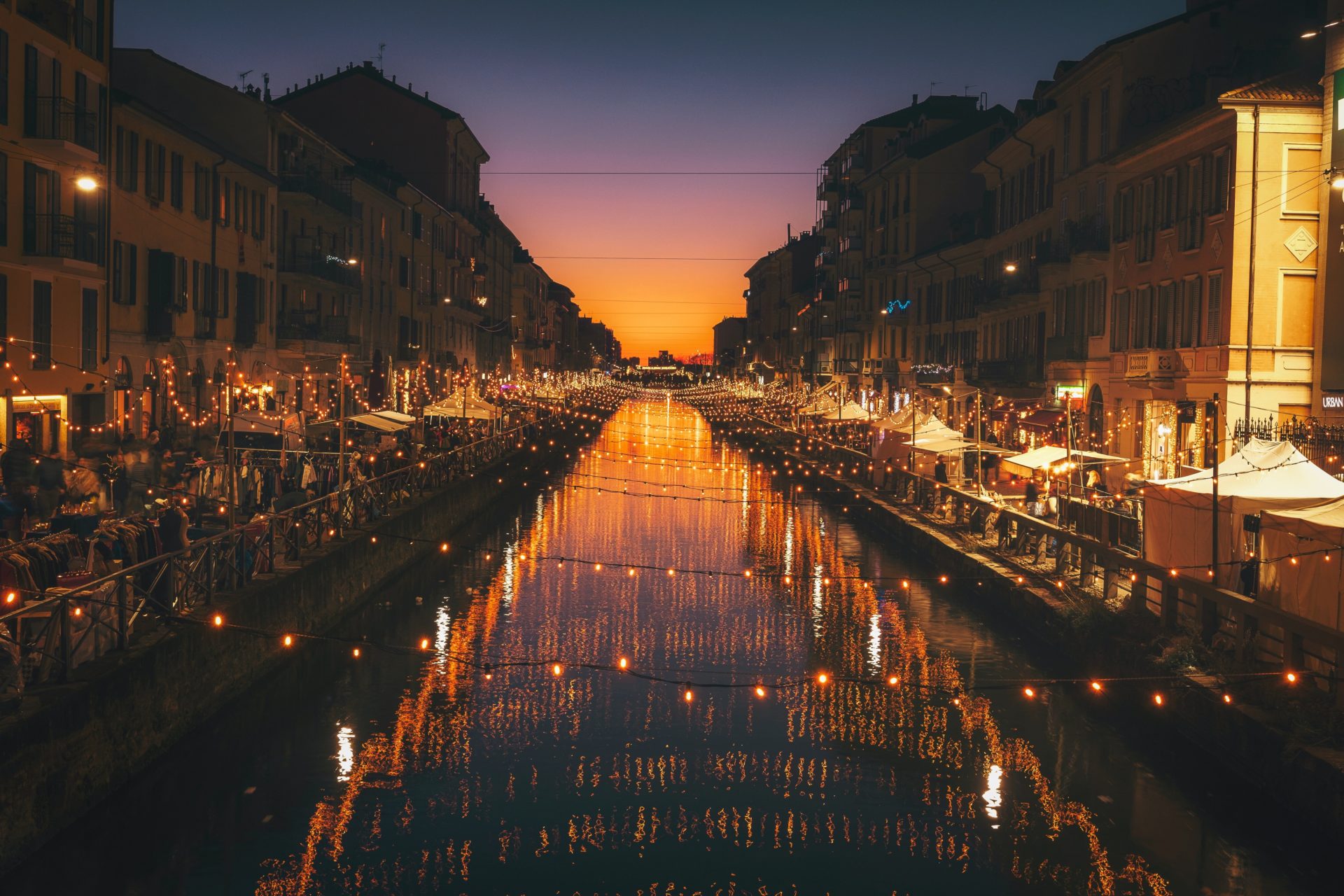
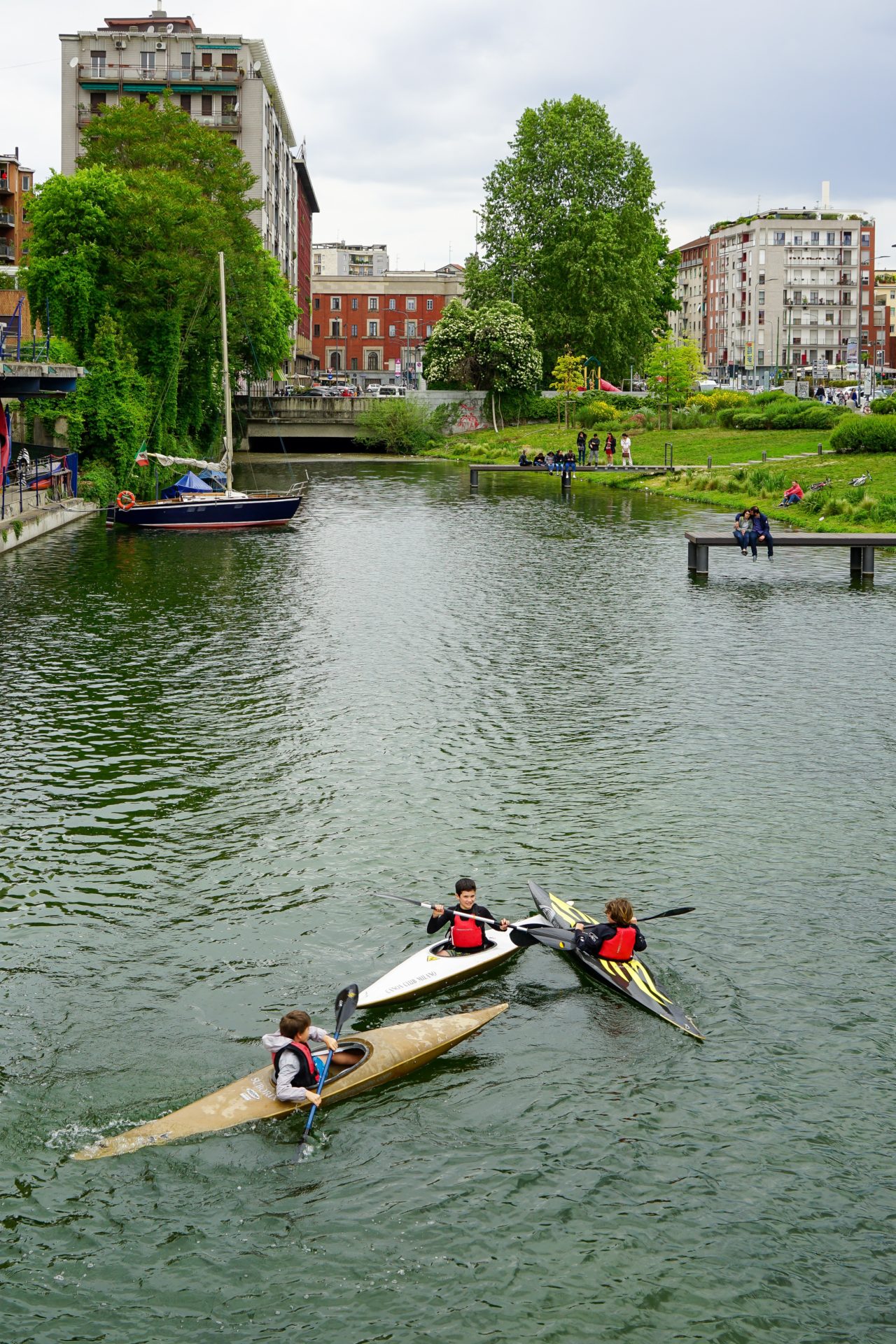
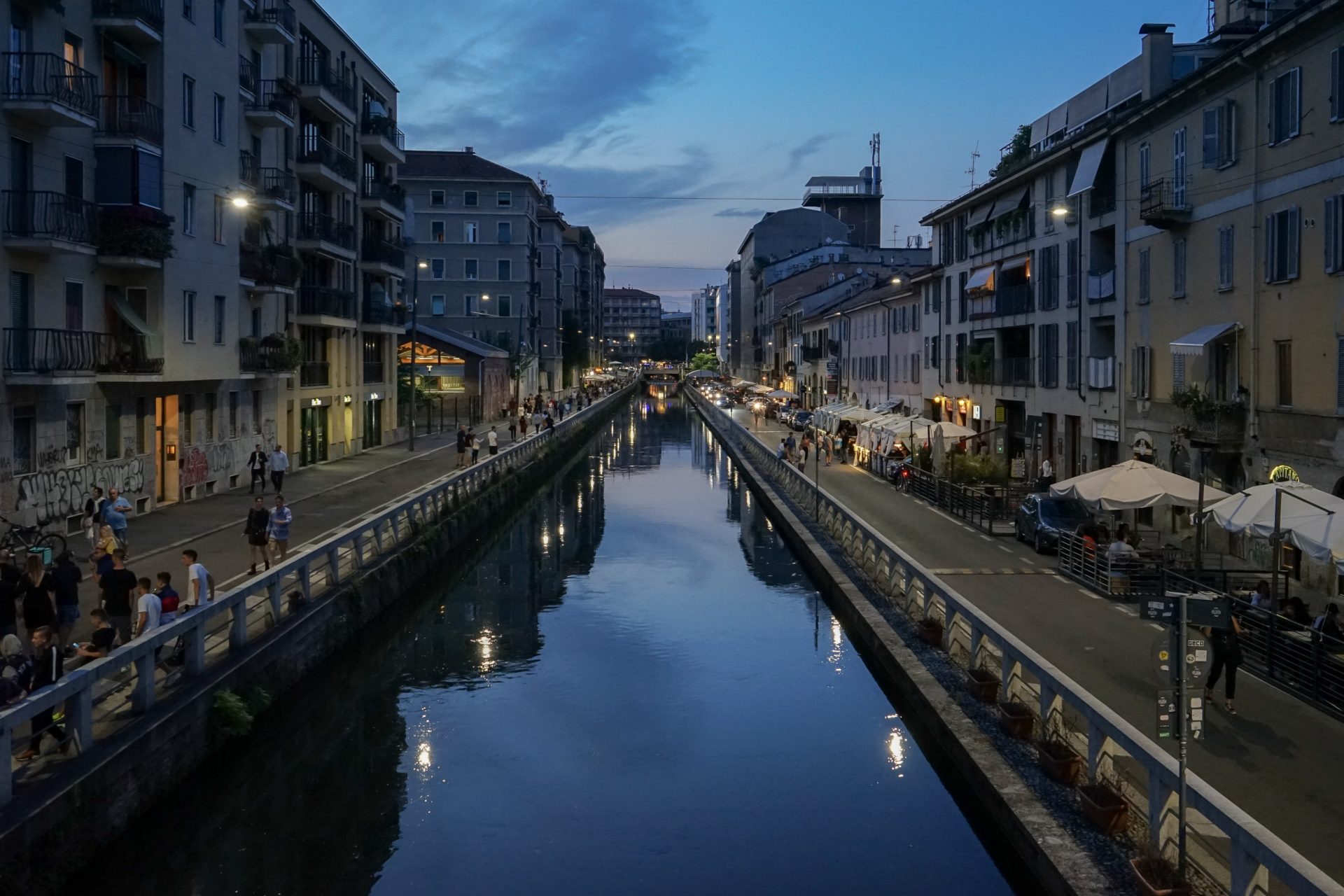
Enjoy the Old Milan bohèmien atmosphere which can be breathed walking through the streets along the Navigli, where you will find trendy pubs for the nightlife, ethnic stores, items store and antique markets. Just go visiting the big industrial archeology spaces, which have been redeveloped as places for the culture and fashion industry, and fully enjoy the lively nightlife, livened up by many young and creative people whom you can meet along the new Darsena.
Key Details
What to expect
Lifestyle
What not to expect
Real estate market
You are going to fall in love with
Keywords
Commute times
Duomo: 15 min. by car, 13 min. by public transportation
Castello Sforzesco: 10 min. by car, 8 min. by public transportation
Cadorna Station: 13 min. by car, 6 min. by public transportation
Central Station: 20 min. by car, 18 min. by public transportation
Milano Malpensa: 45 min. by car, 1h by public transportation
Milano Linate: 20 min. by car, 50 min. by public transportation
Transportations
Closest underground lines
Line 2 (Stops Porta Genova, Romolo)
Surface Transport
Well connected to both trams and buses
Railroad Service
Porta Genova railway station
Highways and freeways
20 min from the A1, 20 min from the A4, 10 min from A7, 20 min from A8, 25 min from the East freeway, 15 min from West freeway, 35 min from North freeway
Boundaries
East: Ripamonti street
West: Cassala avenue
North: Tortona street, D’Annunzio street, 24 Maggio Square, Col di Lana street, Beatrice D’Este avenue
South: Tibaldi avenue, Toscana avenue
Neighborhood areas
De Amicis, Ticinese
Porta Romana, Cadore, Montenero
Solari, Washington
Napoli, Soderini
Quadronno, Palestro, Guastalla
Scalo di Porta Romana, Ripamonti, Vigentino
Famagosta, Barona
A walk through the district
An area originated at the end of the IXX century, with the production activities linked to the Darsena and the Porta Genova railway station, which included big industrial settlements, among council houses and little factories. After the Bastion walls demolition, the city expanded with more recent settlements, like the Bocconi University campus. Nowadys it is the liveliest area of the city, which houses creative activities in the redeveloped old factories and it is one of the nightlives centres during the night.
What to expect
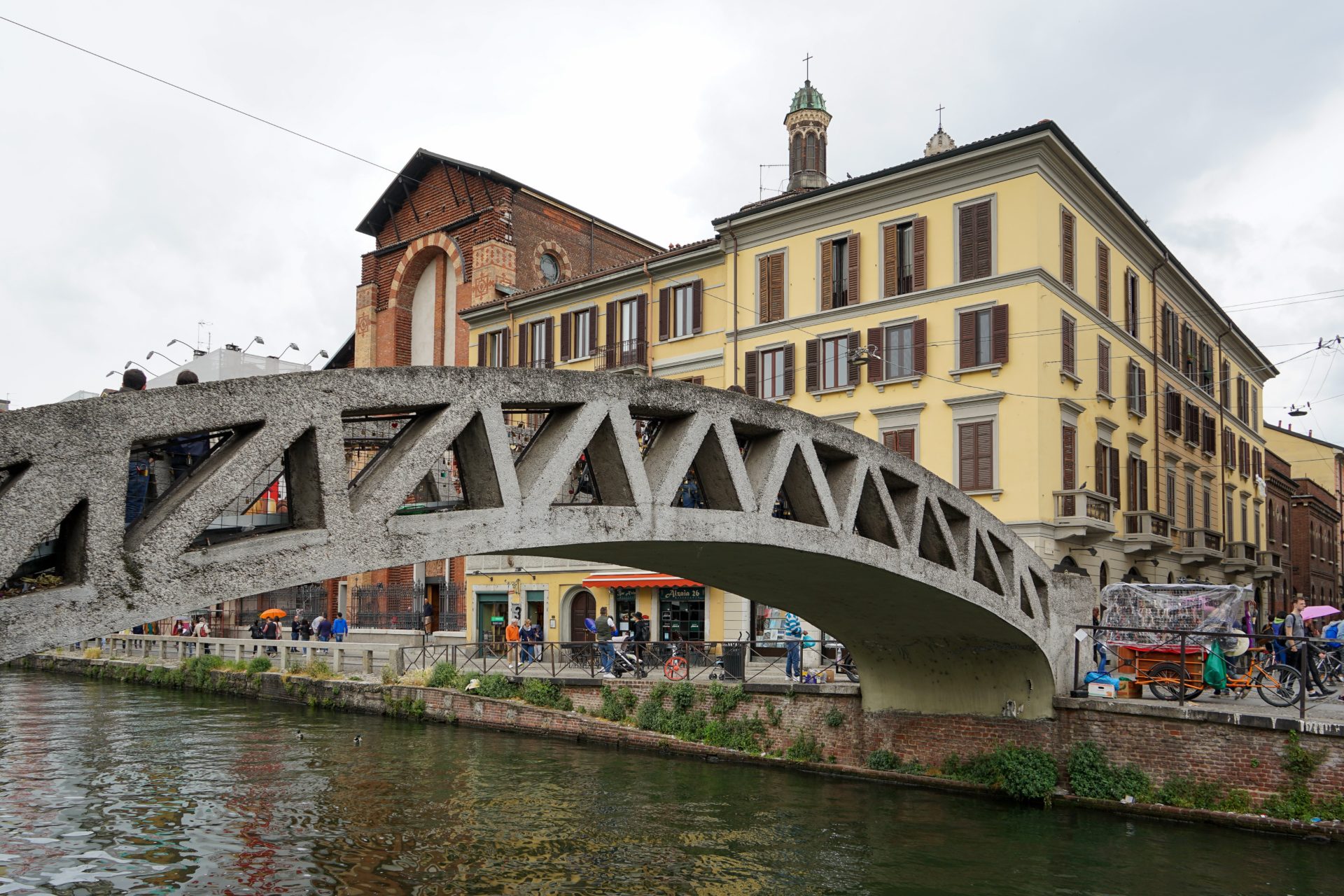
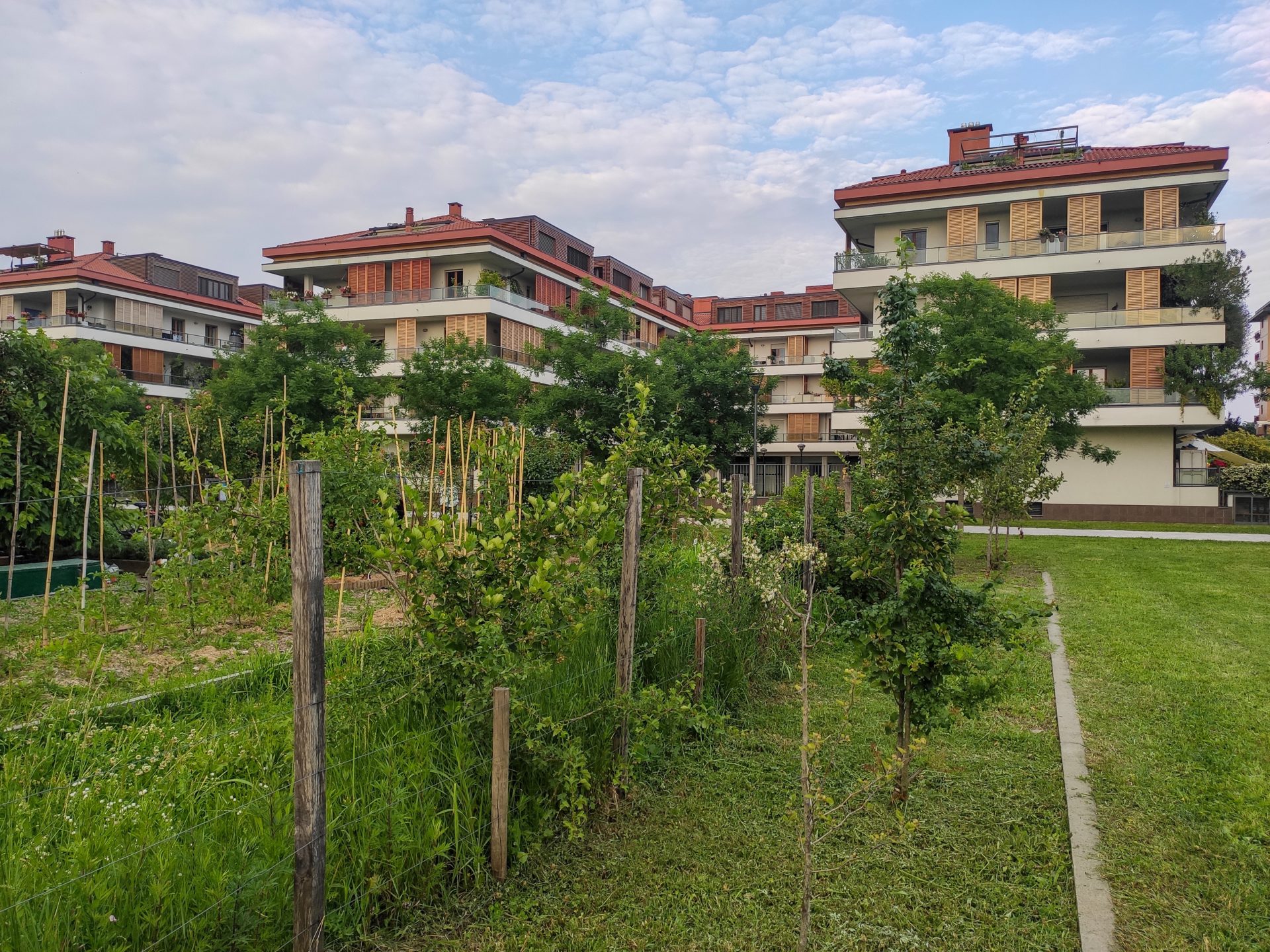
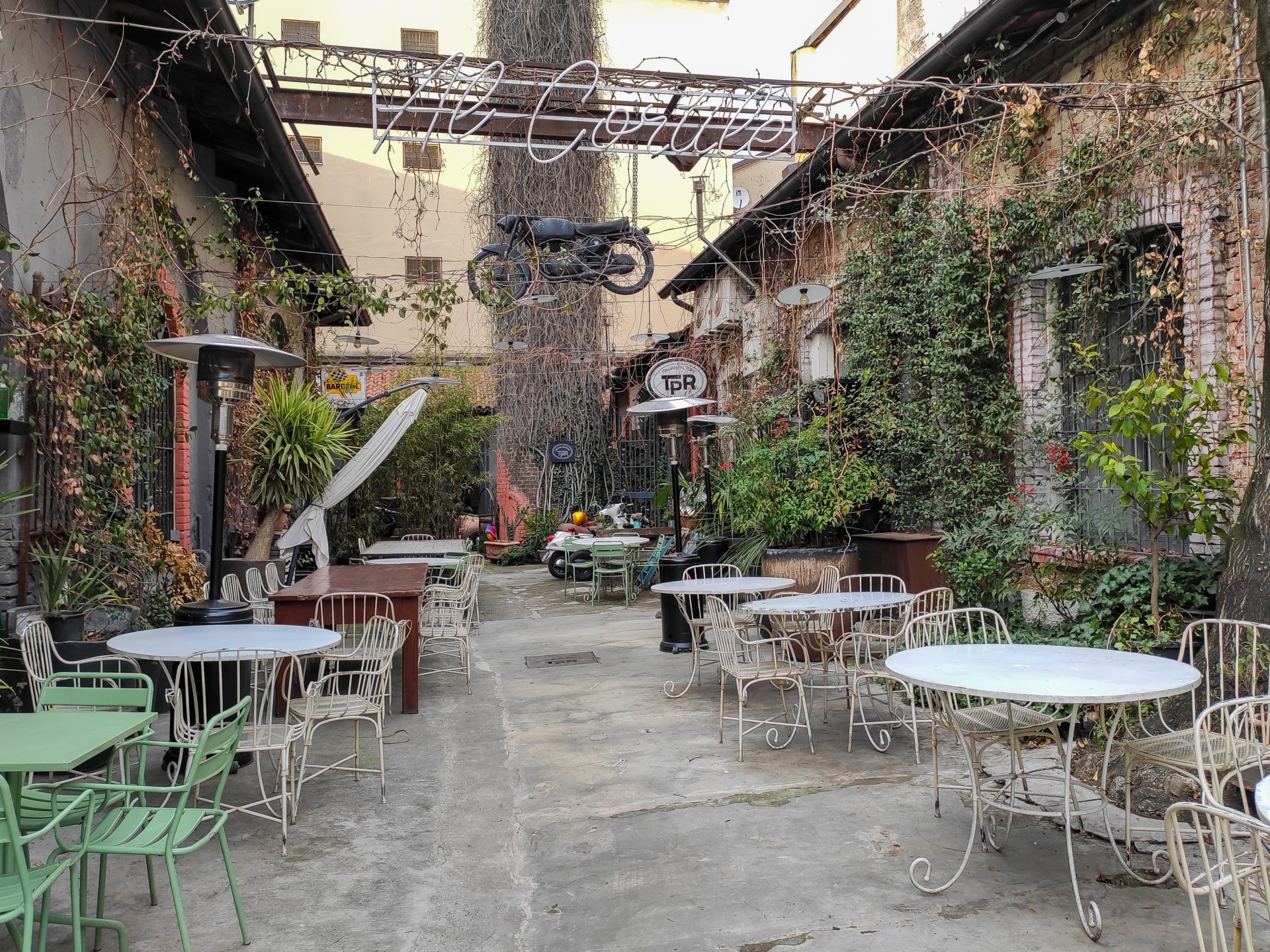
Nowadays, in the Navigli area, you can still live the Old Milan enthrallment, with banister houses with extended courtyards and double view.
Here, antique shops, items shops and markets liven up the Navigli banks all year long. The new Darsena – redeveloped for the Expo – has become a young attraction thanks to the street food, concerts and events.
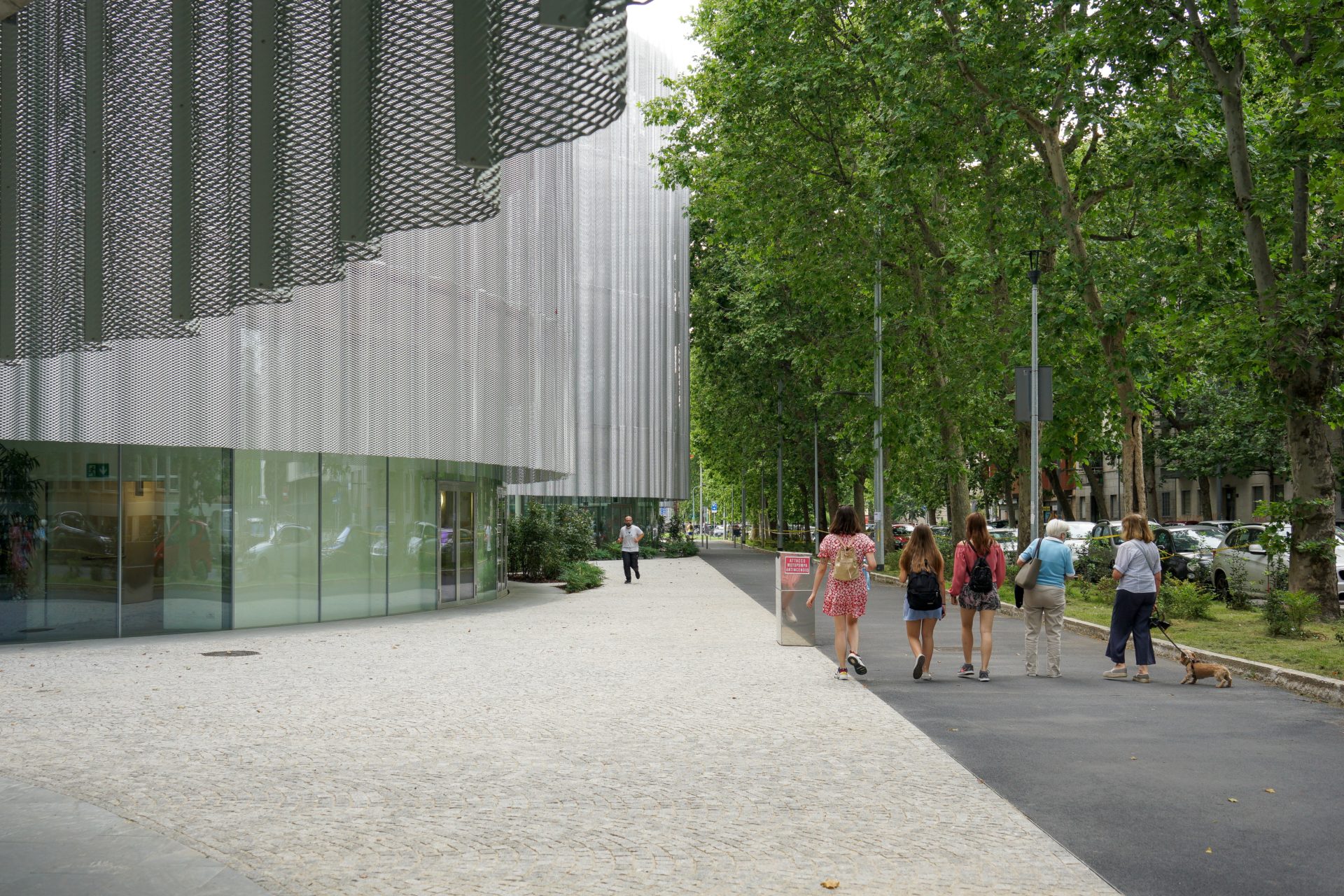
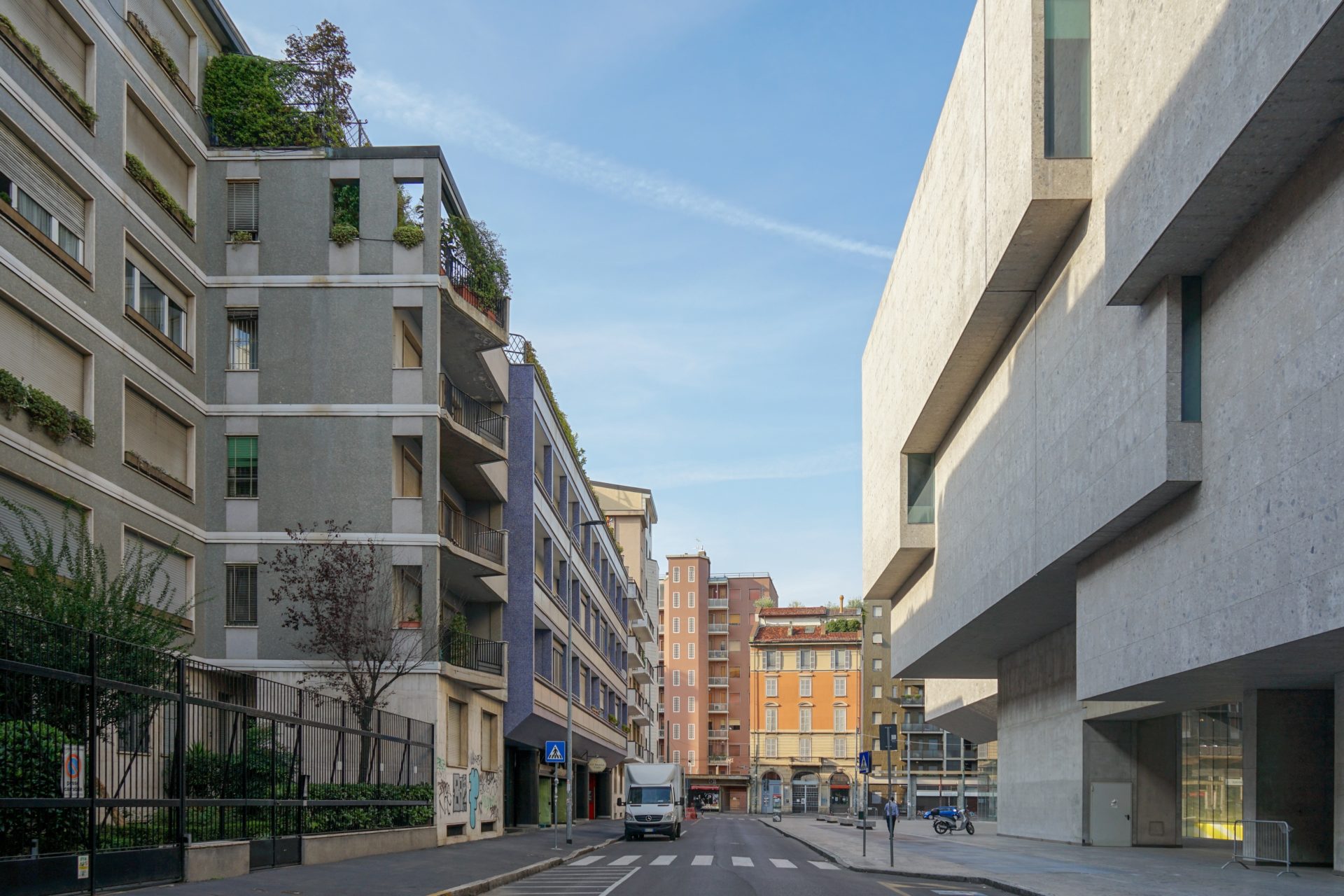
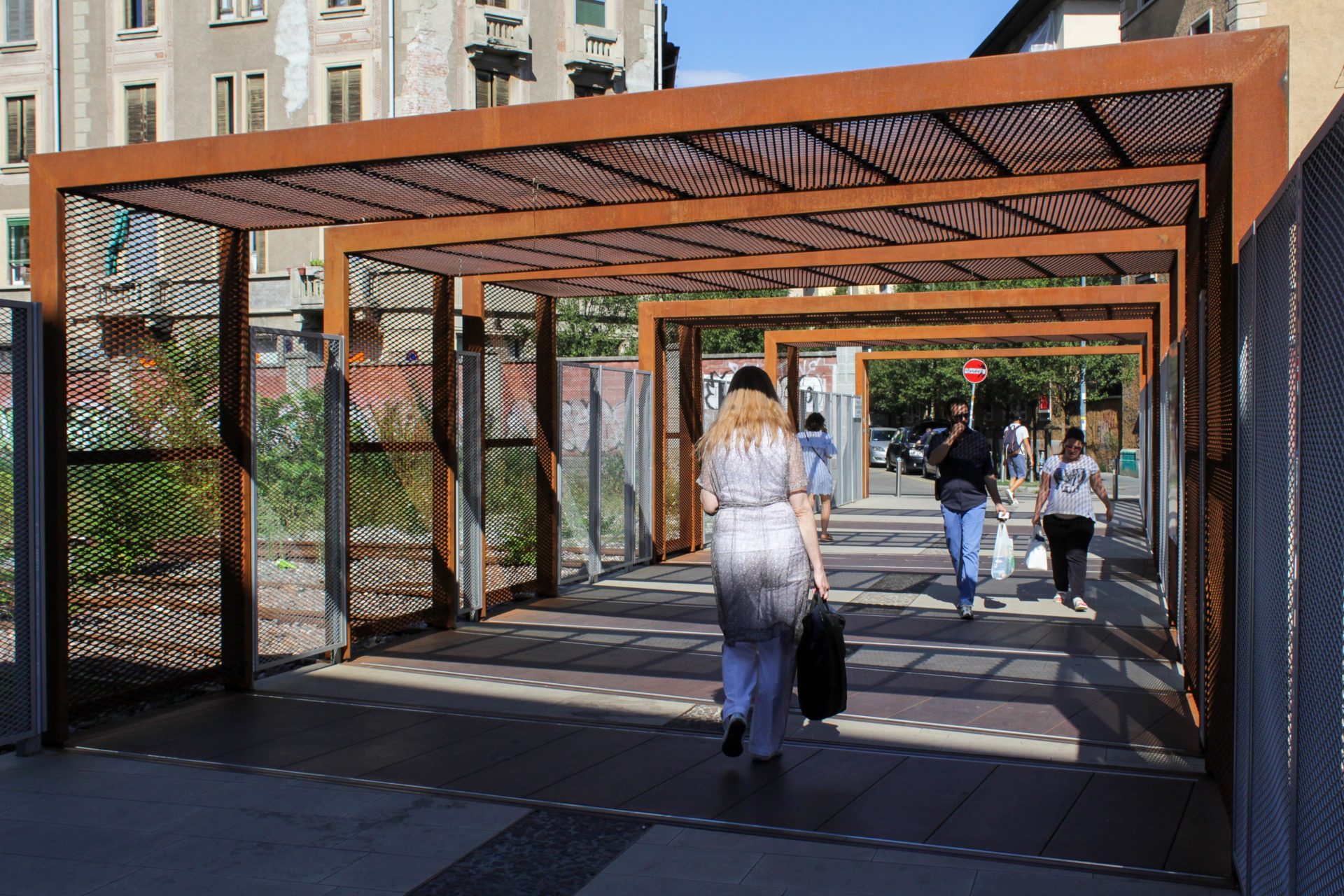
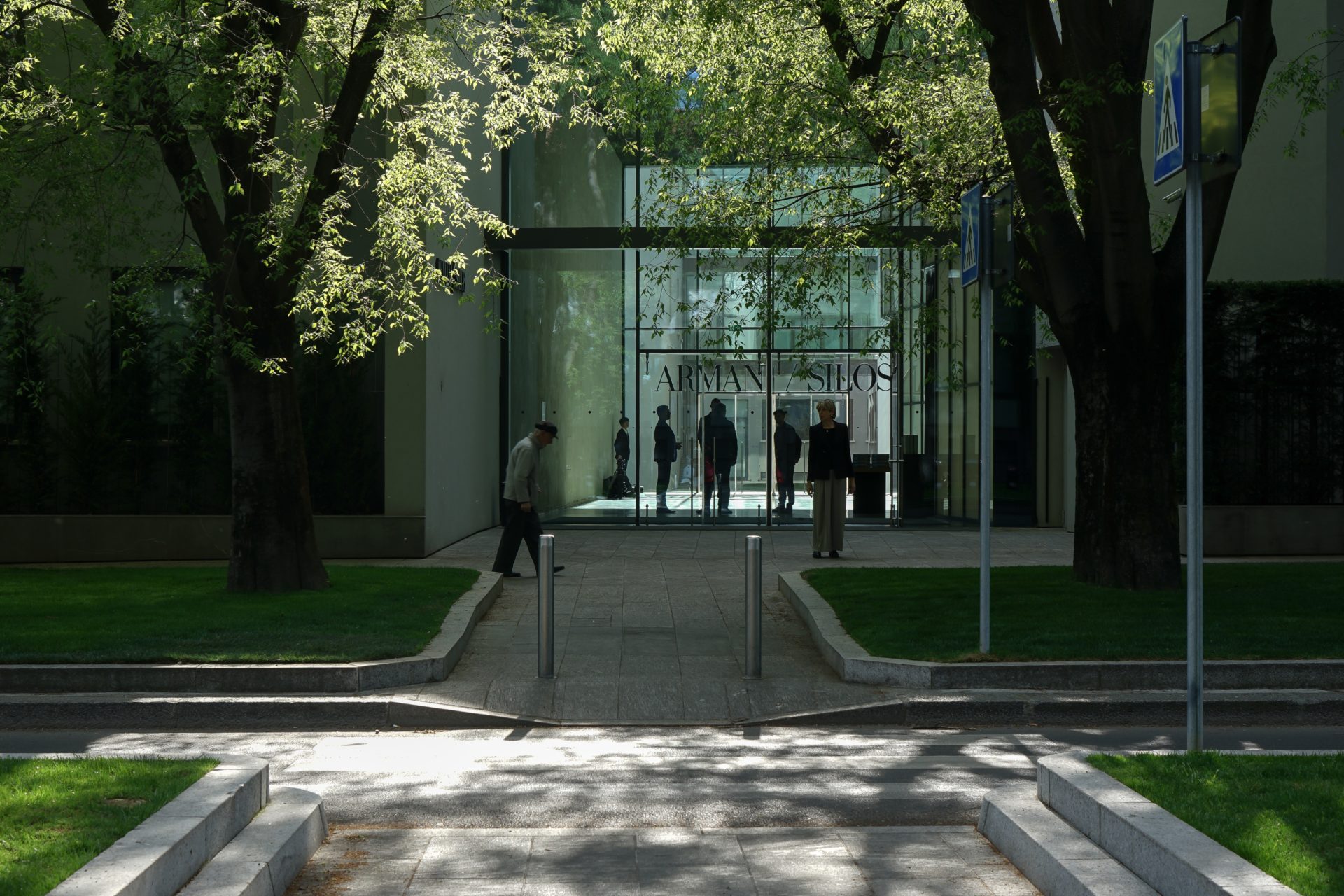
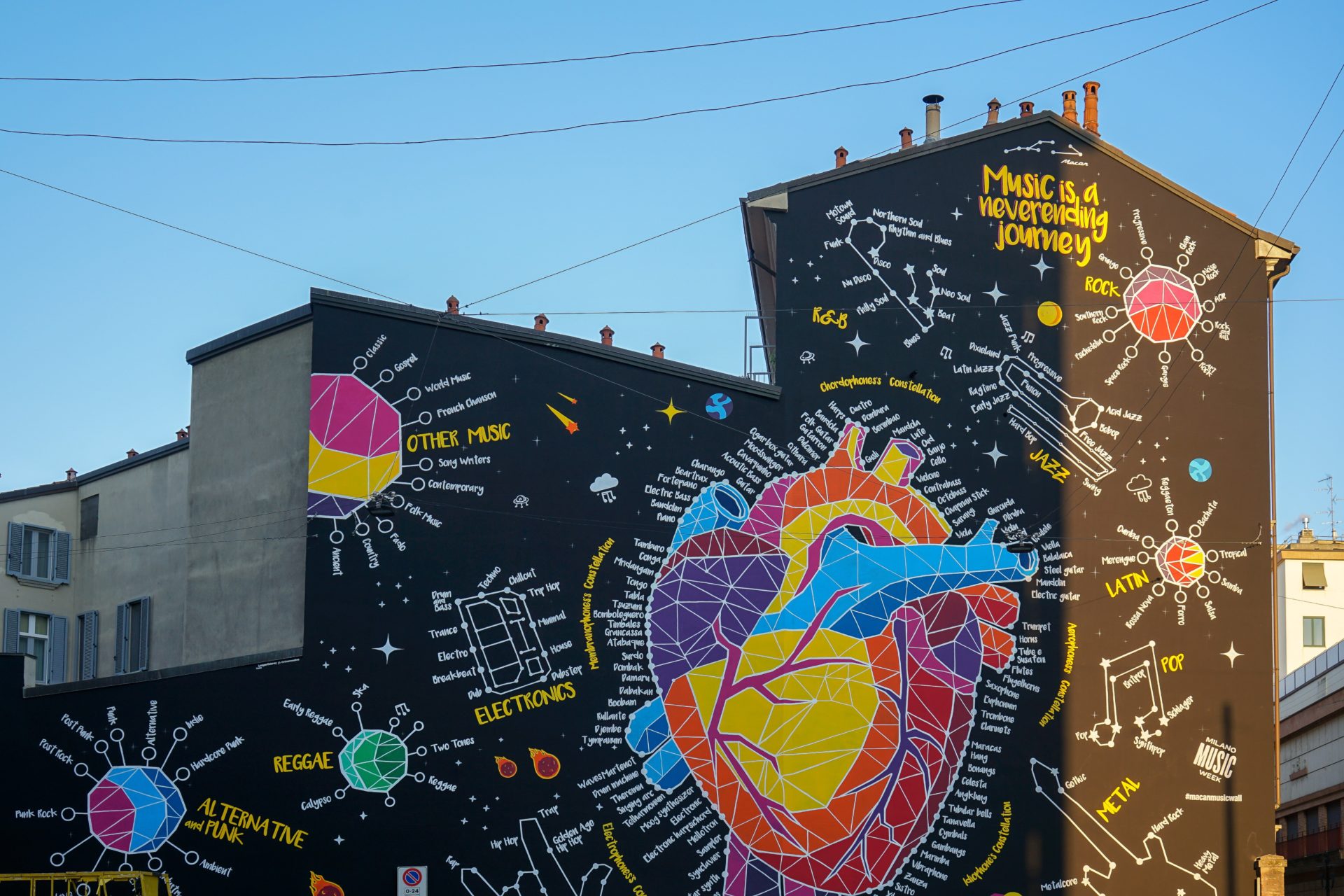
The Tortona area has become an important creative district, heart of the Fuorisalone exhibition. The expansion of the Bocconi campus, with its residences for students, has renewed the district, also thanks to the numerous trendy pubs.
Lifestyle
The area is meant for those who love both a rich cultural offer and at the same time the evening entertainment.
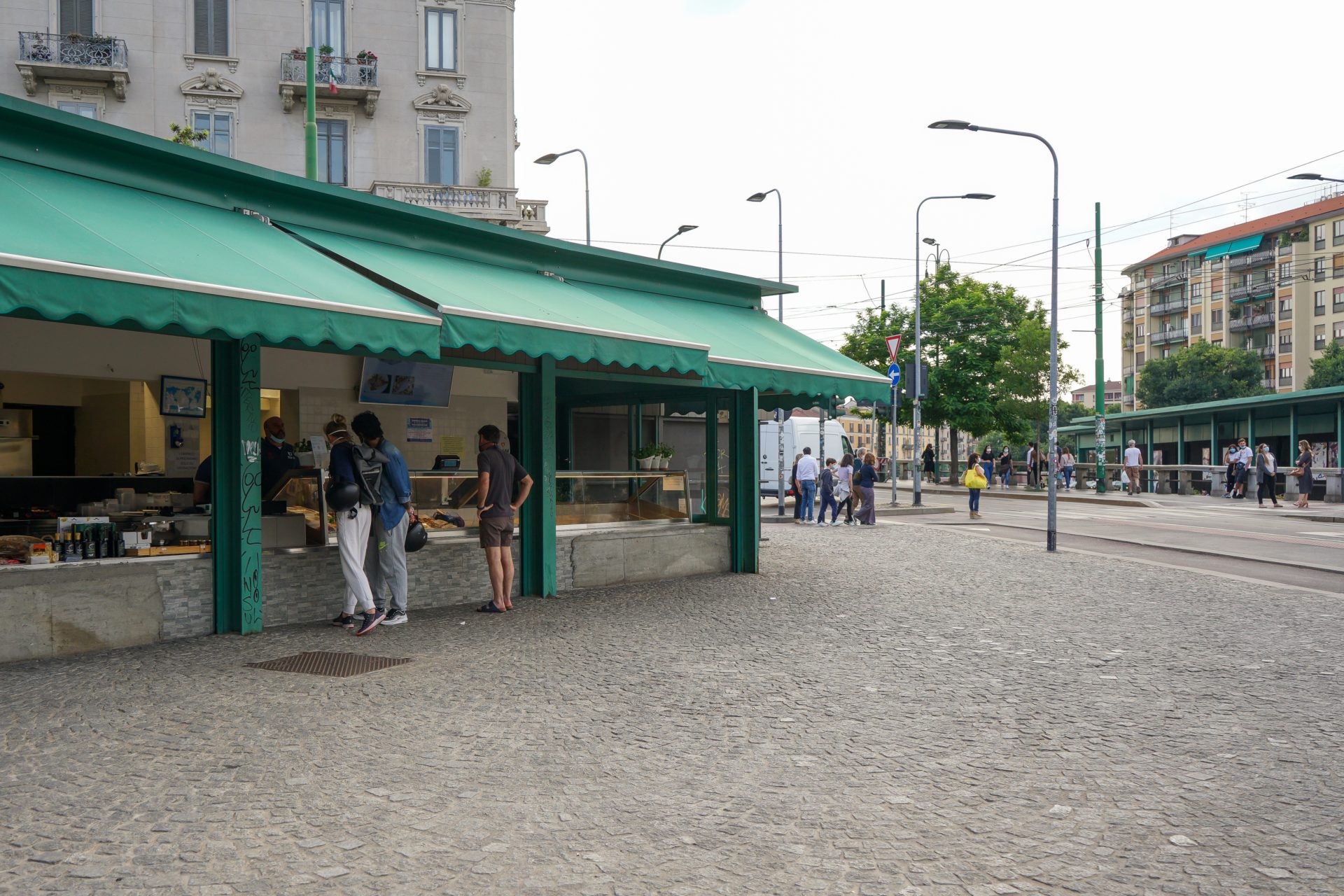
Between the Darsena and the Navigli a varied gourmet offer is available, from the street food to the ethnic cuisine, to the colourful zero kilometre markets. And while the nightlife explodes along the Navigli, in the courtyards of the banister houses you can breathe a strong sense of belonging to micro communities, which let up the city frenzy.
What not to expect
In this area you will not find serenity, silence and relaxation; there aren’t big brands chain stores or franchising, there aren’t either big supermarkets with driveway.
Although it is trendy, the living style is far from the one offered by the big residential apartment buildings with an international inspiration.
Real Estate market
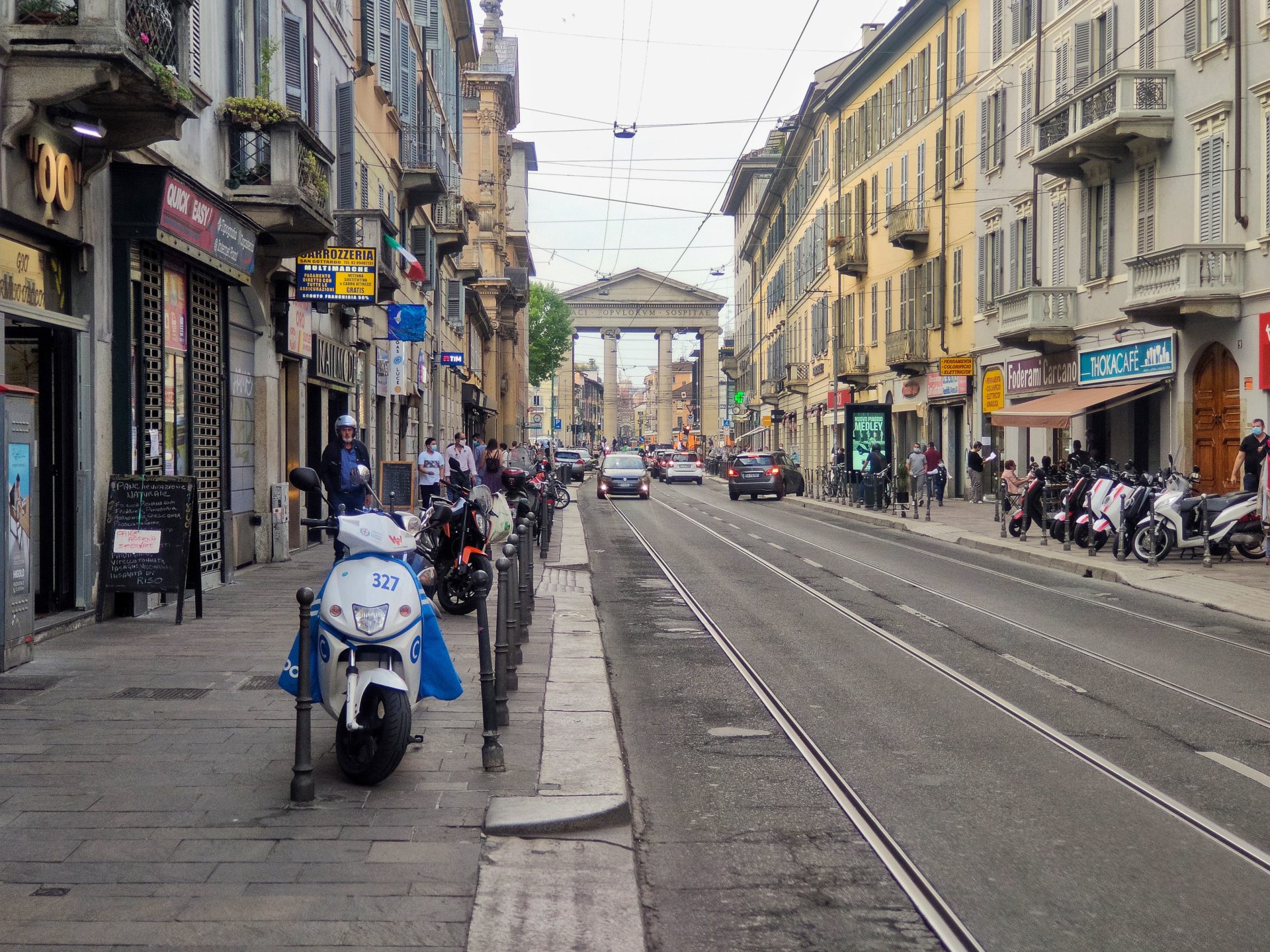
There’s a mainly residential real estate offer, with “banister” buildings in the Tortona-Navigli area.
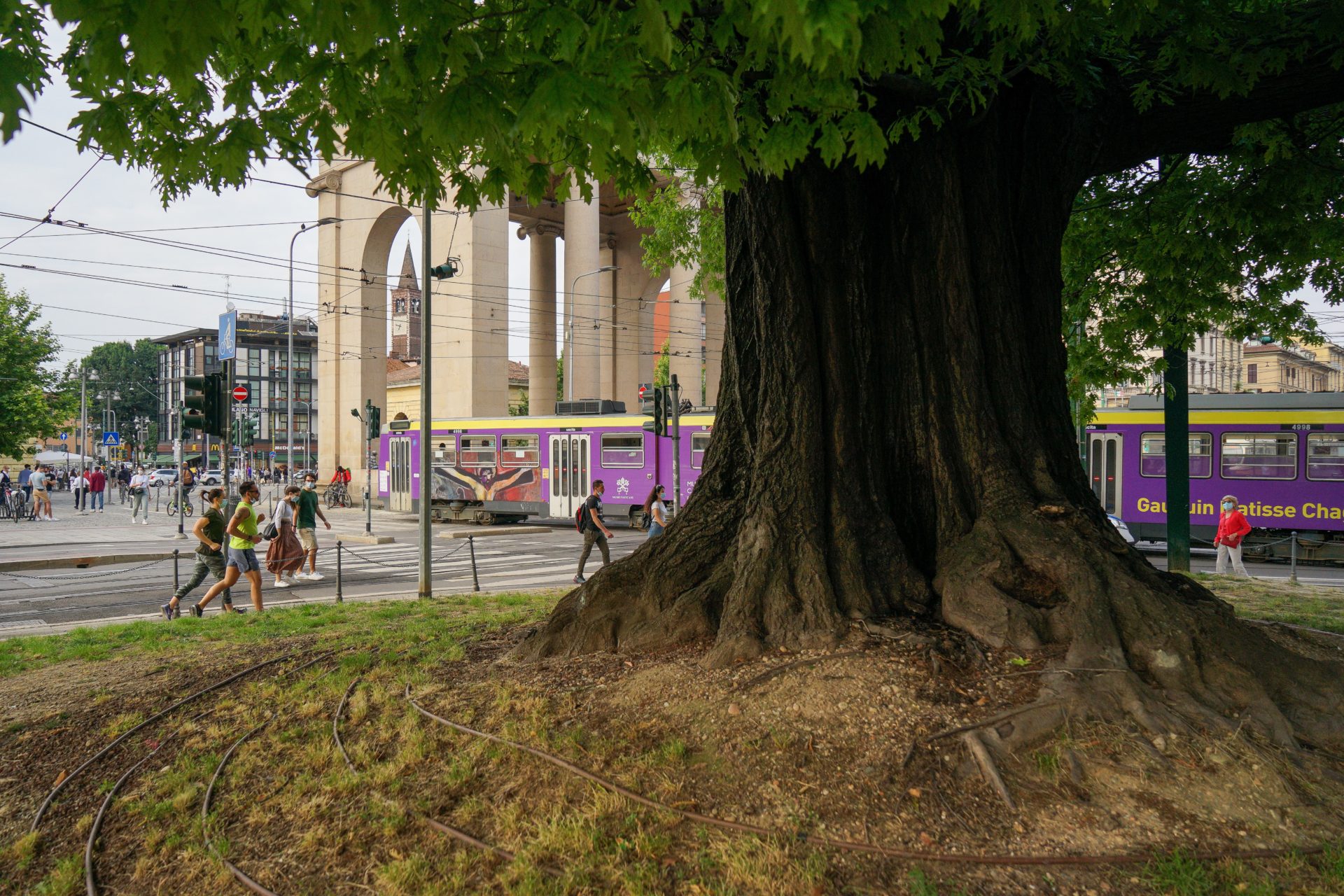
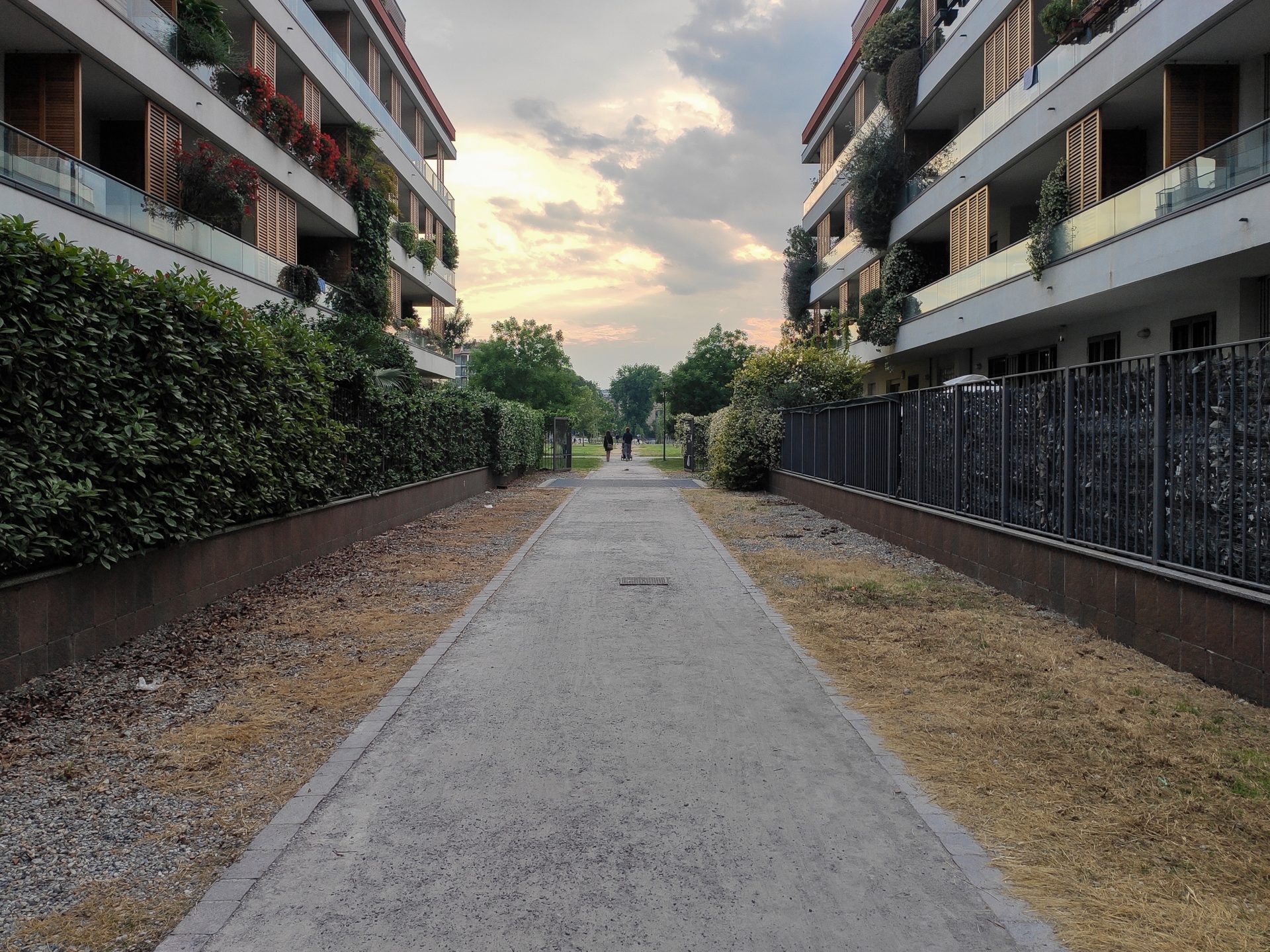
Instead, in the Bocconi-Porta Ludovica area there are high-quality apartment buildings, originated during the post-war period after the Bastioni Spagnoli walls demolition. Here, residences for students originated, which are redeveloping the Ex Centrale del Latte area, where the new campus is situated.
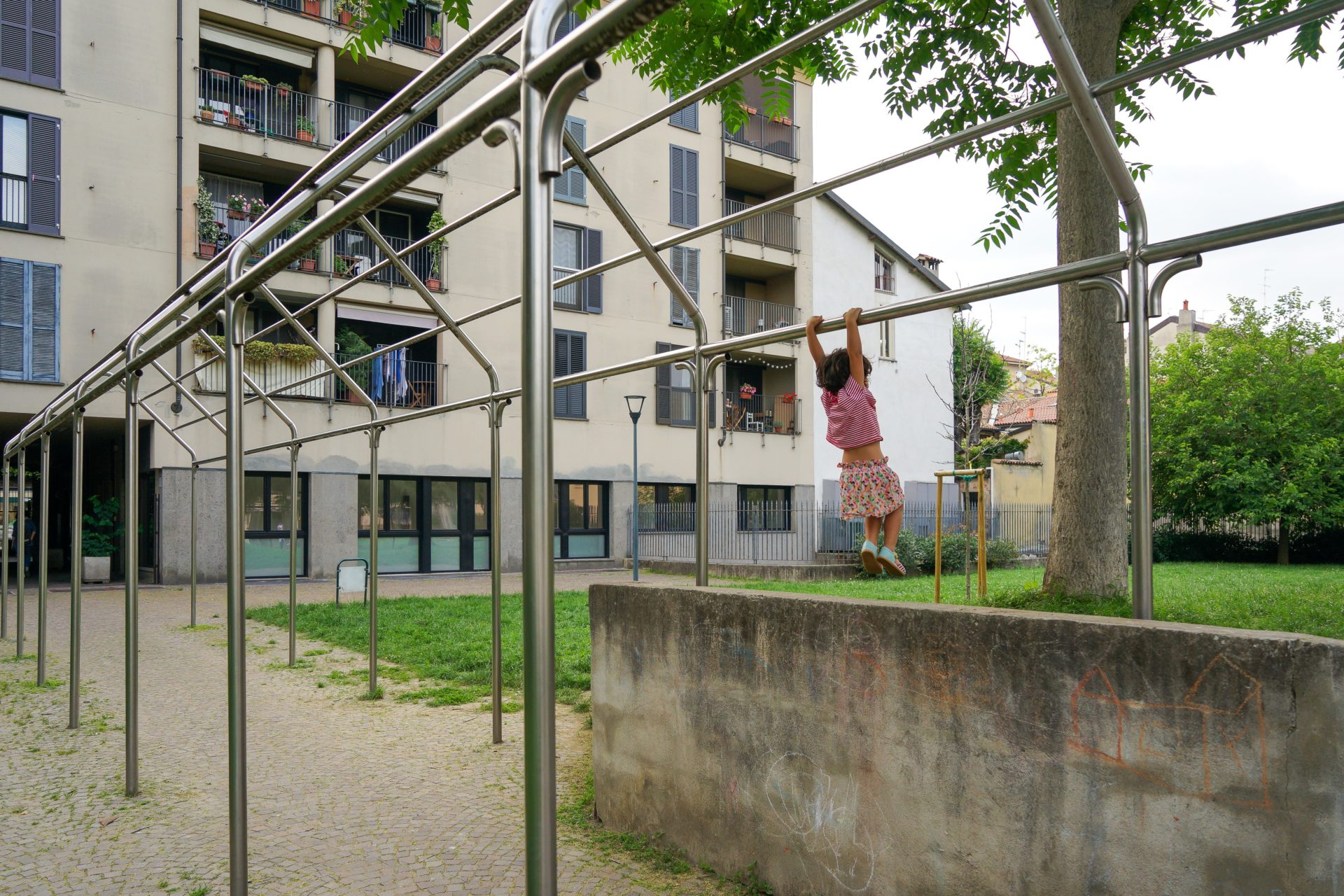
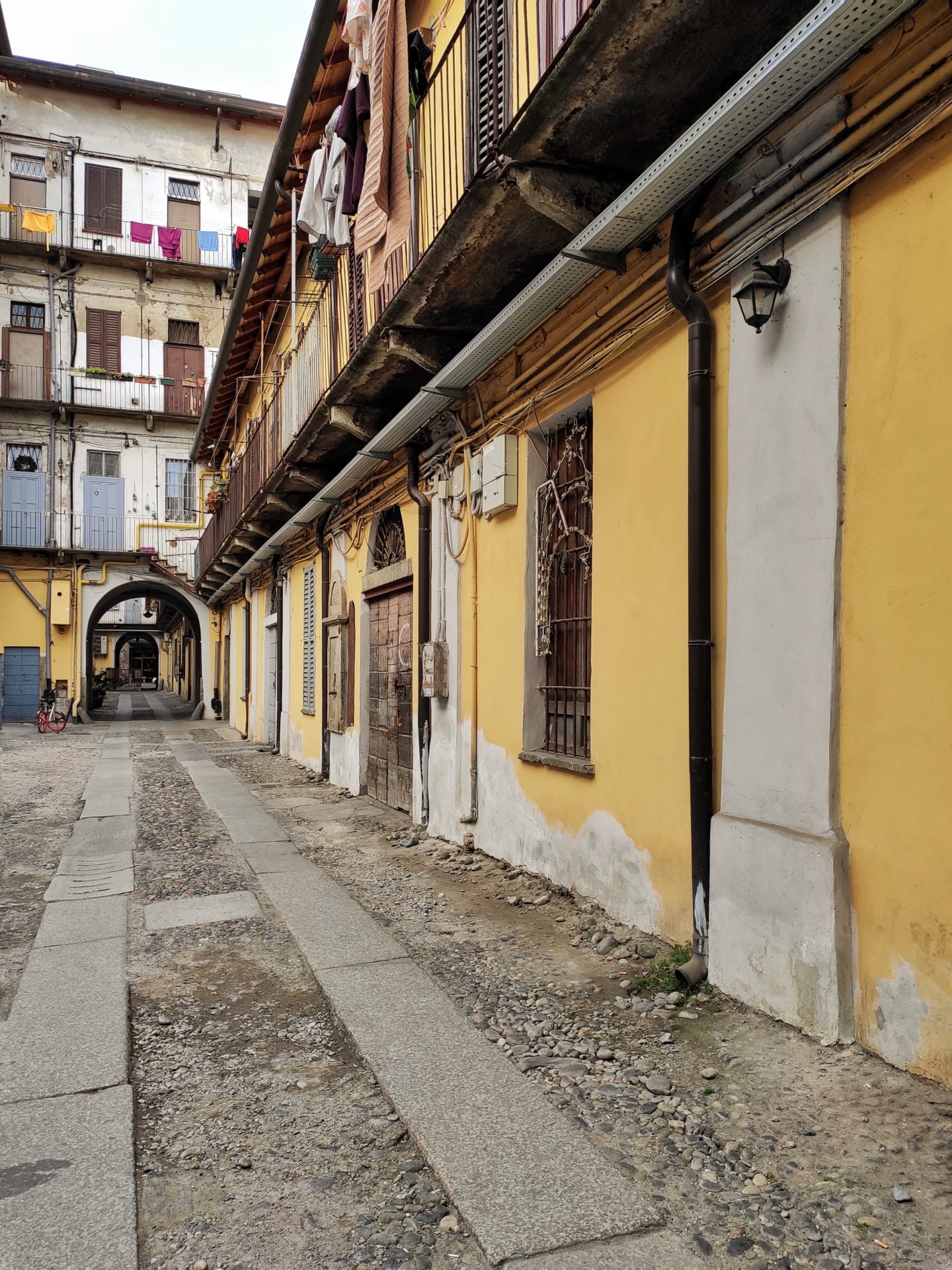
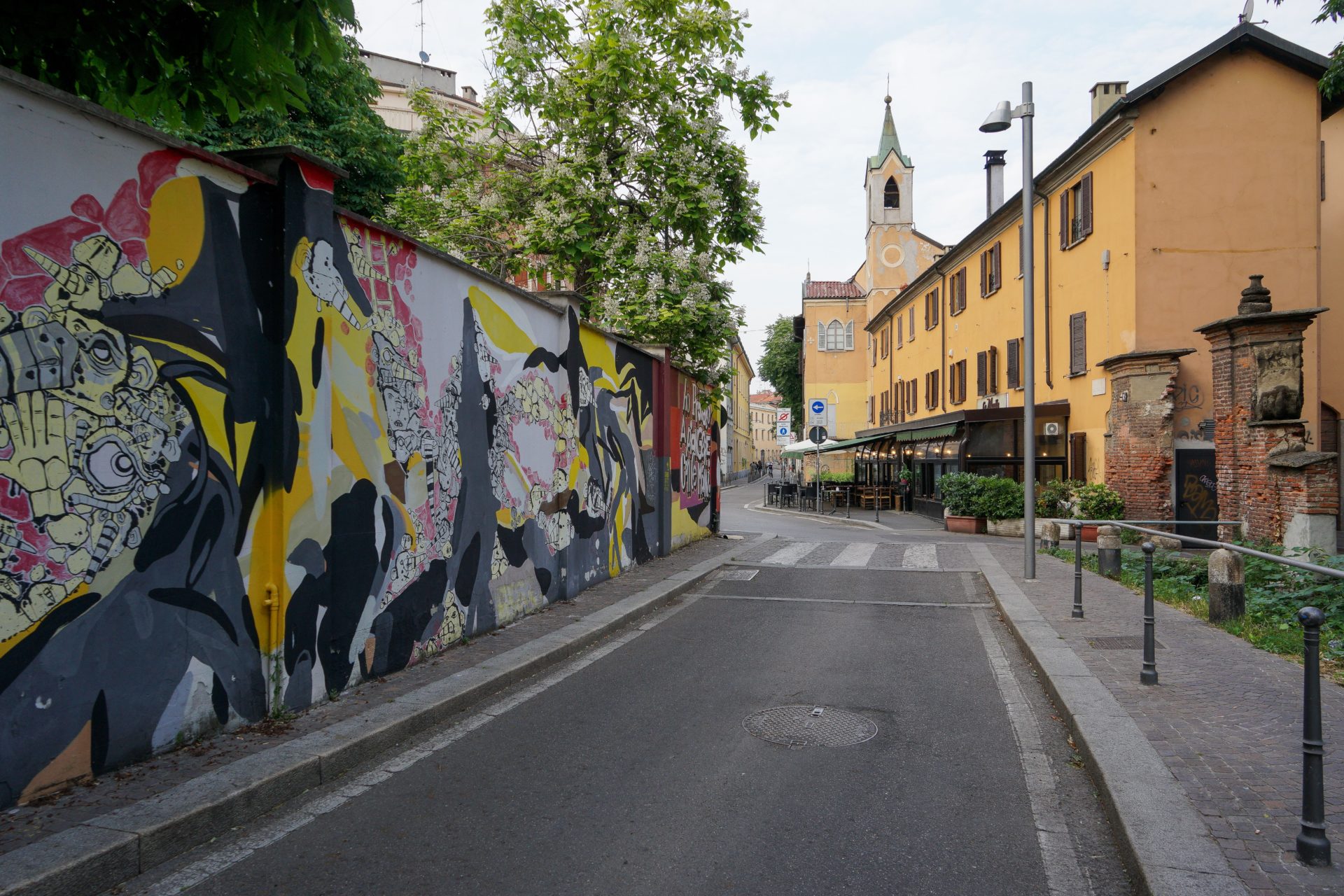
You are going to love…
In this area opposing and fascinating atmospheres coexist: from the traditional courtyards of the Old Milan houses, to the industrial complexes which have been redeveloped as new lofts, passing through the upper-middle-class soul that can be breathed in the Porta Ludovica and Bocconi area.
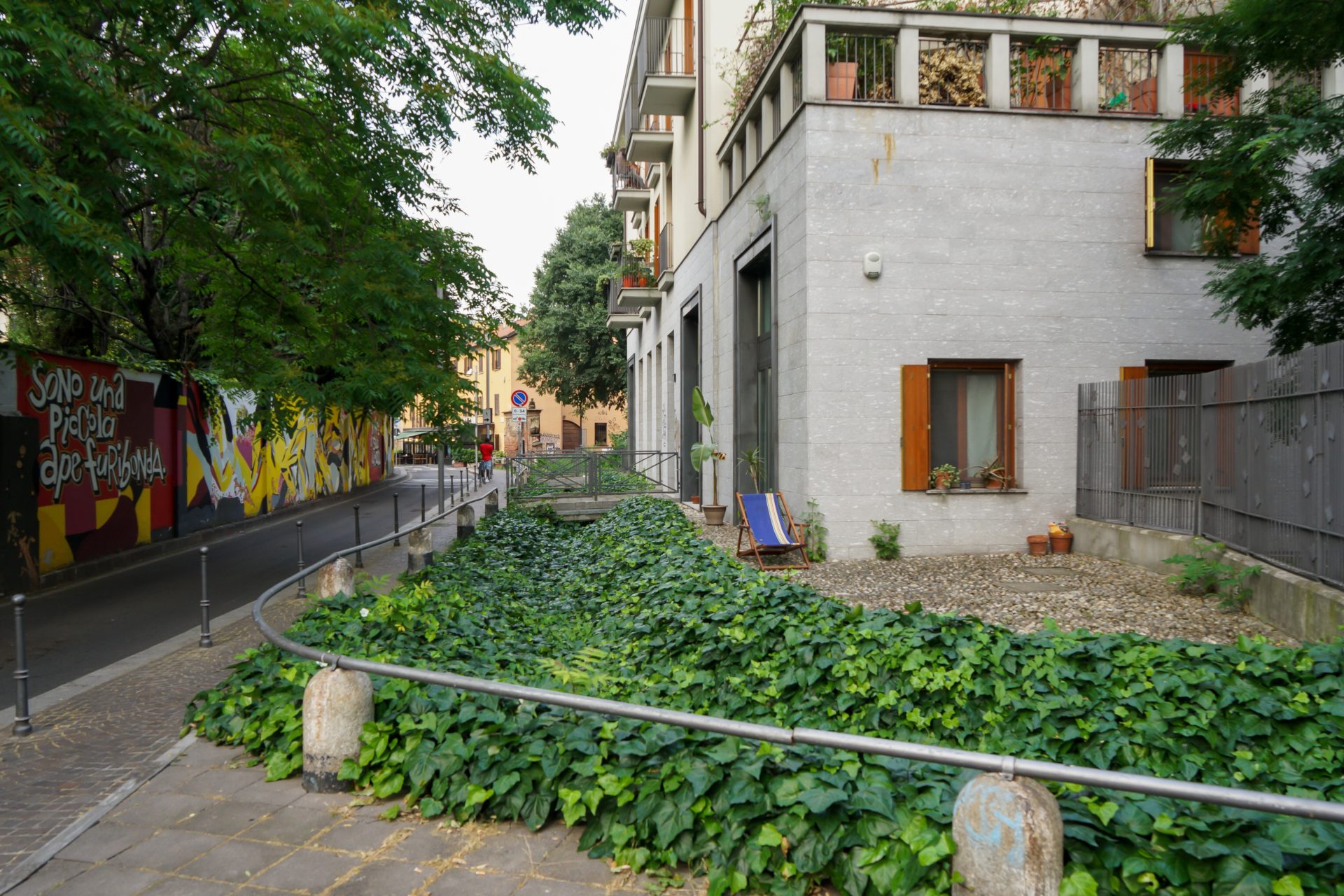
Behind the corner
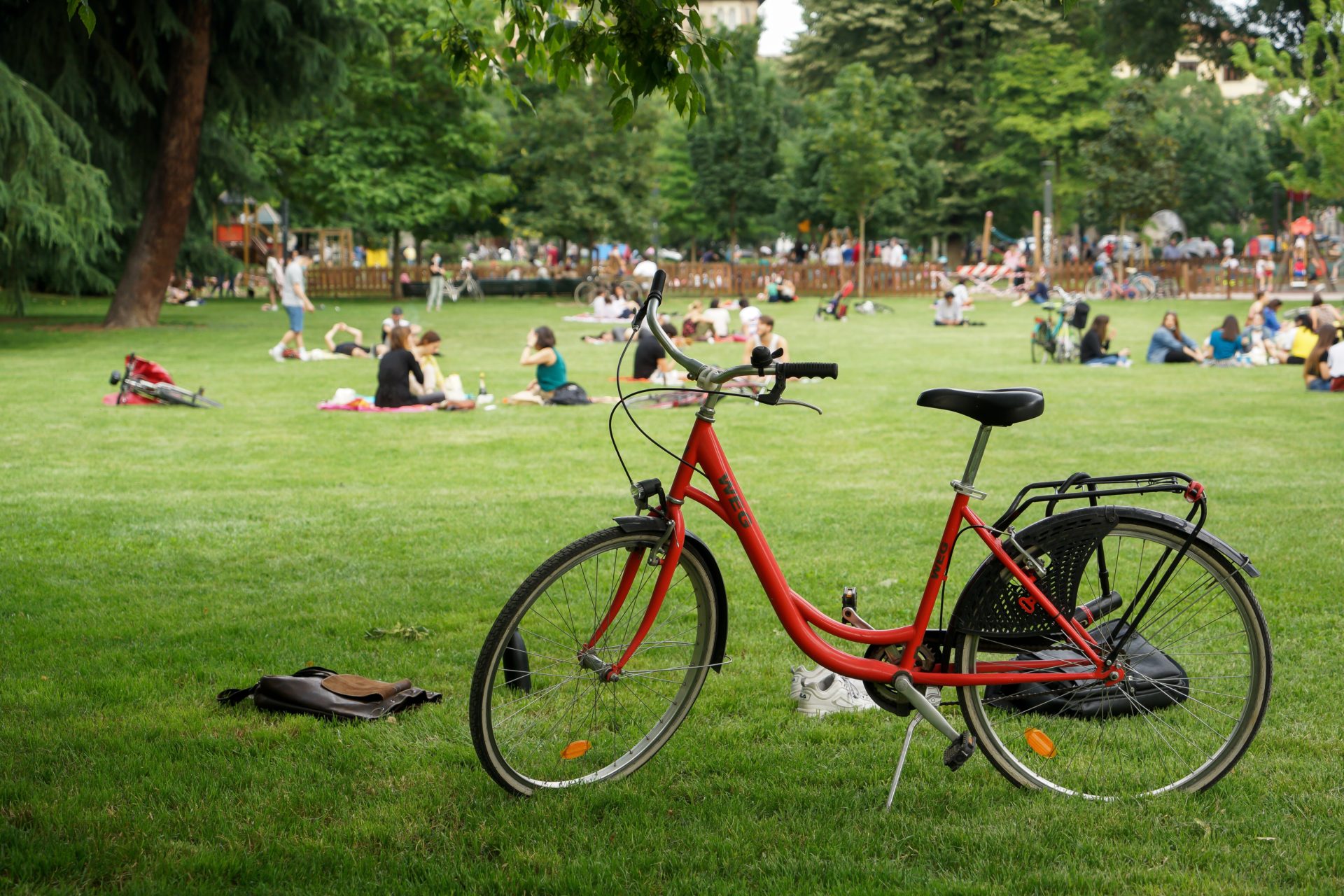
The whole area is situated close to many interesting places, like Corso di Porta Ticinese and the city centre, the Parco delle Basiliche and the Colonne di San Lorenzo, which are the destination of many young people who want to spend the night outdoor in a suggestive scenery.
Historical places, like the Museo Diocesano and the Basilica di San Eustorgio, are easy to reach by foot.
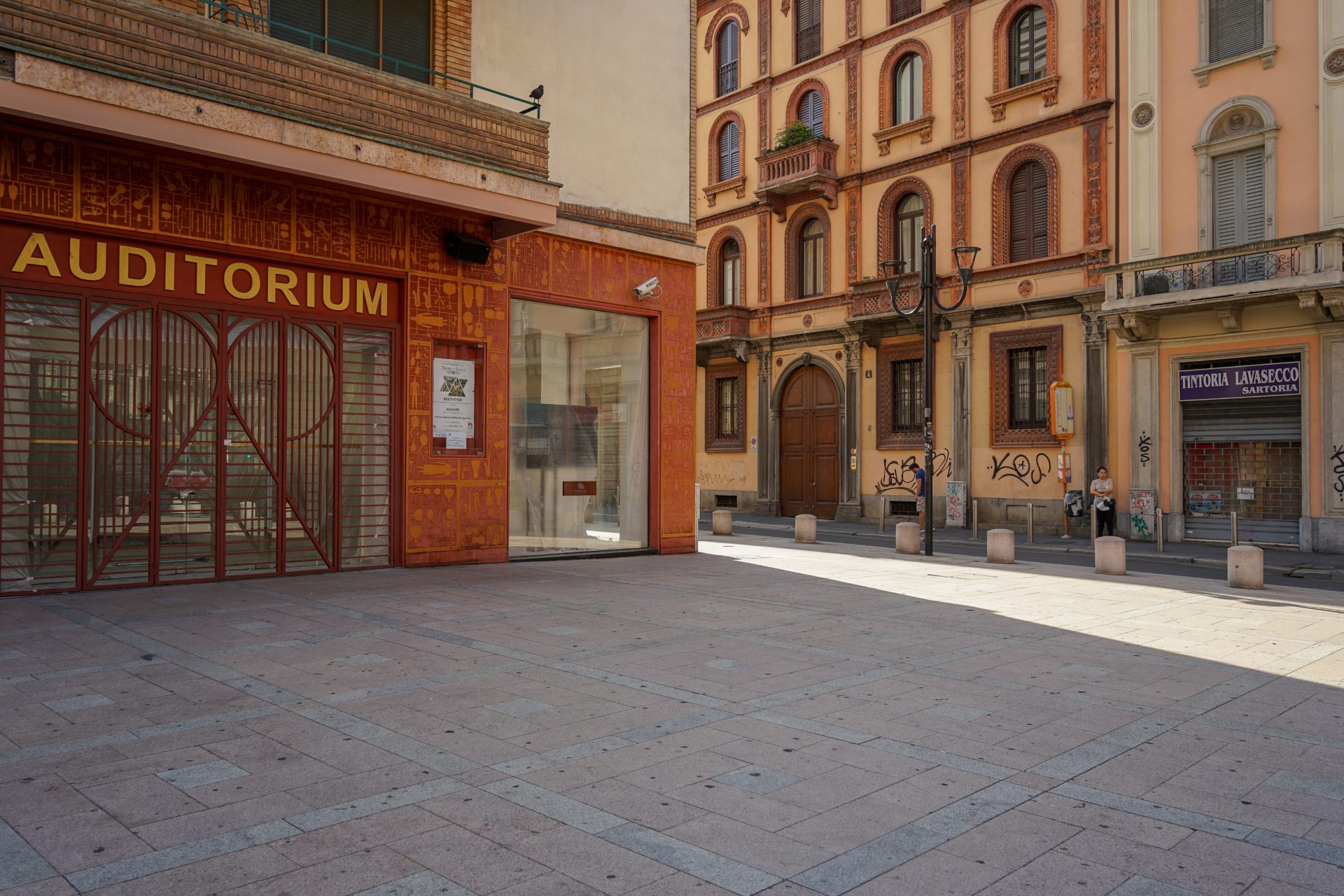
Close to the Tortona area there are many cultural settlements, like the MUDEC Museum and the Ansaldo building, where the BASE cultural center and the labs of Teatro La Scala are situated.
To the south there’s another very important university campus, IULM; instead, close to the Porta Ludovica area there are the Porta Romana Spa, another trendy place frequented by both tourists and no-tourists, who want to relax in the heart of Milan, surrounded by places with strong historical reminiscences.