





Solari, Washington
Milan
An area where beautiful residences of the XX century are next to banister houses and ex factories transformed into ateliers dedicated to creativity: here you can breathe both the international atmosphere and the one of the Milan of the past.
Key Details
What to expect
Lifestyle
What not to expect
Real estate market
You are going to fall in love with
Keywords
Commute times
Duomo: 20 min. by car, 20 min. by public transportation
Castello Sforzesco: 10 min. by car, 20 min. by public transportation
Cadorna Station: 11 min. by car, 16 min. by public transportation
Centrale Station: 20 min. by car, 30 min. by public transportation
Milano Malpensa: 45 min. by car, 1h 30min. by public transportation
Milano Linate: 30 min. by car, 1h by public transportation
Transportations
Closest underground lines
Line 1 (Stops Wagner, De Angeli, Conciliazione)
Line 2 (St. Agostino Stop)
Line 4 (Stops Parco Solari, Foppa, Washington-Bolivar)
Surface Transport
Well connected to both trams and buses
Railroad Service
Porta Genova railway station
Highways and freeways
30 min from the A1, 10 min from the A4, 10 min from the A7, 15 min from the A8, 30 min from the East freeway, 20 min from West freeway, 30 min from North freeway
Boundaries
East: Baracca Square, Porta Vercellina avenue, Papiniano avenue
West: Bezzi avenue, Misurata avenue
North: Trivulzio street, De Angeli Square, Marghera street, Ravizza street, Sanzio street, Giotto street, Burchiello street, Guido D’Arezzo street, Alberto da Giussano street, Conciliazione Square
South: Tortona street, Pacioli street
Neighborhood areas
Napoli, Soderini
Fiera, Sempione, CityLife, Portello
Arco della Pace, Arena, Pagano
De Amicis, Ticinese
Navigli
Bande Nere, Inganni
A walk through the district
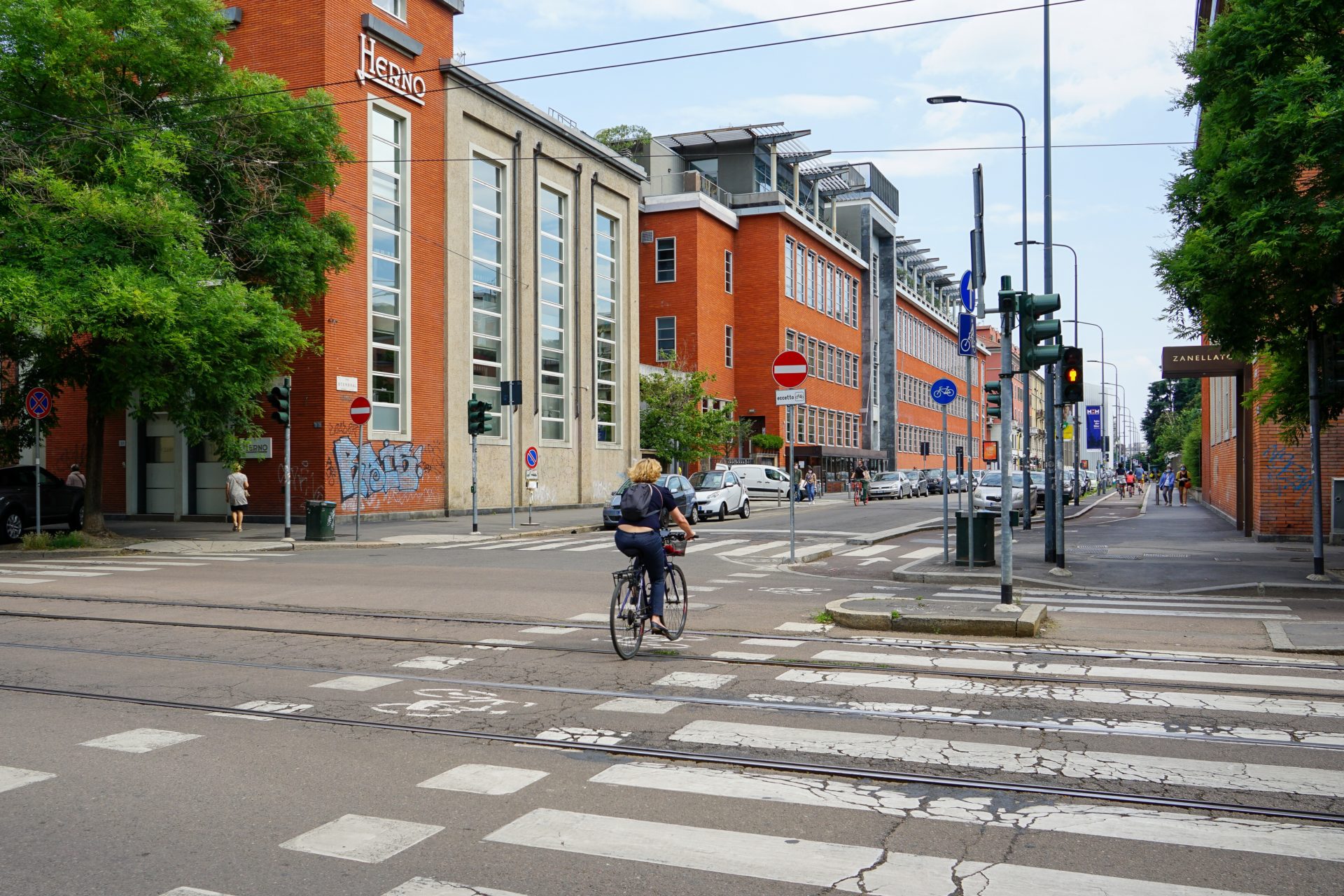
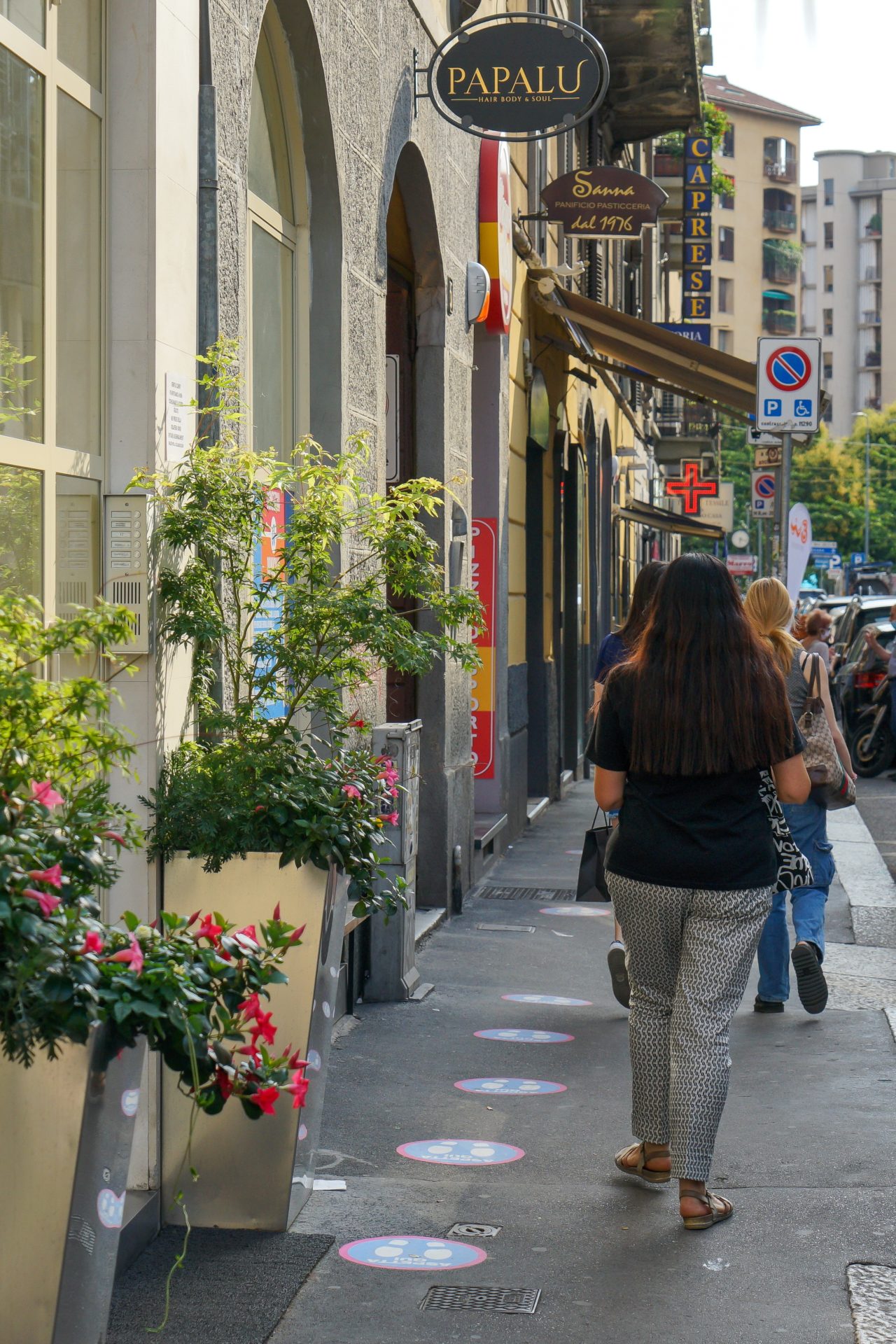
A district close to the city centre that originated in part as a residential area with a middle-class soul and in part as a centre full of factories, then transformed into eclectic and creative places.
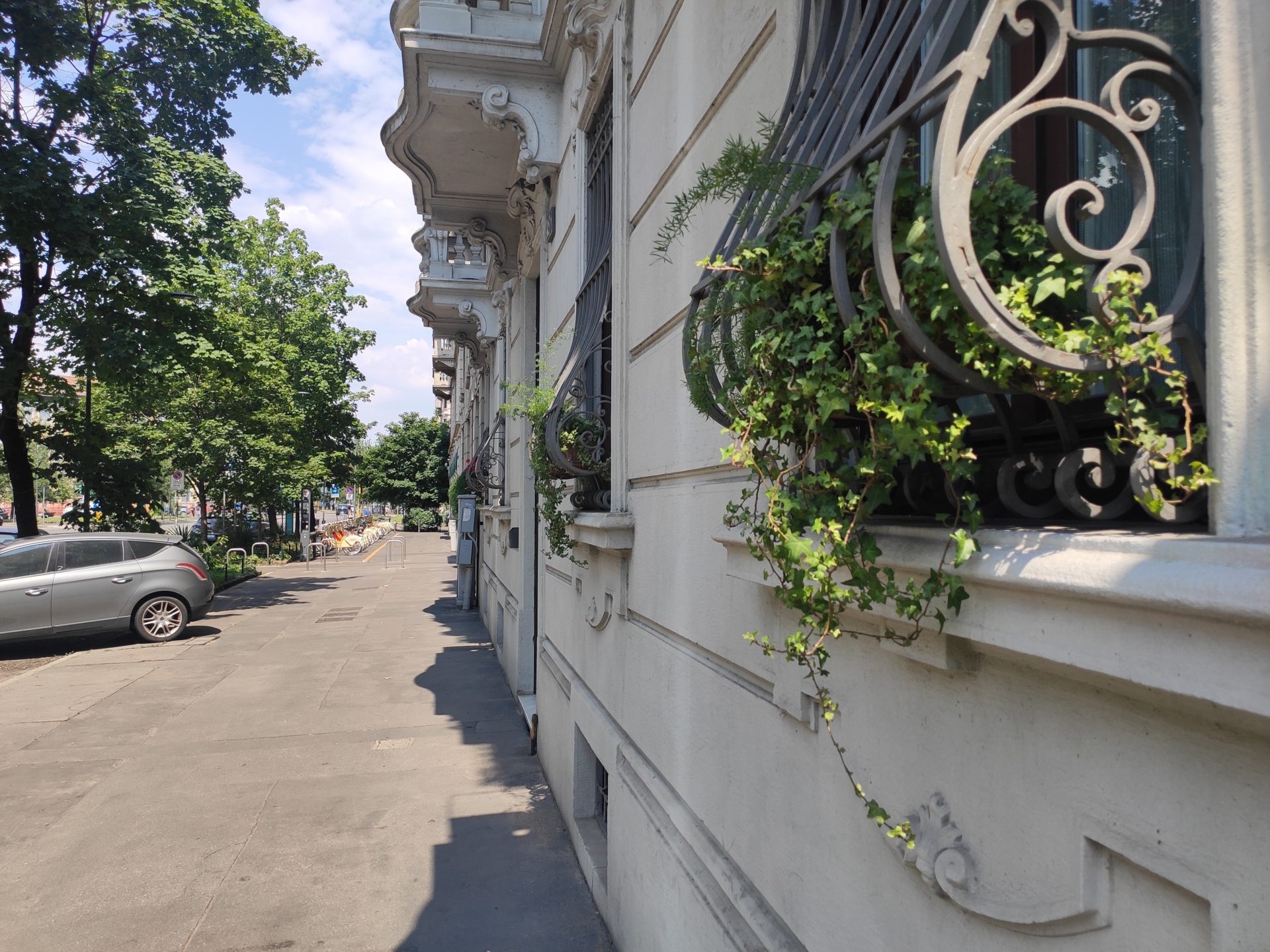
The numerous banister houses with a working-class origin are the historical memory of the Milan of the past.
What to expect
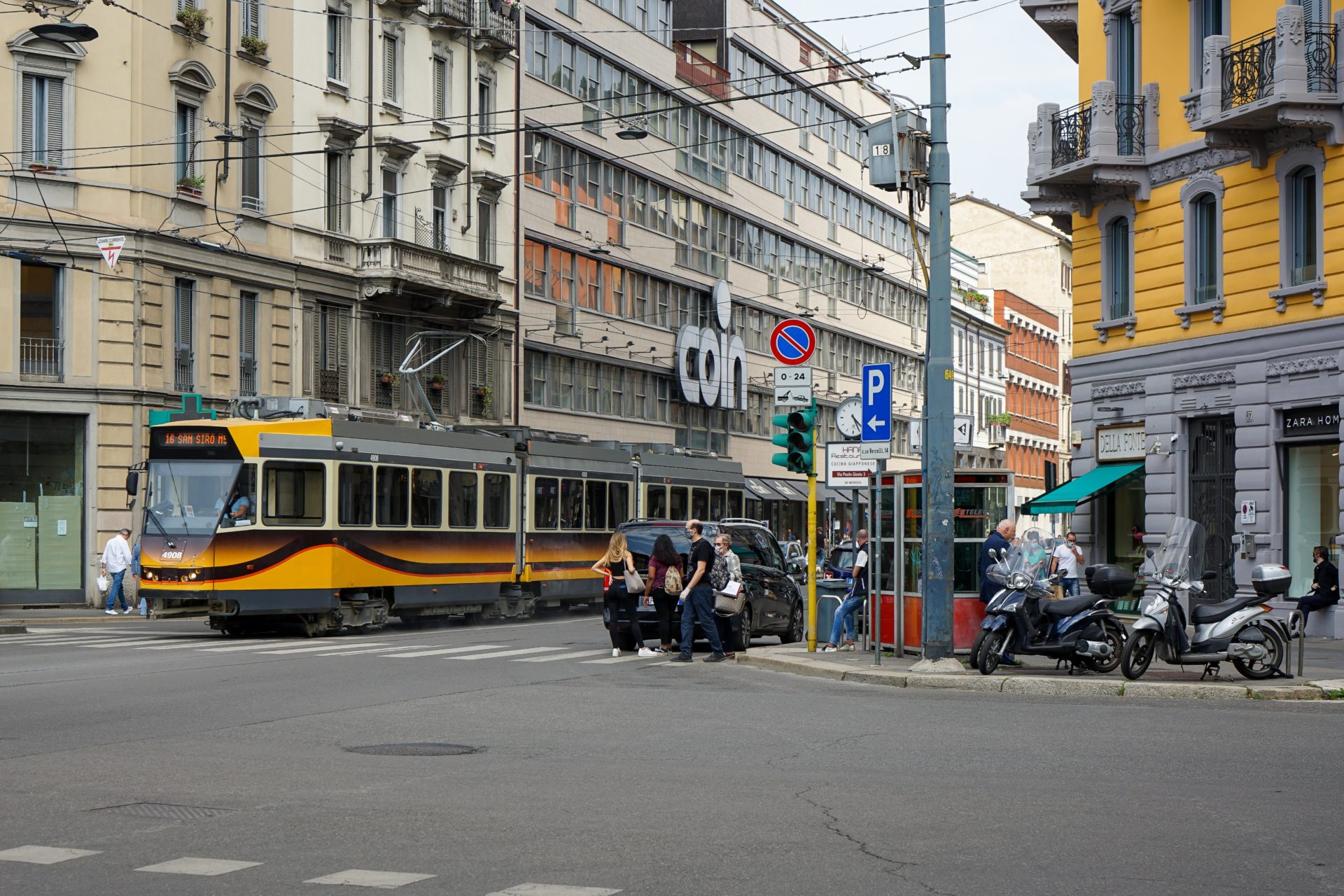
This semi-central area benefits from the closeness to the Porta Genova railway station and underground which make it almost unnecessary using the car.
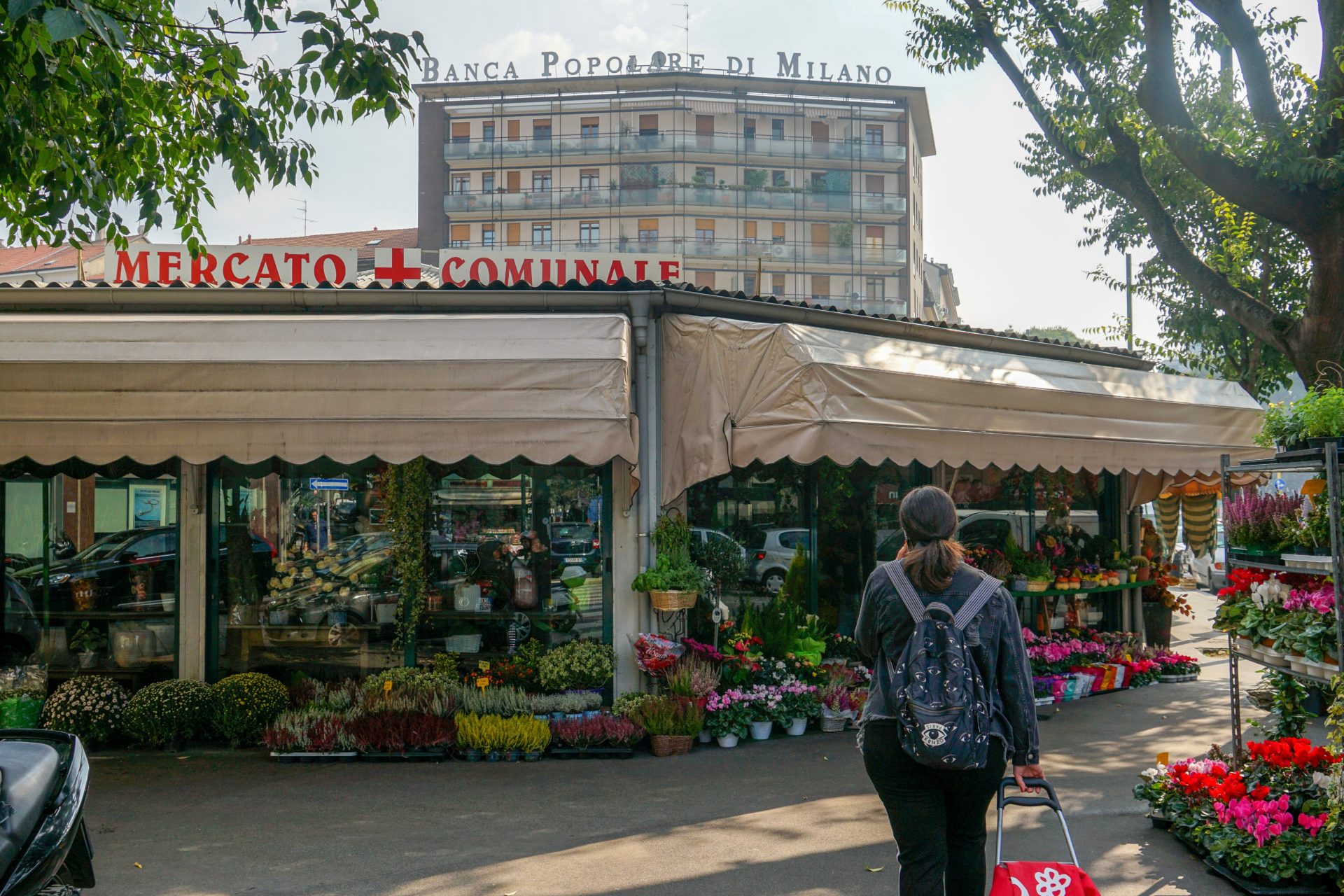
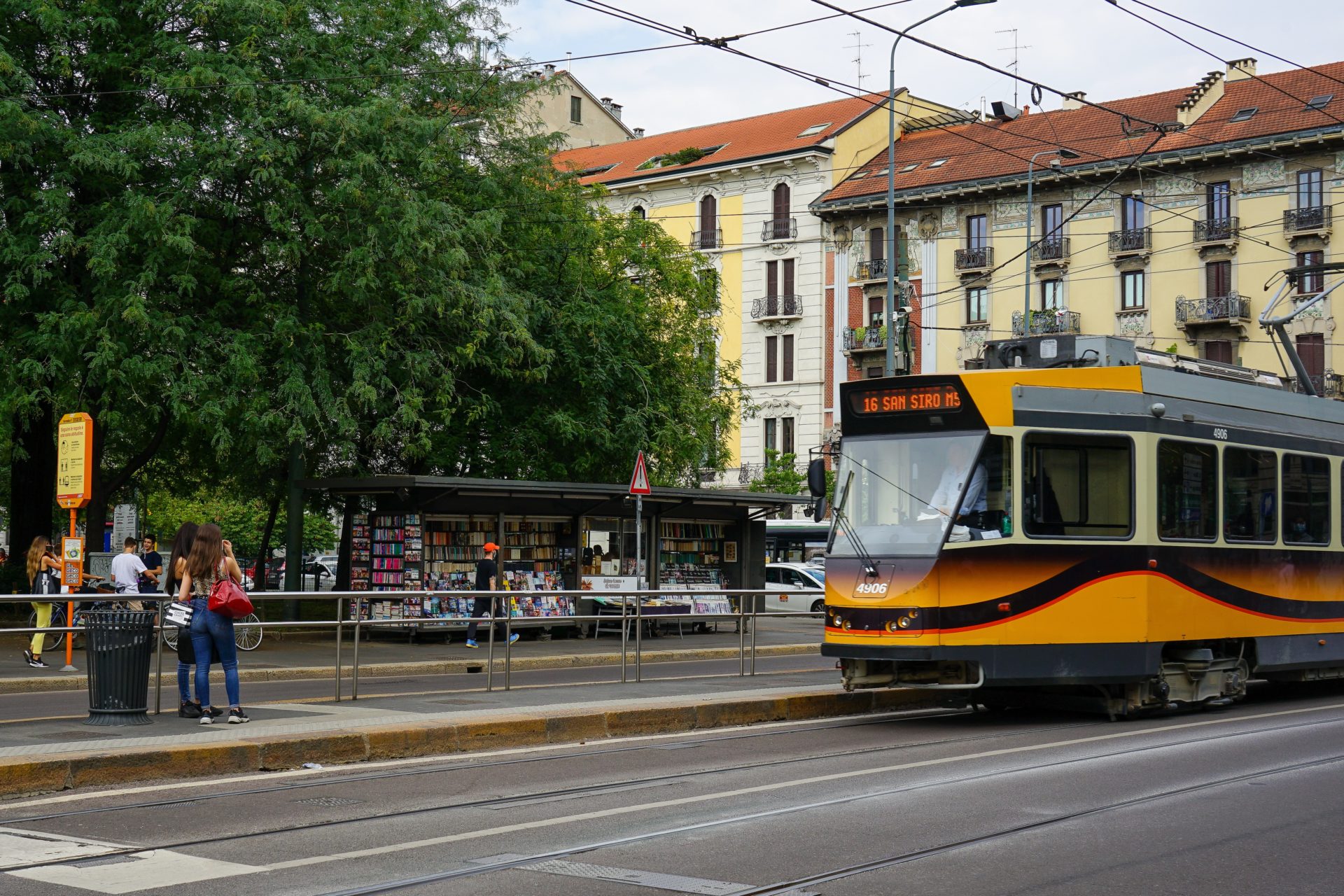
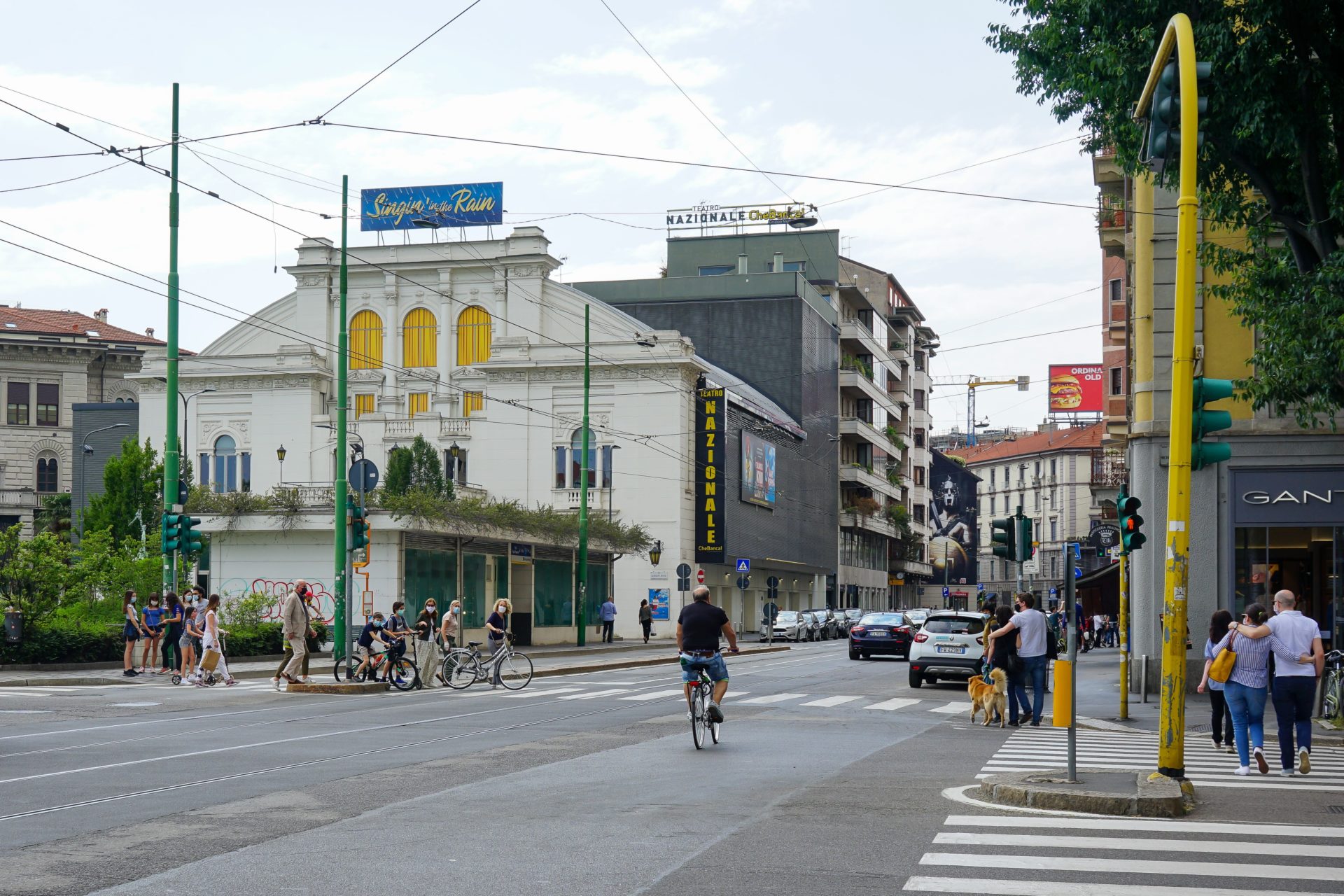
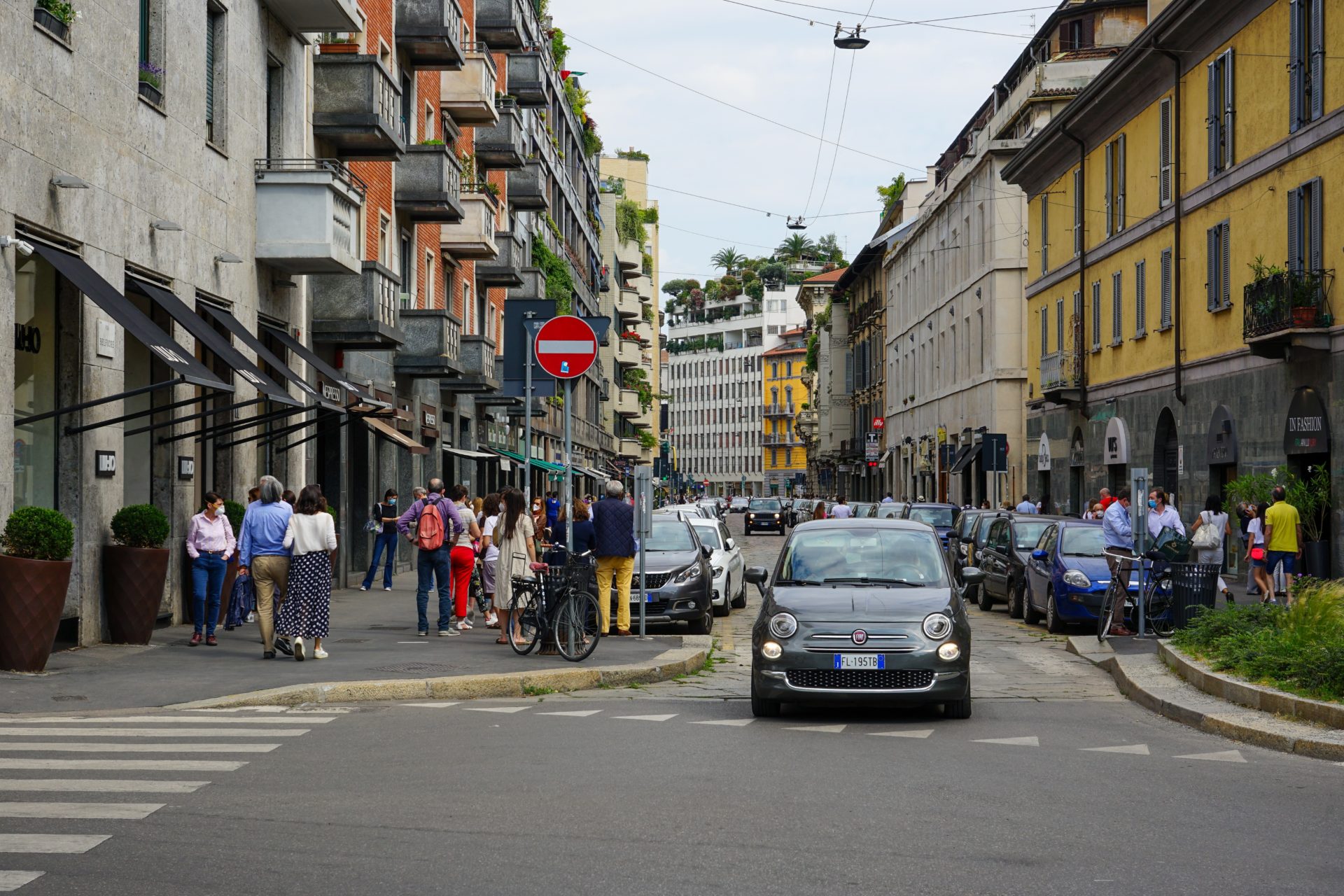
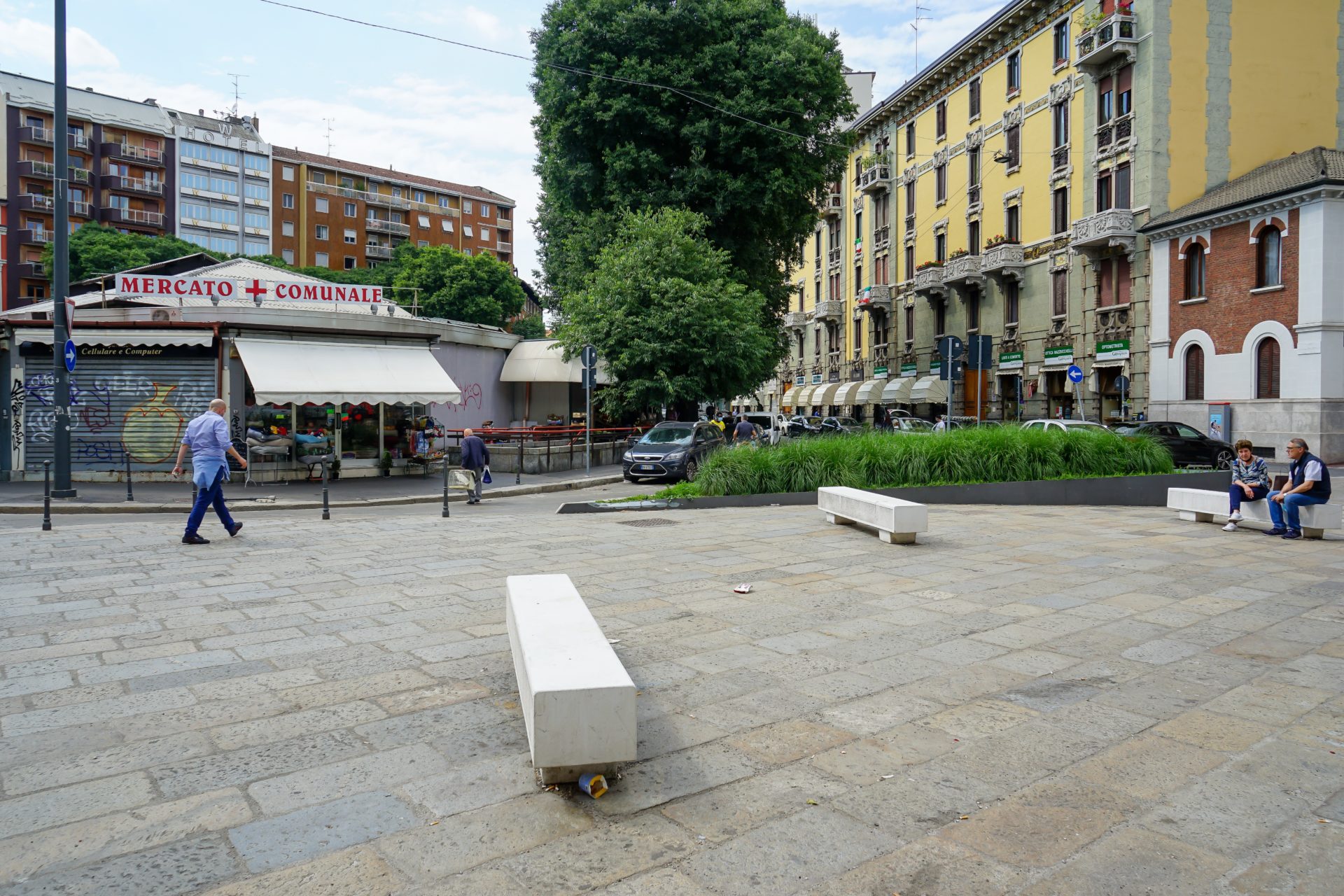
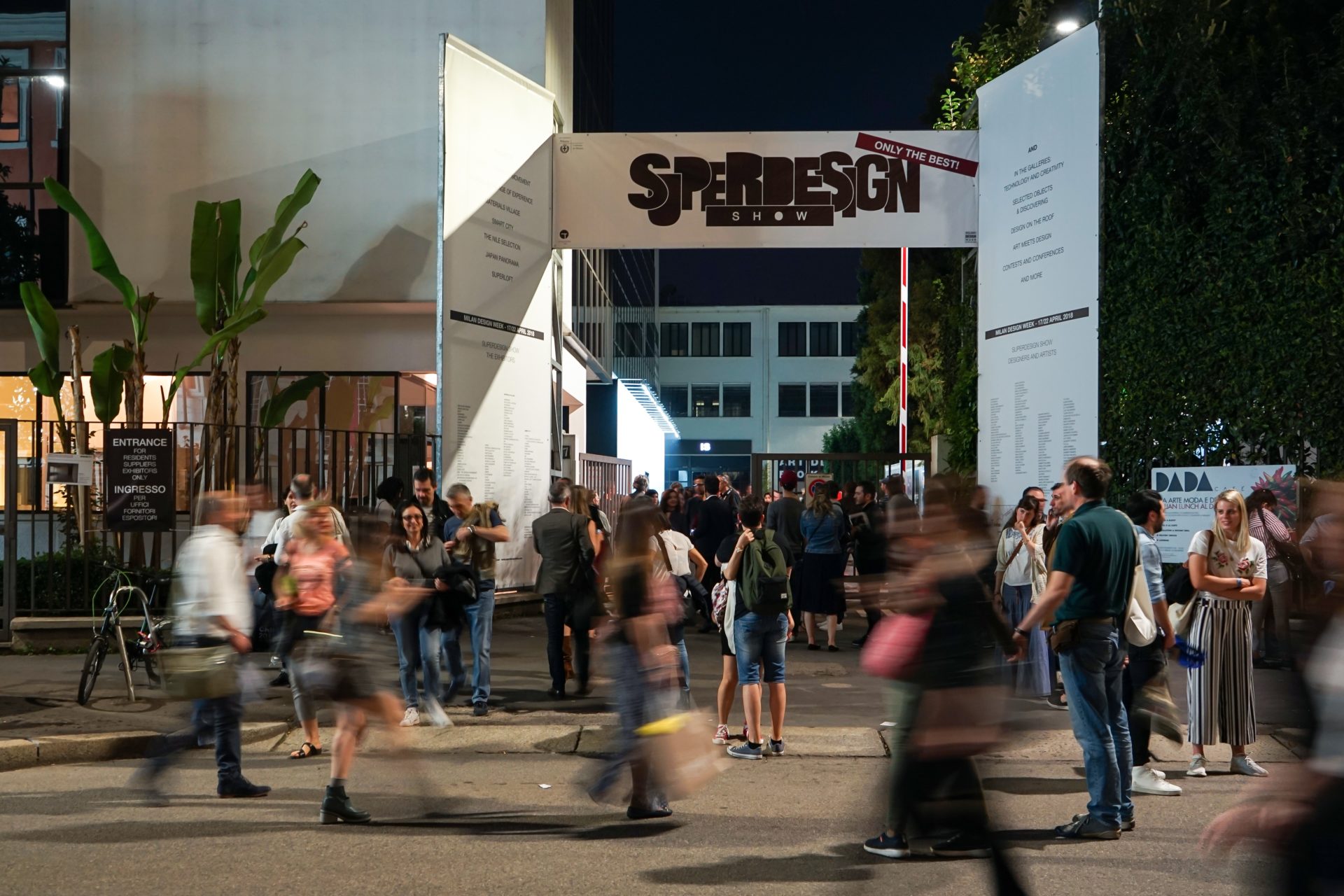
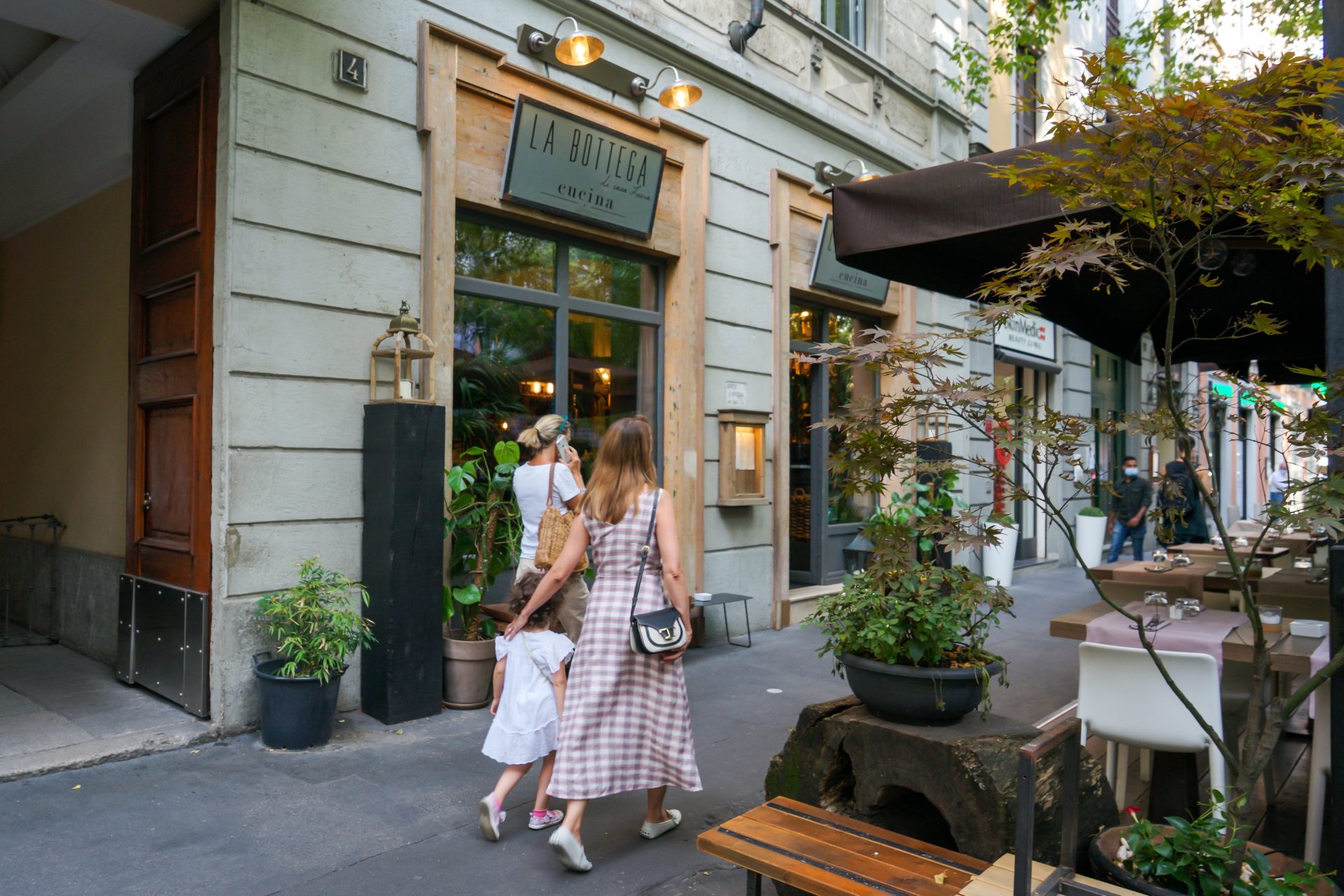
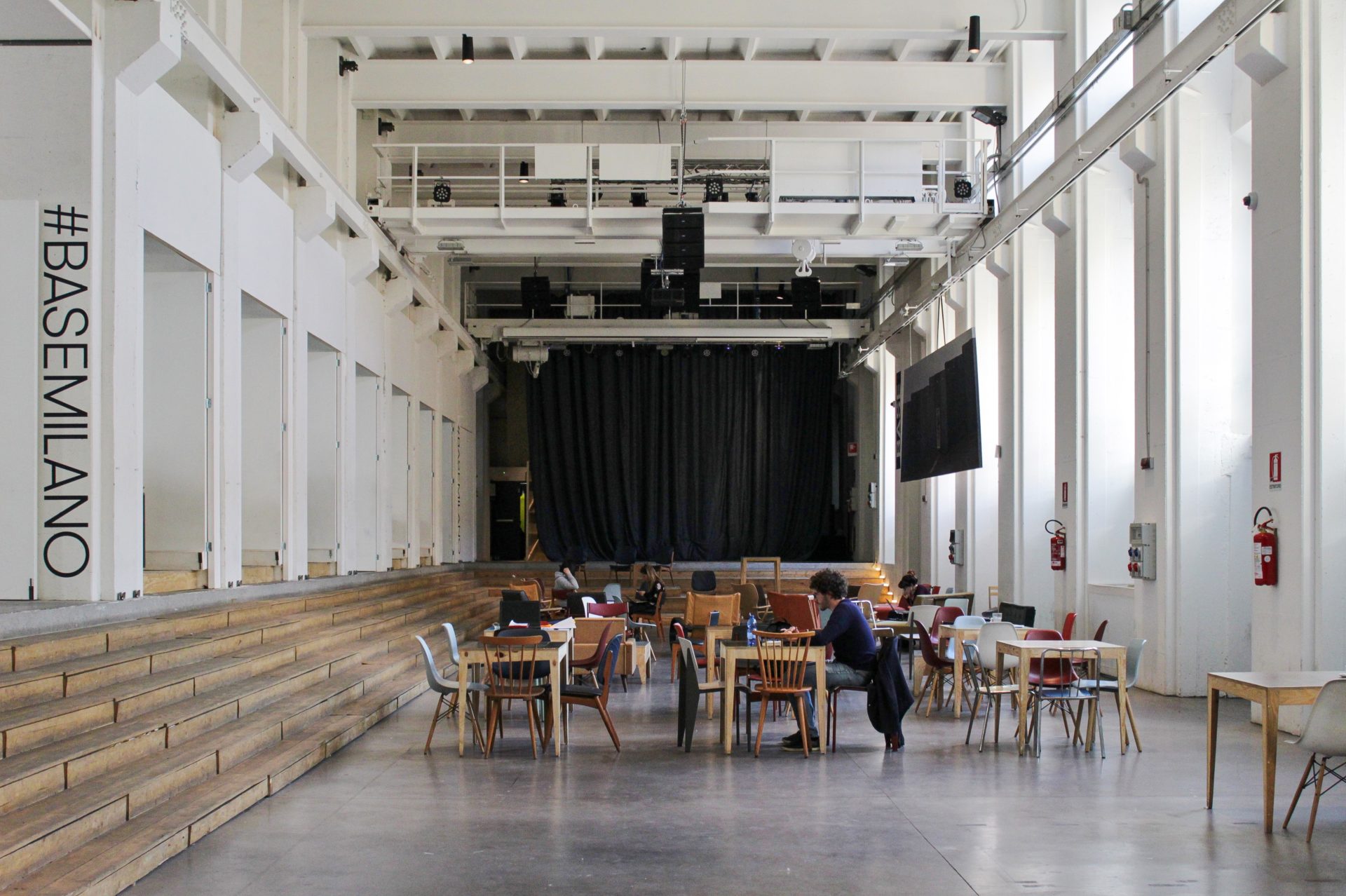
Here, the big cultural centres are often fascinating industrial archaeology monuments that are situated next to many neighbourhood stores, which offer a manifold and alternative trading business, together with the lively local markets. The big shopping retail chains, for those who love big brands, restaurants and both traditional and ethnic pubs are common too.
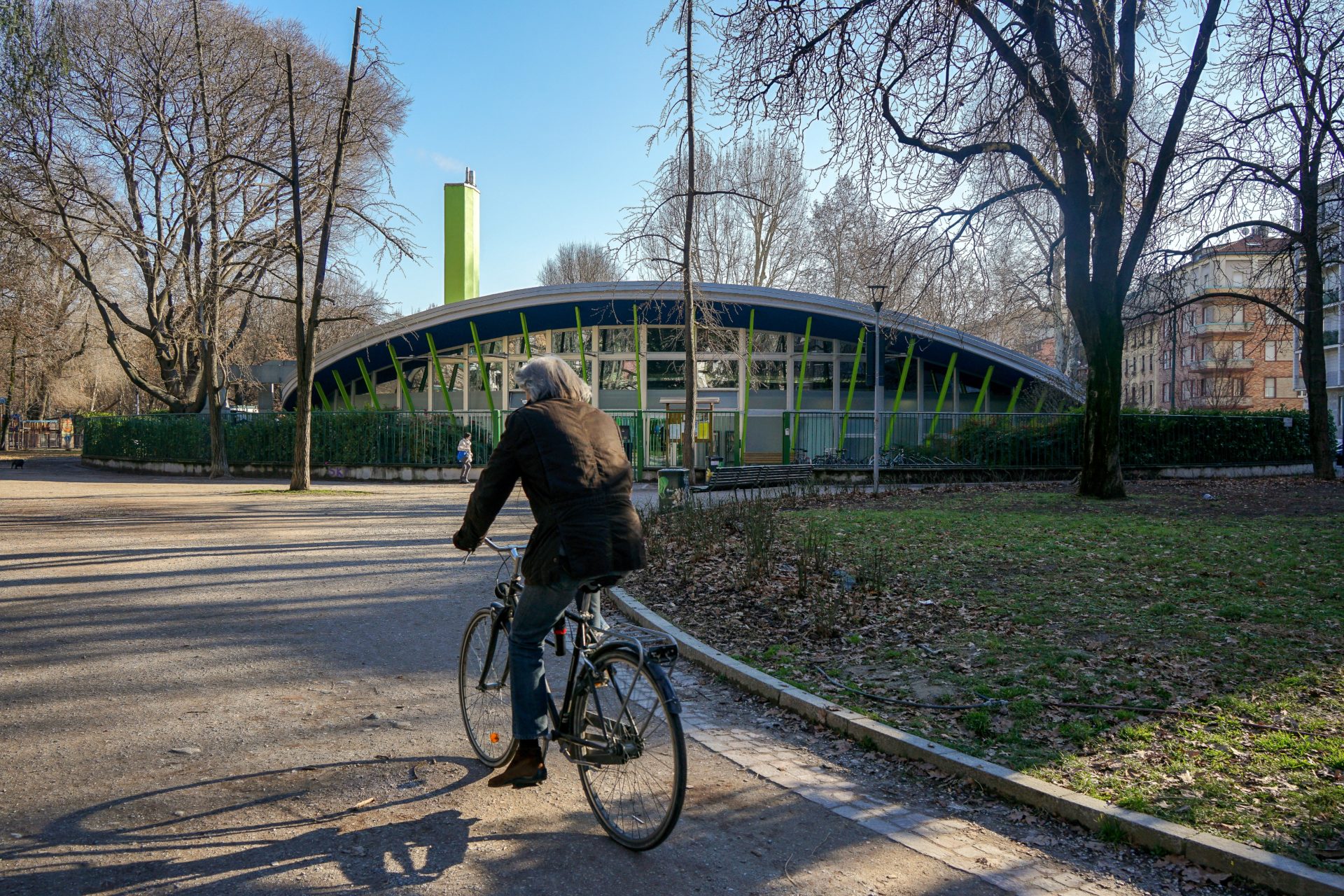
Lifestyle
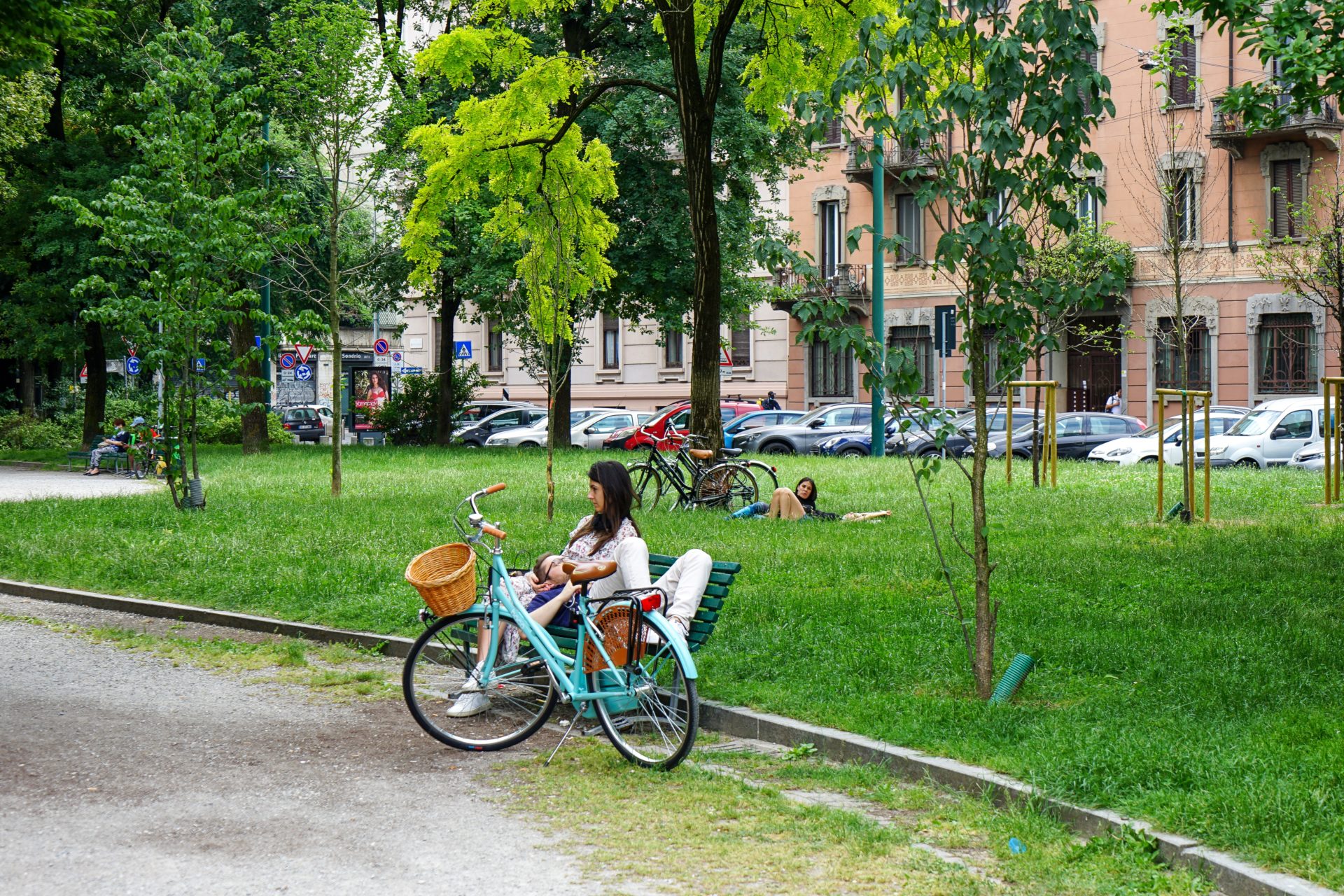
This area is particularly meant for those who are looking for a house close to all the conveniences, whether they are primary services or cultural attractions.
Here you can choose to live in large and flexible spaces to reinvent with creativity or in elegant residences where the atmosphere is calm.
If you appreciate the enthrallment of the redeveloped ex factories in order to dedicate yourself to going shopping in the renowned Vercelli Avenue, this area will enamour you.
What not to expect
This area is not meant for those who love living in hi-tech buildings with a futuristic style, next to big malls.
It can’t be appreciated by those who don’t care for cultural initiatives and going shopping in elegant and refined stores.
Real Estate market
The area provides a mainly residential real estate offer, including banister houses and those ex factories which have been transformed into both creativity places and modern residences.
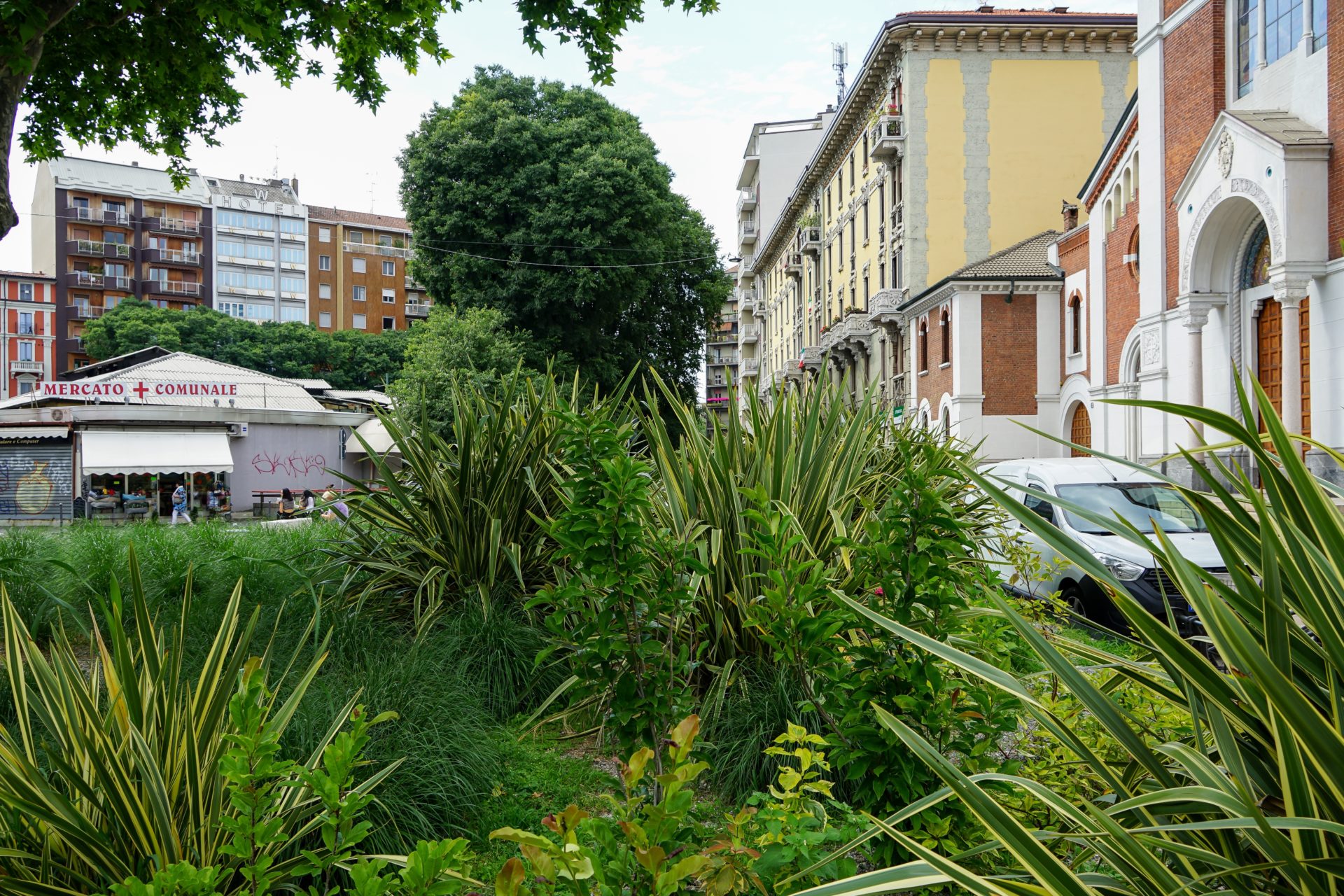
There are also villas with garden and impressive high-quality upper-middle class buildings, which were built between the ‘30s and ‘40s and alternate with other buildings, built during the post-war period.
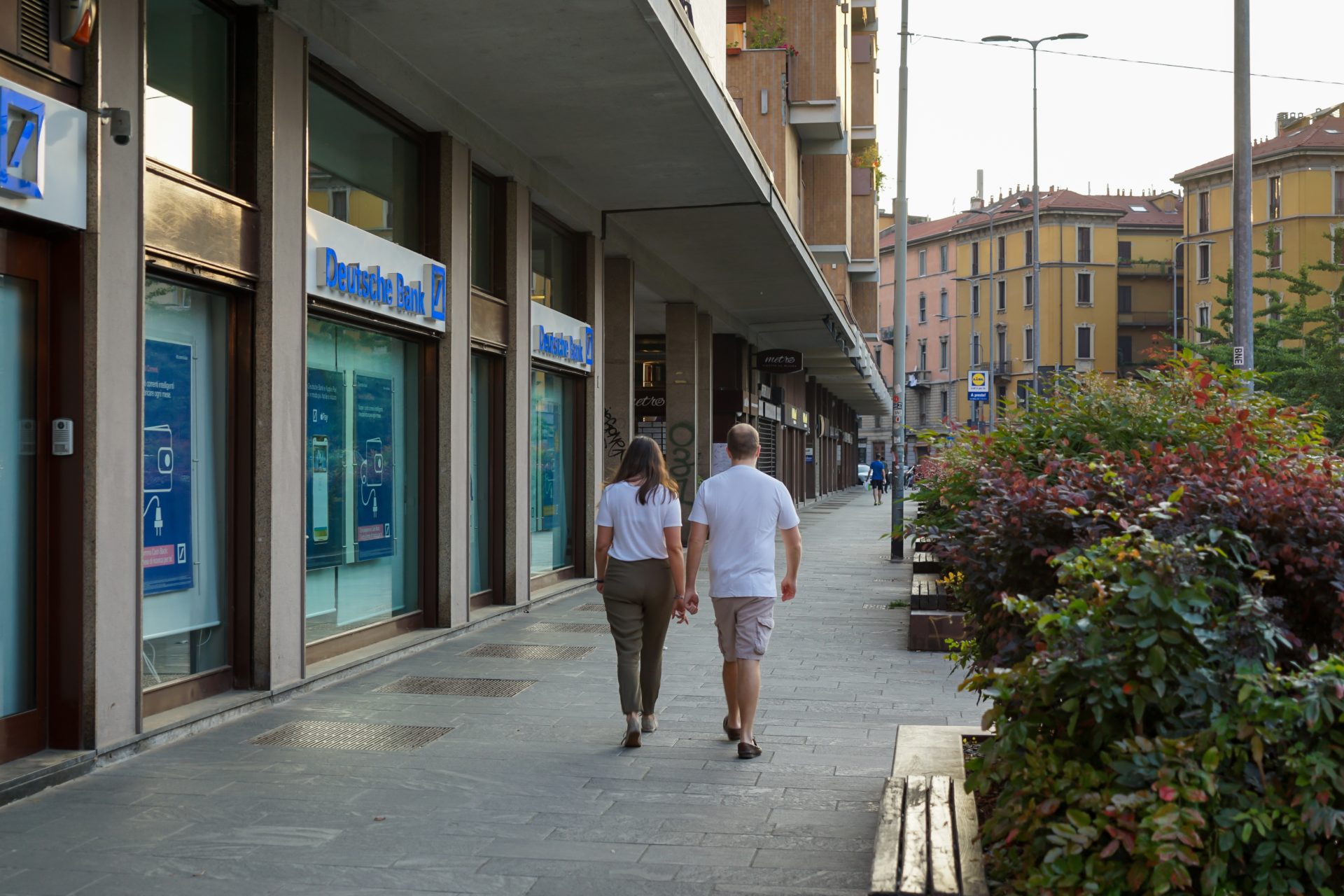
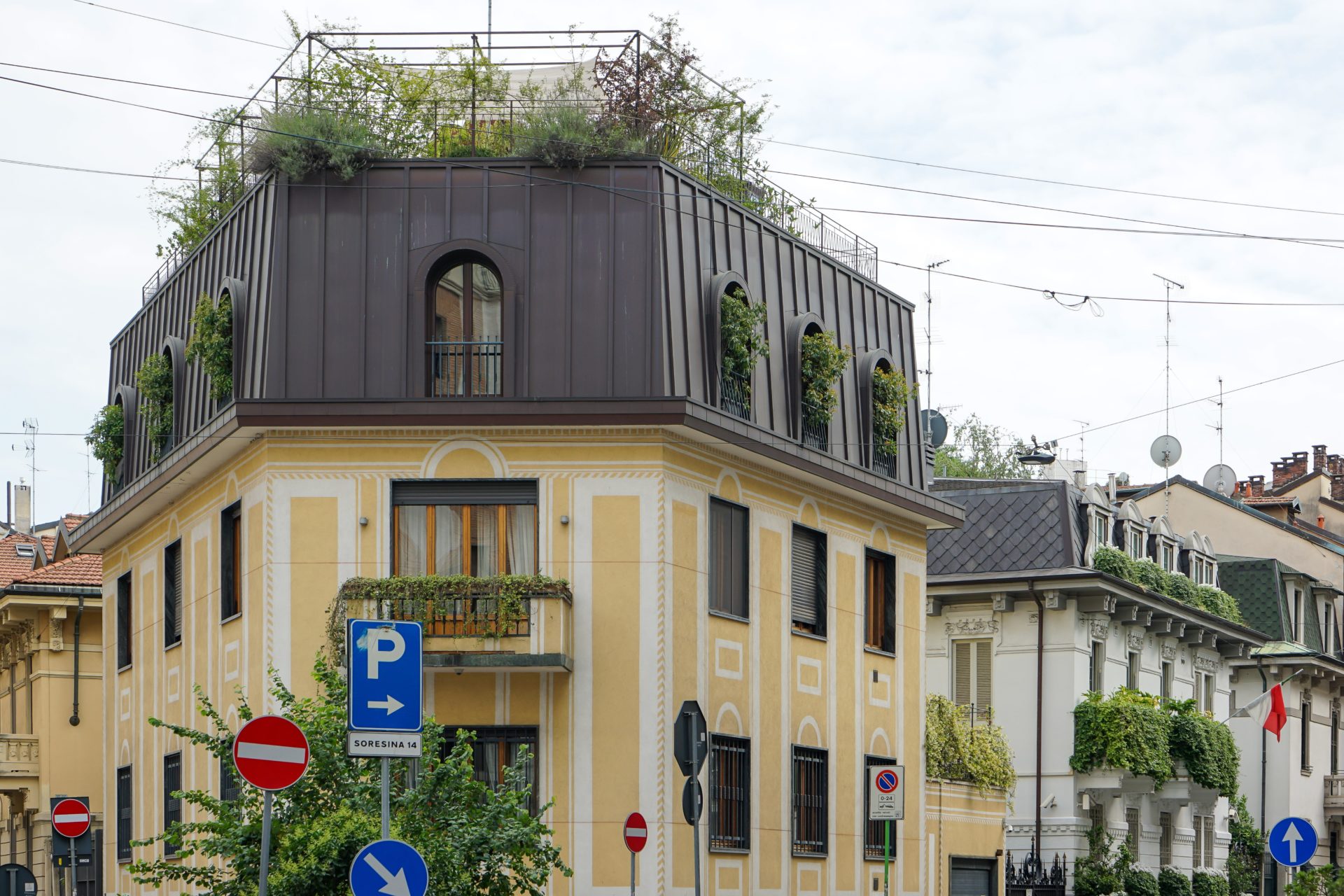
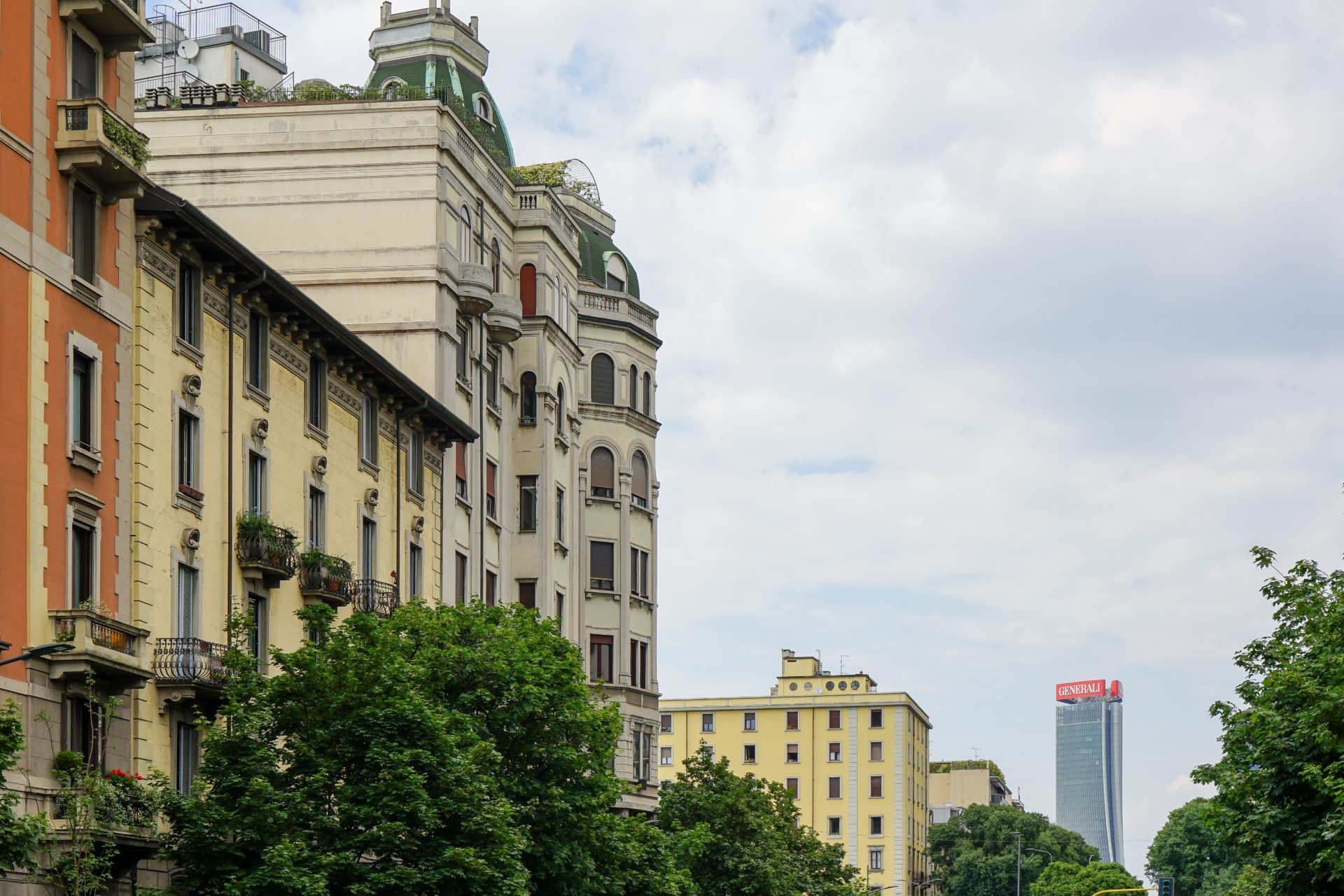
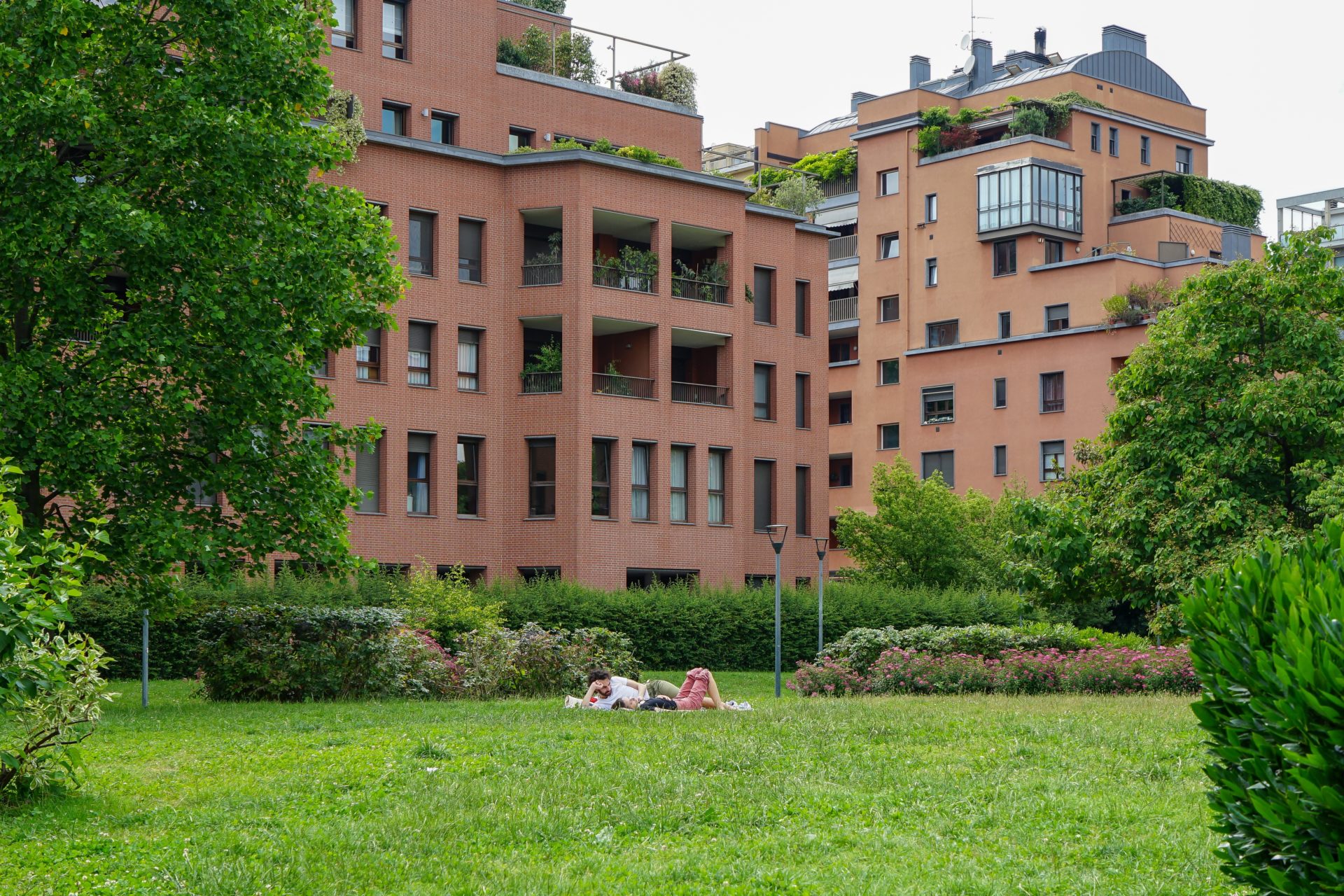
You are going to love…
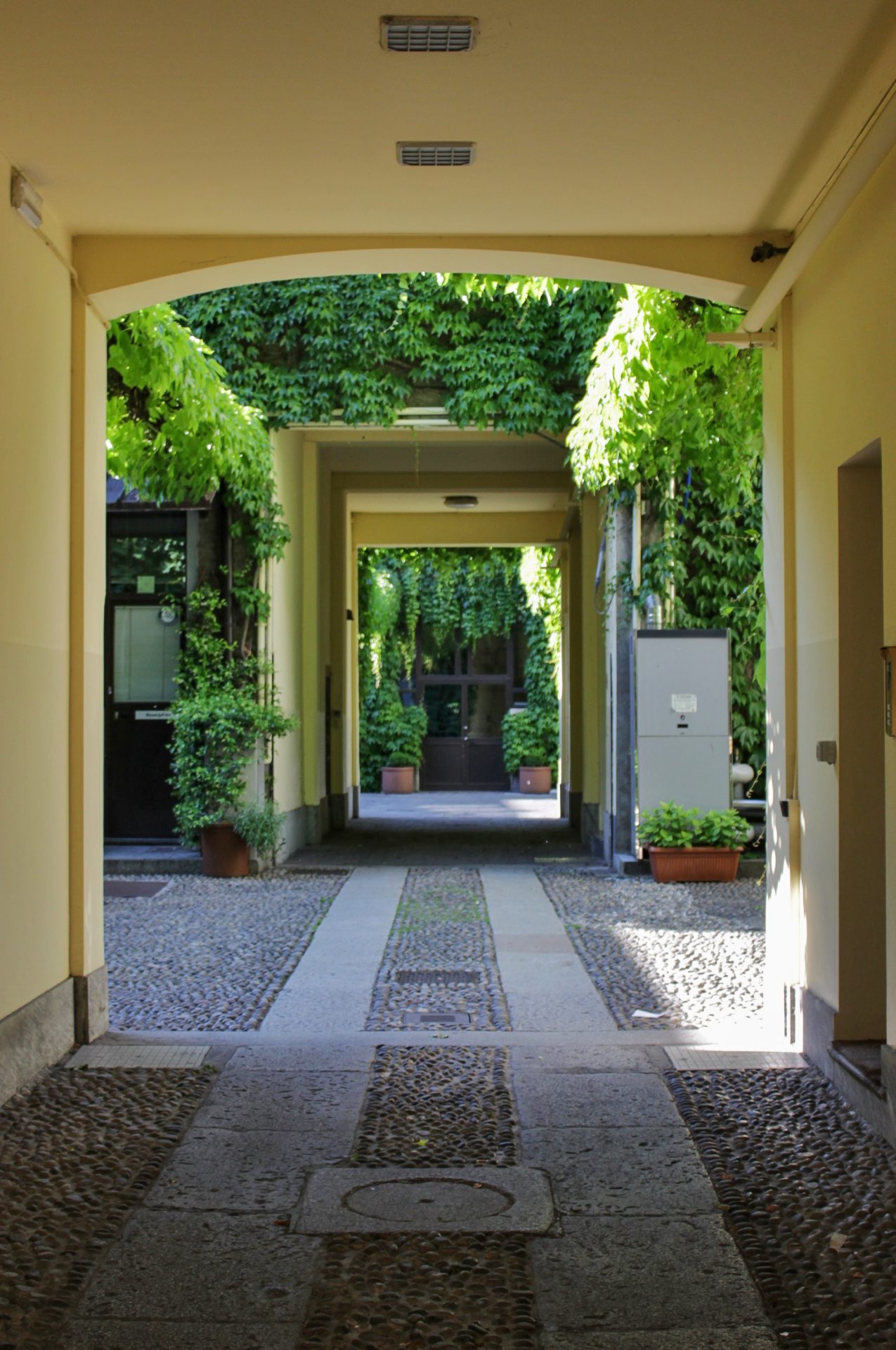
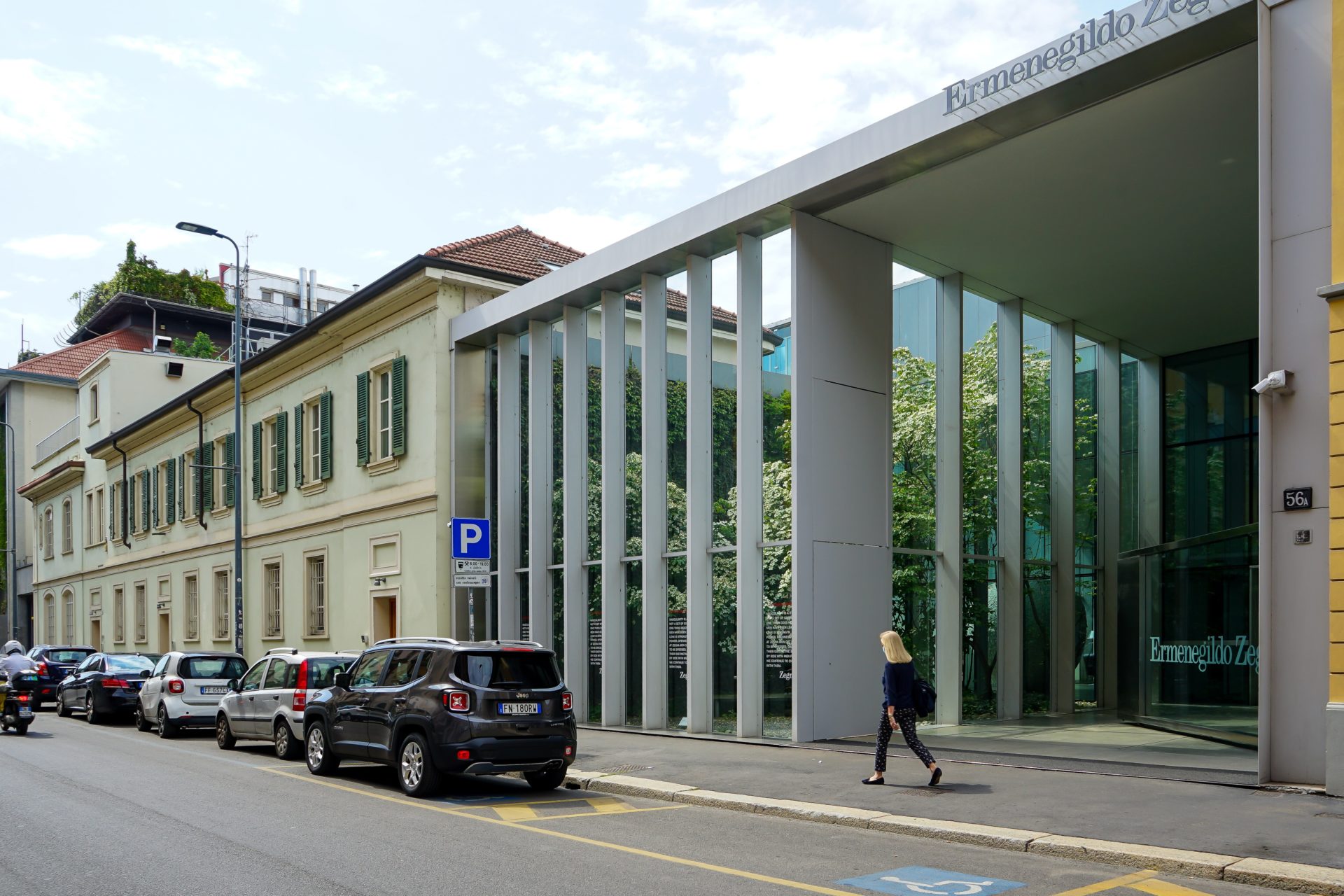
In this area you will love the peace and serenity, the Liberty elegance around Piazzale Baracca, the web between fashion and design industries, which can be seen in the redeveloped industrial spaces and in unexpected courtyards that open up from the old houses in Savona street.
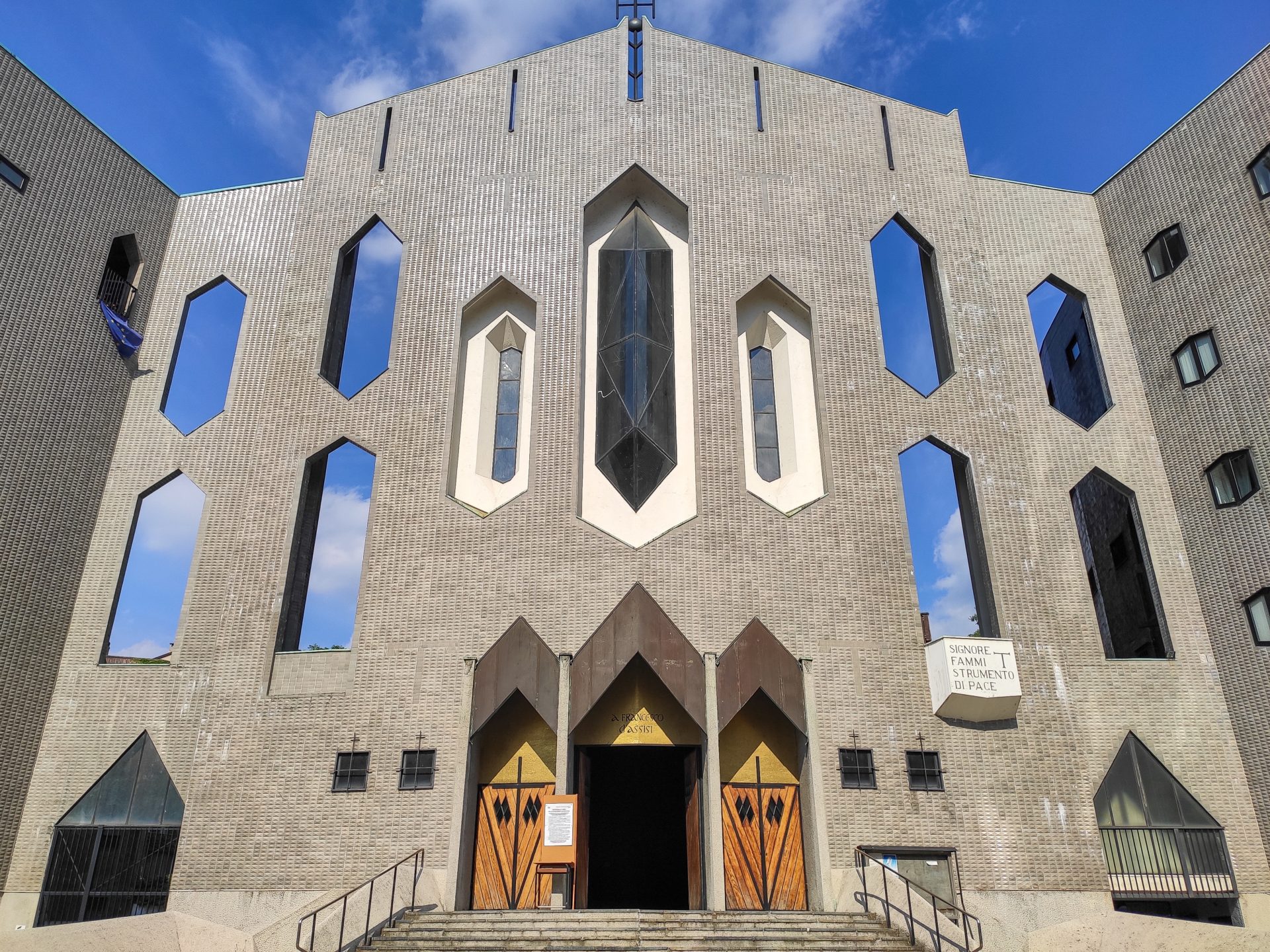
You will discover the Fopponino corner and its church, close to the San Francesco d’Assisi church, designed by the famous architect Gio Ponti in 1964.
Behind the corner
The whole area is close to many points of interest, like the Santa Maria delle Grazie church, next to the Cenacolo and the Vigna of Leonardo, and the brand new CityLife district.
You can visit the Museo della Scienza e della Tecnologia passing through the historical Sant’Ambrogio church, and then relax walking along the Navigli and drink a spritzer in Darsena.